Show choir is a highly choreographed performance ensemble that combines choral singing with synchronized dance movements, theatrical staging, and elaborate costumes. Unlike traditional choir groups that focus solely on vocal performance, show choir integrates visual elements to create a complete entertainment experience. In 2026, over 1,400 high schools across the United States participate in show choir competitions, making it one of the fastest-growing performing arts activities for students.
What is the Meaning of Show Choir?
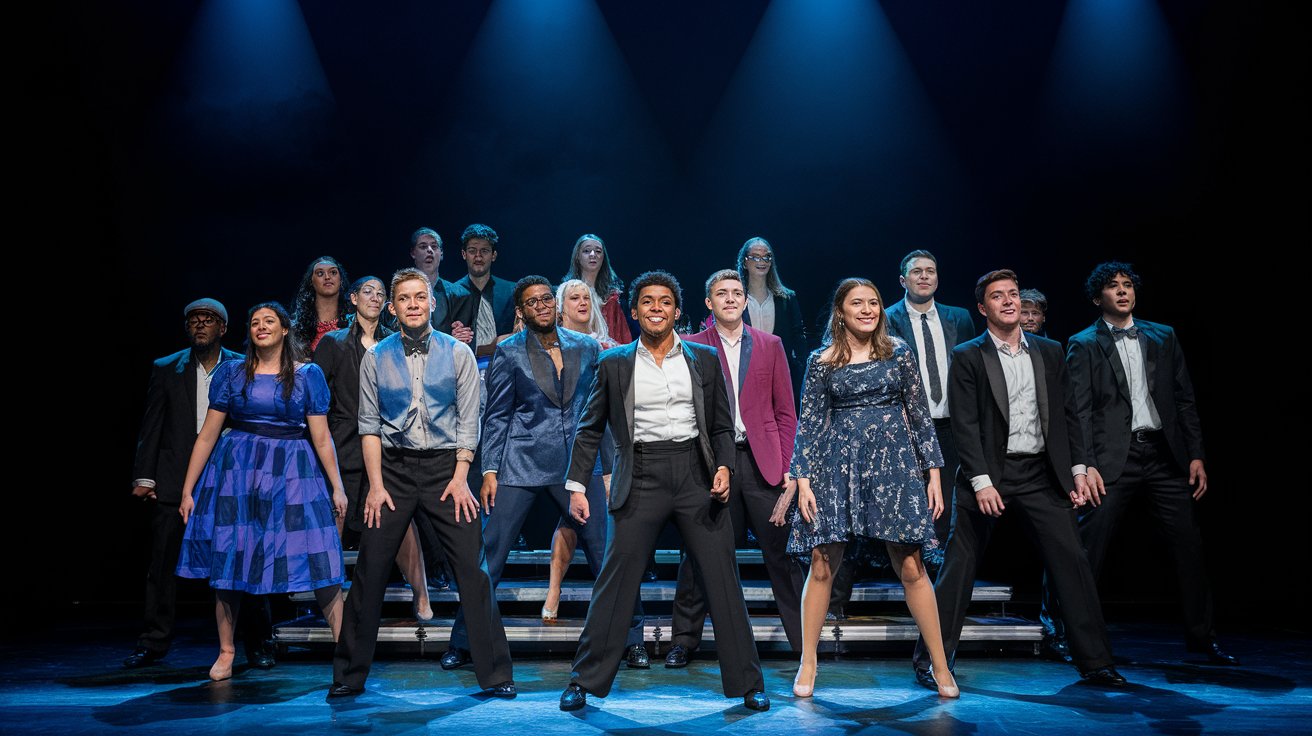
The meaning of show choir extends beyond simple vocal performance to encompass a complete theatrical production. At its core, show choir represents a fusion of choral music with Broadway-style choreography, where performers sing complex harmonies while executing synchronized dance routines. This art form emerged in the 1960s and has evolved into a competitive activity with national championships attracting thousands of participants annually. Each show choir typically consists of 30-60 members who perform 15-20 minute sets featuring multiple songs connected by a unifying theme or storyline.
The show choir experience demands triple-threat performers who can sing, dance, and act simultaneously. Unlike traditional concert choir settings where singers stand in formal rows, show choir members move continuously across the stage in formation patterns that enhance the visual storytelling. In 2026, the National Show Choir Foundation reports that show choir programs emphasize teamwork, discipline, and artistic expression while building skills applicable to professional entertainment careers. Many Broadway performers, recording artists, and entertainment professionals credit their show choir background as foundational training.
Show Choir vs Choir: Key Differences
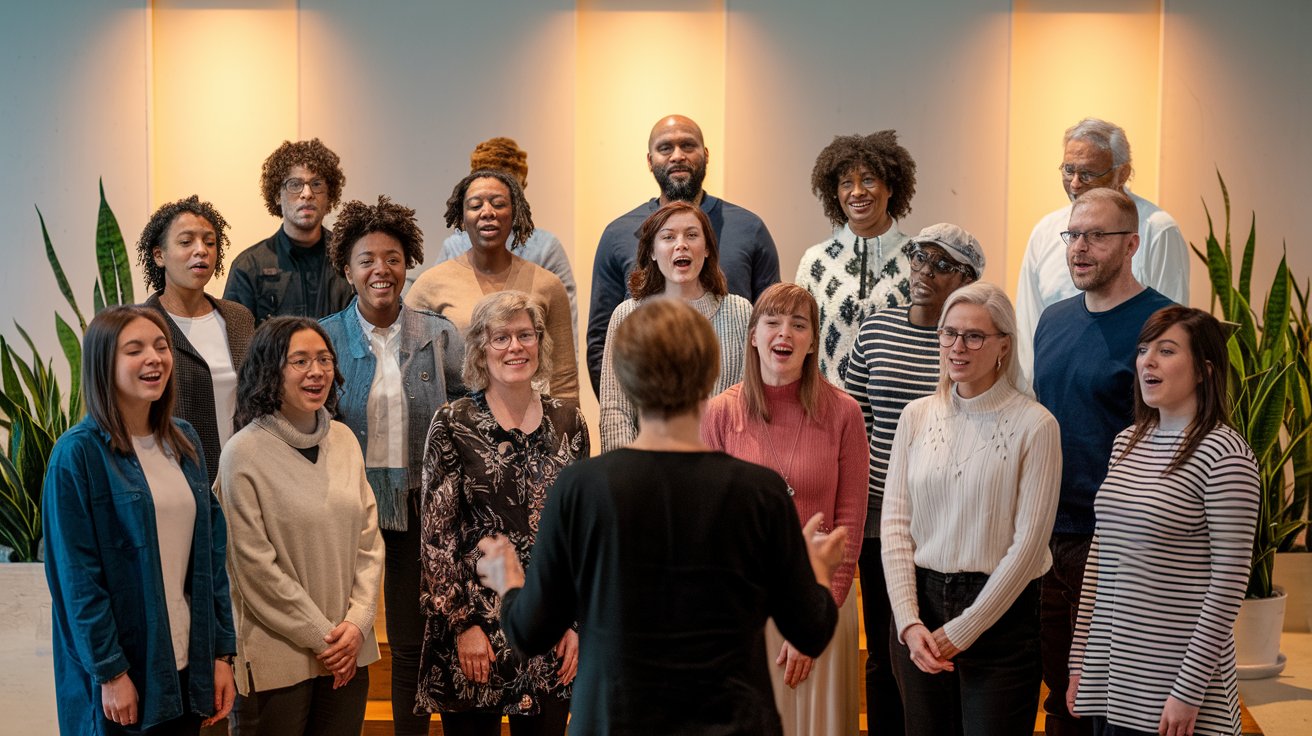
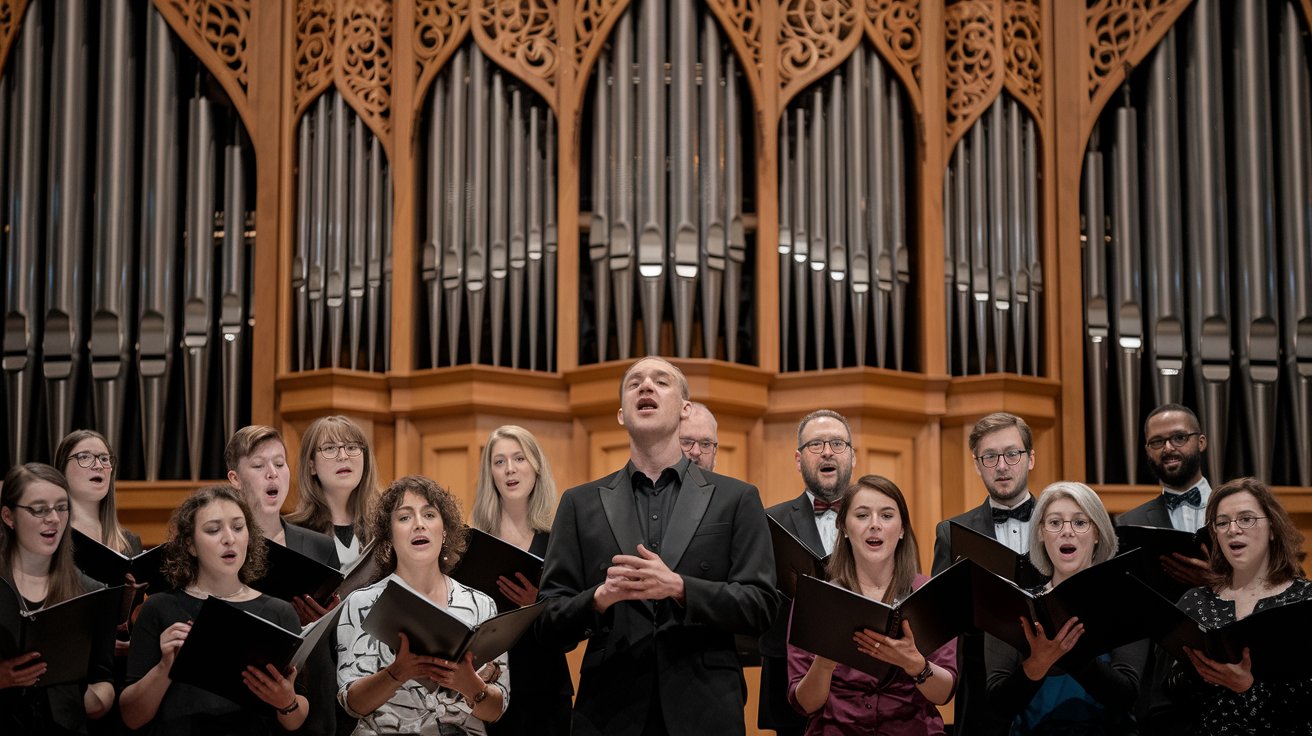
Understanding show choir vs choir differences helps clarify what makes this performance style unique. Traditional choir focuses exclusively on vocal excellence, with singers typically standing stationary in formal concert dress while performing classical, sacred, or contemporary choral literature. In contrast, show choir prioritizes the integration of movement, staging, and visual presentation alongside vocal performance. The repertoire differs significantly, with show choir groups performing popular music, show tunes, and contemporary arrangements rather than traditional choral works.
The rehearsal structure also distinguishes show choir vs choir programs. Traditional choir members spend rehearsal time refining vocal technique, blend, and musical interpretation. Show choir participants divide rehearsal between vocal practice, choreography learning, and staging rehearsals that coordinate all performance elements. Most show choir programs require 8-12 hours of weekly rehearsal compared to 3-5 hours for traditional choir. Additionally, show choir competitions involve adjudication across multiple categories including vocals, choreography, show design, and overall effect, while traditional choir festivals focus solely on musical achievement.
What is Show Choir in High School?
Show choir in high school represents one of the most demanding yet rewarding extracurricular activities available to students. High school show choir programs operate as competitive performance ensembles that travel to regional and national competitions throughout the academic year. Typical high school show choir seasons run from September through April, with groups attending 5-8 competitions where they compete against schools in similar enrollment divisions. These programs require significant commitment, with members attending after-school rehearsals, weekend practices, and multi-day competition trips.
The structure of show choir in high school typically includes a varsity mixed ensemble as the premier group, along with prep groups, women’s ensembles, and smaller specialty groups. Membership in competitive high school show choir often requires auditions demonstrating singing ability, dance aptitude, and performance quality. Many programs charge participation fees ranging from $800-$2,500 annually to cover costume expenses, competition entry fees, choreographer costs, and travel expenses. In 2026, states with the strongest high school show choir traditions include Iowa, Indiana, Illinois, Ohio, California, and Wisconsin, though programs now exist in 47 states.
Is Show Choir Like Glee?
Many people ask is show choir like Glee after watching the popular television series that aired from 2009-2015. While the TV show Glee brought national attention to show choir culture and accurately portrayed some aspects of competitive show choir, significant differences exist between the fictional representation and actual show choir programs. Real show choir competitions emphasize precise choreography, vocal blend, and unified staging rather than the solo-heavy performances featured on Glee. Authentic show choir sets prioritize ensemble cohesion where individual voices blend seamlessly rather than showcasing individual talent.
The Glee television series did accurately capture the competitive nature of show choir, the dedication required from participants, and the emotional bonds formed within ensembles. However, actual show choir competitions feature more structured performance formats, stricter time limits (typically 20 minutes maximum), and judging criteria that heavily weight technical execution. The TV show Glee also compressed competition timelines and exaggerated interpersonal drama for entertainment purposes. Despite these differences, Glee positively impacted real show choir programs by increasing participation nationwide. The National Show Choir Foundation reported a 34% increase in new show choir programs established between 2010-2015, partially attributable to Glee‘s popularity and cultural influence.
What is Show Choir Competition Format?
Show choir competition events follow standardized formats that allow groups to showcase their performances before expert judges. A typical show choir competition day begins with preliminary rounds where all attending groups perform their complete 15-20 minute sets in a predetermined order. Judges evaluate each performance across multiple categories including vocal production, choreography execution, show design, visual effect, and overall entertainment value. After preliminary performances conclude, judges deliberate to select finalists, typically the top 5-8 groups, who advance to evening finals where they perform again for awards consideration.
Modern show choir competition judging panels consist of 5-9 experts specializing in different performance aspects. Vocal judges assess tone quality, blend, intonation, and musical interpretation. Choreography judges evaluate movement precision, difficulty, creativity, and integration with music. Visual judges examine staging concepts, costume design, and overall theatrical impact. Each judge provides written feedback and numerical scores that combine to determine rankings. The competition culminates with an awards ceremony recognizing achievements in specific categories plus overall placement rankings. In 2026, major national competitions include FAME Events, ShowChoir Nationals, and regional championships that attract 30-50 groups per event with total attendance exceeding 5,000 spectators.
Show Choir vs Musical Theater Productions
The comparison of show choir vs musical theater reveals both similarities and distinct differences in performance format and artistic goals. Both art forms combine singing, dancing, and acting to create entertaining theatrical experiences. However, musical productions tell complete narrative stories through dialogue, songs, and scenes that advance plot development. In contrast, show choir presents themed song collections without extensive dialogue or character-driven storytelling. Show choir performances emphasize the ensemble as a unified entity, while musicals feature defined character roles with principal actors, supporting cast, and ensemble members.
Production timelines also differentiate show choir vs musical experiences. School musical productions typically rehearse for 8-12 weeks before performing 4-8 shows for audiences. Show choir groups rehearse year-round and perform their competition set 10-20 times at different venues throughout the season. The performance space differs significantly: musicals utilize full stage facilities with sets, props, and technical elements, while show choir performs on platforms with limited staging elements that travel efficiently between competition venues. Despite differences, many students participate in both activities, with skills from each discipline enhancing the other. Theater training improves show choir members’ facial expressions and storytelling, while show choir dance training benefits musical choreography execution.
Is Show Choir Considered Theater?
The question is show choir considered theater generates debate within performing arts communities, with valid arguments supporting both perspectives. Show choir incorporates fundamental theater elements including costume design, stage blocking, lighting design, facial expressions, and character portrayal through movement. Many show choir programs operate under school theater departments and share rehearsal spaces, costume resources, and technical staff with drama productions. The theatrical staging concepts in competitive show choir have grown increasingly sophisticated, with groups employing professional set designers, lighting directors, and costume coordinators to create Broadway-caliber visual presentations.
However, show choir differs from traditional theater in several significant ways that complicate this classification. Unlike theater productions featuring individualized characters with distinct personalities and story arcs, show choir members function as a collective ensemble without assuming specific character identities throughout performances. The focus remains predominantly on musical and choreographic execution rather than dramatic interpretation. Additionally, show choir competitions judge technical proficiency in singing and dancing as primary criteria, with theatrical elements serving as enhancement rather than foundation. In 2026, many performing arts educators classify show choir as a hybrid discipline combining choral music, dance, and theater rather than fitting exclusively within any single category.
Is Show Choir Still a Thing in 2026?
For those wondering is show choir still a thing, the answer is definitively yes, with participation actually growing in recent years. In 2026, approximately 1,400 high schools and 200 middle schools across the United States maintain active show choir programs, representing a 12% increase since 2020. The activity has expanded beyond traditional Midwest strongholds to establish robust programs in Southern and Western states. National competitions now stream performances online, with major events attracting 50,000-100,000 virtual viewers alongside in-person audiences. The digital expansion has increased show choir visibility and accessibility for communities without local programs.
The evolution of show choir in 2026 reflects contemporary performance trends while maintaining traditional elements that defined the art form. Modern show choir arrangements incorporate current popular music alongside classic show tunes, with groups performing songs from artists like Olivia Rodrigo, Billie Eilish, and The Weeknd. Technology integration has expanded, with groups utilizing projection mapping, LED costume elements, and sophisticated sound design. The thing that makes show choir enduringly relevant is its combination of rigorous artistic training with accessible entertainment value. College scholarship opportunities specifically for show choir participants have increased 28% since 2020, with universities recognizing the discipline, teamwork, and performance skills developed through competitive show choir participation.
Show Choir vs Glee Club Distinctions
Understanding show choir vs Glee club differences requires examining the historical evolution of these related but distinct organizations. Traditionally, a Glee club referred to a vocal ensemble performing short, secular songs in an informal style, with the term originating from 18th-century England. In American educational settings, Glee club became synonymous with mixed chorus groups performing a varied repertoire without choreography. Modern Glee clubs typically emphasize vocal performance exclusively, with minimal staging beyond basic concert formations and no significant dance elements integrated into performances.
Show choir emerged as a distinct art form in the 1960s-1970s when directors began incorporating choreographed movement into choral performances. While some schools use Glee club terminology interchangeably with show choir, particularly after the television series popularized the term, technical distinctions remain important. True Glee club programs focus on musical excellence without the demanding choreographic component central to show choir. The rehearsal time commitment differs substantially: Glee club members typically rehearse 3-4 hours weekly, while competitive show choir programs require 10-15 hours. Both activities develop valuable musical skills, but show choir demands additional physical stamina and coordination that distinguishes it as a more comprehensive performance discipline.
Finding Show Choir Near Me: Program Accessibility
Students and families searching for show choir near me options have multiple resources to locate programs in their communities. The National Show Choir Foundation maintains an online directory listing active show choir programs searchable by state and city, currently featuring over 1,600 school and community groups. Local high school performing arts departments provide information about audition processes, rehearsal schedules, and participation requirements for their show choir programs. Many communities also offer show choir programs through parks and recreation departments, community theaters, and private performing arts studios that accept students from multiple schools.
When evaluating show choir near me opportunities, prospective members should consider program competitiveness, time commitment expectations, and financial requirements. Some show choir groups function as recreational ensembles with minimal competition travel, while others operate as elite competitive teams requiring extensive dedication. In 2026, community-based show choir programs have increased 23% to serve students whose schools lack programs or who want additional performance opportunities. Virtual show choir participation options have also emerged, with online groups meeting via video conferencing for vocal rehearsals and learning choreography through recorded tutorials. While not replacing in-person experiences, virtual show choir options provide access for geographically isolated students or those with scheduling constraints preventing traditional participation.
Show Choir in Canada and International Growth
Show Choir Canada has experienced remarkable growth over the past decade, with programs now established in Ontario, British Columbia, Alberta, and Quebec. Canadian show choir culture developed differently than American traditions, with many programs emphasizing artistic expression and ensemble unity over competitive rankings. Show Choir Canada groups often perform at community events, festivals, and showcases rather than focusing primarily on competitive circuits. However, several elite Canadian groups compete internationally at American competitions, with groups from Ontario consistently placing among top finalists at major events.
The international expansion of show choir beyond North America continues accelerating in 2026. Active programs now exist in the United Kingdom, Australia, Japan, and parts of Europe, each adapting the art form to local cultural contexts. International Show Choir competitions have emerged, with the World Show Choir Championship launching in 2024 to bring together groups from different countries. The global show choir community connects through social media platforms, with performance videos regularly garnering millions of views and inspiring new program development worldwide. This international growth demonstrates that show choir transcends cultural boundaries, offering universal appeal through its combination of music, movement, and theatrical storytelling.
Show Choir TV Show Impact on the Art Form
The show choir TV show phenomenon extends beyond just Glee to include various media representations that have shaped public perception of this performance art. In 2026, streaming platforms feature multiple show choir reality competitions and documentary series that showcase actual competitive groups. These programs provide authentic glimpses into the rehearsal process, competition preparation, and dedication required for excellence in show choir. Unlike fictional dramatizations, contemporary show choir TV show content emphasizes the technical and athletic demands while celebrating the artistry and emotional connections formed within ensembles.
The influence of show choir TV show media has produced both positive and challenging effects for actual programs. Positive impacts include increased visibility leading to higher participation rates, greater community support, and enhanced legitimacy as a serious performing art. Schools report that show choir recruitment improved significantly after television exposure, with audition numbers increasing 40-60% in many programs. However, media representations sometimes create unrealistic expectations about show choir culture, performance standards, and competitive dynamics. Directors must balance leveraging media interest to promote programs while educating participants and families about authentic show choir experiences that differ from entertainment-focused portrayals. The ongoing media presence ensures show choir remains culturally relevant and accessible to new generations of potential participants.
Related video about what is show choir
This video complements the article information with a practical visual demonstration.
Questions & Answers
Is show choir like Glee?
Show choir shares some similarities with the TV show Glee, including competitive aspects and the combination of singing and dancing, but significant differences exist. Real show choir emphasizes ensemble blend and precise choreography rather than solo performances. Actual competitions follow stricter time limits, technical judging criteria, and performance formats than the fictional show portrayed. While Glee increased awareness and participation in show choir nationally, authentic programs focus more on unified staging and collective achievement rather than individual spotlight moments featured in the television series.
Is show choir still a thing in 2026?
Yes, show choir remains extremely active in 2026 with approximately 1,400 high schools and 200 middle schools maintaining programs across the United States. Participation has actually grown 12% since 2020, expanding beyond traditional Midwest regions into Southern and Western states. Major competitions now attract 30-50 groups per event with both in-person and streaming audiences exceeding 100,000 viewers. College scholarship opportunities for show choir participants have increased 28%, and international programs continue developing in Canada, Europe, Australia, and Asia, demonstrating the art form’s enduring relevance and global expansion.
What is the meaning of show choir?
The meaning of show choir encompasses a performance ensemble that combines choral singing with choreographed dance movements, theatrical staging, and visual presentation. Unlike traditional choirs that focus solely on vocals, show choir integrates movement and entertainment elements to create complete theatrical experiences. Groups typically consist of 30-60 members performing 15-20 minute sets featuring multiple songs connected by themes. This art form demands triple-threat performers who can simultaneously sing complex harmonies, execute synchronized choreography, and project theatrical character, representing a fusion of musical theater, concert choir, and dance disciplines.
Is show choir considered theater?
Show choir incorporates theatrical elements including costume design, staging, lighting, and character portrayal, leading many to classify it as a theater-adjacent discipline. However, it differs from traditional theater by functioning as an ensemble without individualized character development or narrative storytelling through dialogue. Most performing arts educators consider show choir a hybrid art form combining choral music, dance, and theater rather than fitting exclusively within any single category. Competition judging prioritizes technical execution in singing and choreography, with theatrical elements enhancing rather than defining the performance, distinguishing it from pure theater productions.
What is show choir in high school?
Show choir in high school operates as a competitive performance ensemble requiring significant student commitment throughout the academic year. Programs typically include varsity mixed groups, prep ensembles, and specialty teams that compete at 5-8 regional and national competitions annually. Participation requires 8-12 hours of weekly rehearsals combining vocal practice, choreography learning, and full staging rehearsals. Most programs charge annual fees of $800-$2,500 covering costumes, competition entries, choreographers, and travel. Membership often requires auditions demonstrating singing ability and dance aptitude, with seasons running September through April across 47 states in 2026.
How does show choir differ from regular choir?
Show choir differs from regular choir primarily through the integration of choreographed movement, theatrical staging, and visual presentation alongside vocal performance. Traditional choir focuses exclusively on musical excellence with stationary singers in formal concert dress performing classical or contemporary choral literature. Show choir features continuous movement across stages in elaborate costumes while performing popular music and show tunes. Rehearsal structures differ significantly: traditional choir requires 3-5 weekly hours for vocal development, while show choir demands 8-12 hours covering vocals, choreography, and staging. Competition judging evaluates multiple categories including choreography and visual effect beyond just vocal achievement.
| Show Choir Aspect | Key Characteristics | Benefits for Participants |
|---|---|---|
| Performance Format | 15-20 minute sets combining vocals, choreography, and theatrical staging with 30-60 member ensembles | Develops triple-threat skills in singing, dancing, and acting applicable to professional entertainment |
| Time Commitment | 8-12 hours weekly rehearsals plus 5-8 competition weekends during September-April season | Builds discipline, time management, and dedication transferable to academic and career success |
| Competition Structure | Preliminary and finals rounds judged across vocals, choreography, visual effect, and show design categories | Teaches goal-setting, handling pressure, and receiving constructive feedback for continuous improvement |
| Artistic Requirements | Complex harmonies, synchronized choreography, costume coordination, and thematic staging concepts | Enhances creativity, artistic expression, physical fitness, and collaborative teamwork abilities |
| Program Growth | 1,400+ US high schools with 12% participation increase since 2020, expanding internationally | Provides networking opportunities, college scholarships, and connection to growing global performance community |