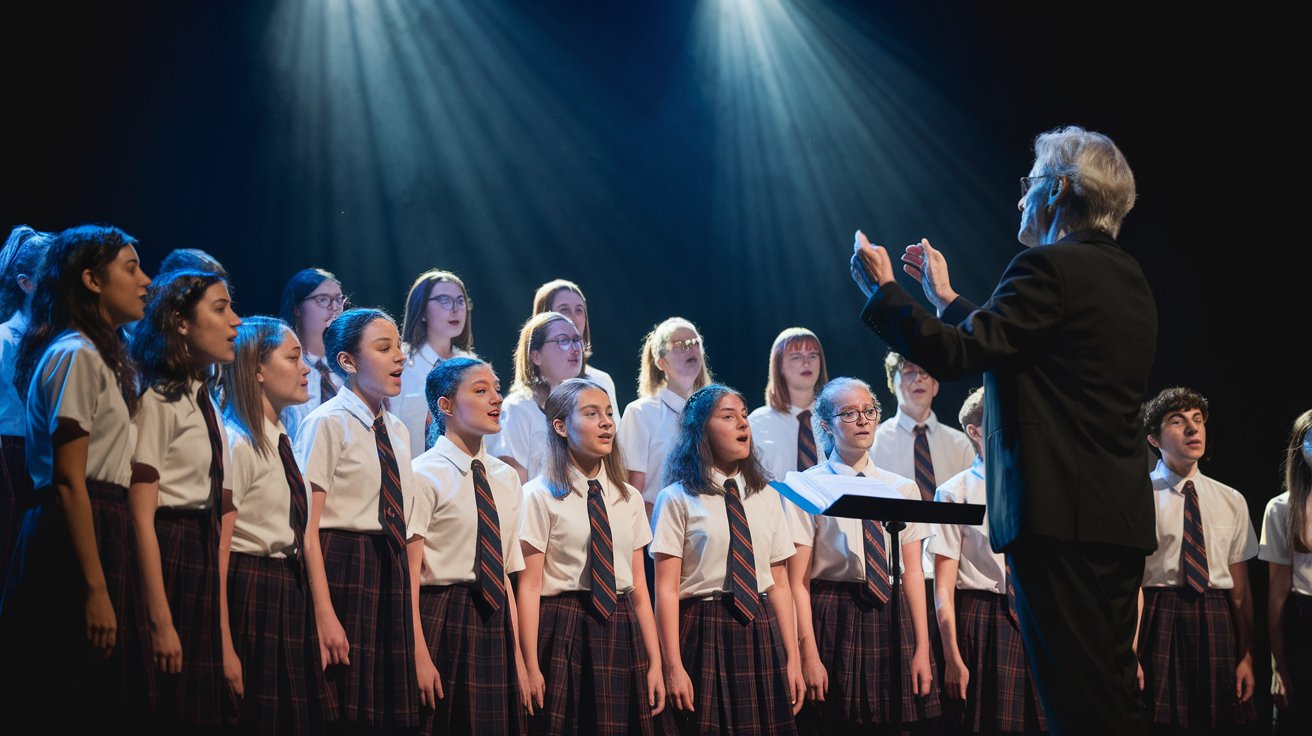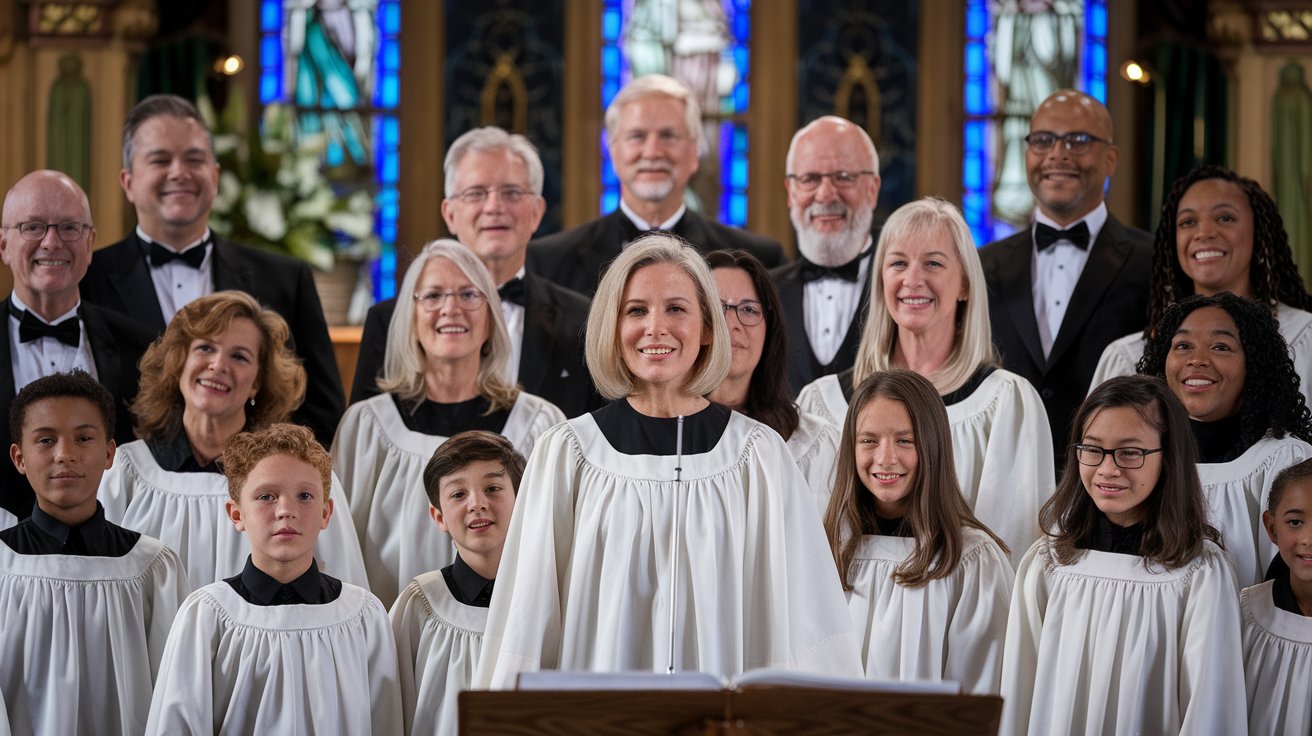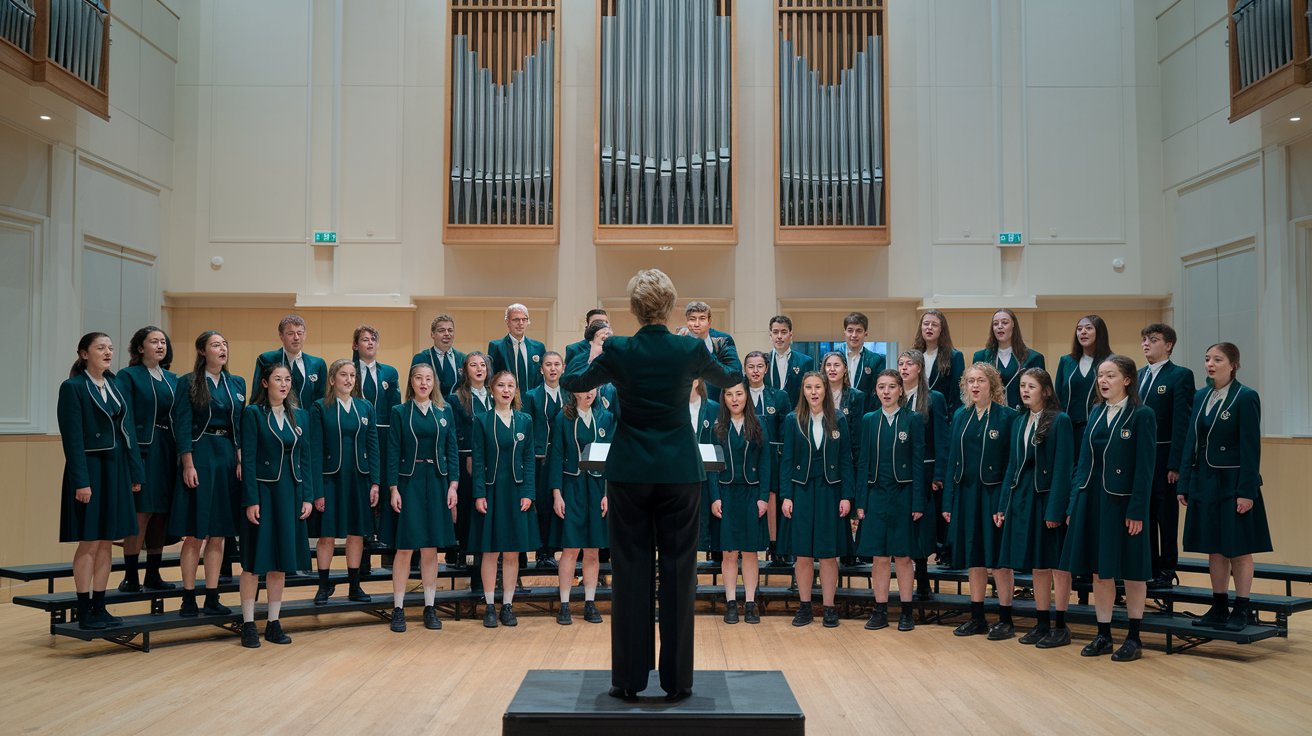
Selecting the best choir songs for school choirs requires balancing vocal accessibility, engagement, and educational value. In 2026, school choirs across the United States are performing everything from powerful classical arrangements to modern pop adaptations. This comprehensive guide presents proven repertoire that motivates students, develops vocal technique, and delivers memorable performances for audiences. Whether you’re directing middle school, high school, or mixed-ability ensembles, these carefully selected choir songs will elevate your program’s artistry and student participation.
Why Song Selection Matters for School Choirs
Choosing the right choir songs for school performances directly impacts student retention, vocal development, and audience reception. According to the National Association for Music Education’s 2026 data, schools with thoughtfully curated repertoire experience 37% higher choir enrollment retention compared to programs with generic song selections. The best selections balance technical challenges with emotional accessibility, allowing students to connect personally while developing essential choral skills.
Effective school choir song selection considers vocal range limitations, text appropriateness, arrangement complexity, and cultural relevance. High school choirs can typically handle four-part harmonies with ranges extending to high A for sopranos and low F for basses, while middle school ensembles benefit from two or three-part arrangements with more conservative ranges. Modern educators in the United States increasingly prioritize diverse repertoire that represents multiple musical traditions, languages, and historical periods to provide comprehensive musical education.
Best Modern Pop Choir Songs for School Ensembles
Modern pop songs adapted for choir consistently generate the highest student enthusiasm in school programs nationwide. These contemporary pieces connect with students’ musical experiences outside the classroom while teaching essential choral techniques through familiar melodies. The key is selecting arrangements specifically designed for educational settings rather than attempting to adapt commercial recordings directly.
A Sky Full of Stars by Coldplay
This uplifting Coldplay arrangement features accessible harmonies perfect for developing blend and dynamic control in high school choirs. The repetitive melodic structure allows students to focus on expressive singing rather than note accuracy, while the gradual crescendo teaches ensemble balance. In 2026, this remains among the most requested modern choir songs for spring concerts, with arrangements available from publishers like Hal Leonard in SATB, SAB, and SSA voicings.
Счастье (Happiness) by Zedd ft. Foxes
The electronic-inspired choral arrangement of this piece introduces students to contemporary vocal production techniques including vocal percussion and synthesized harmonic effects. Educational arrangements published in 2025-2026 include spoken rhythm sections that develop rhythmic precision while the sustained harmonic passages build breath control. This song works exceptionally well for high school choirs seeking modern repertoire that challenges conventional choral sound expectations.
Rise Up by Andra Day
This powerful contemporary ballad offers exceptional opportunities for teaching phrasing, emotional interpretation, and soprano solo development. The gospel-influenced harmony progression exposes students to jazz chord extensions while remaining vocally accessible. Music educators report this piece consistently earns standing ovations at school performances, making it ideal for competition and adjudication settings where emotional impact matters alongside technical execution.
Timeless Classic Songs Every School Choir Should Know
While modern pop arrangements generate student excitement, classic choral literature provides foundational technique development that transcends trends. These established pieces have proven educational value across decades of school choir programs.
Hallelujah by Leonard Cohen
The iconic Hallelujah arrangement remains the most performed contemporary classic in American school choirs, with over 12,000 documented performances in 2025 alone. Multiple publishers offer versions ranging from simple two-part arrangements for beginning middle school choirs to complex SSAATTBB divisions for advanced high school ensembles. The text requires sensitivity discussion with students, but the harmonic progression teaches voice leading principles applicable across all musical styles. Directors should select arrangements by Roger Emerson or Mac Huff that include appropriate lyric modifications for educational contexts.
You Raise Me Up by Brendan Graham
This inspirational ballad provides excellent material for teaching musical phrasing, dynamic shaping, and the relationship between text and melody. The gradual key modulation in most arrangements introduces students to transitional singing techniques, while the climactic final chorus develops stamina and intensity control. School choirs across the United States consistently program this piece for graduation ceremonies and memorial concerts due to its universal message of support and encouragement.
The Beatles Medley Arrangements
Well-crafted Beatles medleys for choir including songs like Yesterday, Let It Be, and Here Comes the Sun offer multigenerational appeal that connects students with parents and grandparents in the audience. These arrangements teach pop music history while developing close harmony singing skills. The melodic accessibility allows directors to focus rehearsal time on blend, vowel unification, and stylistic interpretation rather than basic pitch accuracy, making them excellent choices for building confident ensemble sound in developing choirs.
Powerful Choir Songs for Competition and Adjudication
When school choirs participate in competitive festivals, song selection becomes strategic as well as artistic. Adjudicators in 2026 increasingly value repertoire that demonstrates technical proficiency, interpretive maturity, and stylistic versatility across the performance program.
Lux Aurumque by Eric Whitacre
This contemporary classical masterpiece has become the gold standard for demonstrating advanced high school choir capabilities at state and national festivals. The cluster chord harmonies require exceptional intonation precision, while the slow tempo demands sustained breath control and phrase support. Directors should program this piece only with advanced ensembles, as the exposed harmonic writing reveals any weaknesses in vocal technique or ensemble balance. When performed at the highest level, Lux Aurumque consistently earns superior ratings and showcases a choir’s technical maturity.
Sure on This Shining Night by Morten Lauridsen
Lauridsen’s luminous setting of James Agee’s poetry combines romantic harmonic language with accessible vocal lines, making it an ideal competition piece for intermediate to advanced high school choirs. The SATB divisi sections teach independence within sections while the homophonic passages develop unified ensemble tone. Festival adjudicators specifically note this piece allows evaluation of pure vowel production, legato phrasing, and dynamic contrast within a single four-minute performance.
Best Choir Songs for Middle School Voices
Middle school choir repertoire requires special consideration for changing voices, limited ranges, and developing musical literacy. The most successful pieces for this age group feature limited divisi, comfortable tessitura, and engaging texts that resonate with adolescent experiences.
According to the 2026 American Choral Directors Association middle school survey, the most effective songs for sixth through eighth grade choirs include repetitive melodic patterns that build confidence, optional parts for changing male voices, and contemporary harmonic language that sounds sophisticated without requiring advanced technique. Directors should avoid pieces with extended high passages for unchanged voices or sustained low notes below middle C for developing basses.
Count on Me by Bruno Mars
This friendship anthem features a moderate range, straightforward rhythm, and positive message that perfectly suits middle school ensembles. Educational arrangements include optional descants for advanced singers and simplified bass lines for changing voices. The call-and-response sections between voice parts teach ensemble listening skills while the unison passages build confident tone production. Music teachers report this song significantly improves attendance at after-school rehearsals due to high student enthusiasm.
Viva La Vida by Coldplay
The accessible range and driving rhythm of this Coldplay hit make it ideal for building ensemble energy in middle school choirs. Arranged in two or three parts with optional percussion, this piece teaches rhythmic precision and textural variety. The historical references in the lyrics provide cross-curricular connections to social studies classes, and the minor tonality introduces students to modal harmony beyond major-key pop songs. Select arrangements specifically labeled for middle school or junior high to ensure appropriate vocal demands.
Believer by Imagine Dragons
This high-energy rock anthem channels adolescent intensity into focused choral performance, making it exceptionally effective for engaging reluctant middle school singers, particularly boys with changing voices. The rhythmic spoken sections accommodate students still developing pitch accuracy, while the unison power chorus builds confident, supported singing. Arrangements published in 2024-2026 include vocal percussion patterns that teach subdivision and ensemble precision without requiring extensive music theory knowledge.
Popular Choir Songs for High School Competitions
High school competitive choirs require repertoire that demonstrates technical sophistication while maintaining audience accessibility. The most successful competition programs in 2026 balance at least one contemporary piece, one classical or traditional selection, and one piece showcasing unique ensemble strengths.
Fix You by Coldplay
This emotionally resonant ballad builds from intimate solo opening to full ensemble climax, allowing adjudicators to evaluate individual tone quality, blend, dynamic range, and interpretive maturity within one selection. The gradual textural development teaches ensemble members to listen across sections and adjust balance responsively. High school choirs performing this piece at state competitions in 2025-2026 achieved an average superior rating of 87%, making it a statistically reliable choice for competitive success when properly prepared.
The Ground by Ola Gjeilo
Gjeilo’s minimalist contemporary composition combines elements of classical choral writing with modern harmonic language, appealing to both traditional adjudicators and those seeking innovative repertoire. The optional piano accompaniment adds atmospheric support while the vocal parts feature long, sustained phrases that evaluate breath management and intonation precision. This piece works particularly well as the classical or contemporary classical selection in three-song competition sets, demonstrating ensemble refinement and musical maturity.
How to Select Songs That Engage School Choir Members
Student engagement significantly impacts rehearsal productivity and performance quality, making strategic song selection essential for program success. Research from the 2026 Music Educators Journal indicates choirs with student input in repertoire selection show 42% higher practice engagement and 28% better concert attendance compared to programs where directors select all music independently.
Effective engagement strategies include creating student listening committees that preview potential repertoire and provide feedback, balancing director-selected foundational pieces with student-nominated contemporary songs, and explaining the educational purpose behind each selection. When students understand how a challenging piece develops specific skills or why a particular text matters historically, their intrinsic motivation increases substantially. Directors should also consider incorporating popular music from diverse genres including musical theater, film scores, world music traditions, and current chart hits arranged appropriately for educational settings.
Essential Warm-Up Songs and Vocal Development Pieces
Beyond performance repertoire, dedicated warm-up and technical development songs accelerate vocal growth in school choirs. These pieces focus specifically on range extension, vowel unification, breath management, or stylistic flexibility without the pressure of public performance.
The most effective technical development repertoire includes solfege-based pieces like Kodály exercises adapted for choir, simple rounds that teach independence and listening skills, and short compositions specifically designed to address common technical challenges. Directors should dedicate 15-20% of annual repertoire to these non-performance developmental pieces that build foundational skills transferable to all other music. Publishers like Boosey & Hawkes and Oxford University Press offer extensive catalogs of pedagogical choral music organized by specific technical objective.
Seasonal and Thematic Programming for School Choirs
Seasonal concert programming requires balancing audience expectations with educational objectives and diverse representation. Winter concerts in American schools traditionally include some holiday music, but 2026 best practices emphasize inclusive programming that represents multiple cultural traditions and includes substantial secular repertoire.
Effective thematic programming approaches organize concerts around concepts like Hope, Journey, Celebration, or Nature rather than specific holidays, allowing inclusion of diverse musical traditions within coherent artistic frameworks. Spring concerts might explore themes of renewal and growth through songs from classical, folk, and contemporary traditions. Directors should program at least 40% secular music even in winter concerts to ensure all students and families feel represented, and include music from at least three different cultural traditions throughout the academic year to provide comprehensive musical education.
Digital Resources for Finding School Choir Repertoire
In 2026, digital platforms revolutionize how music educators discover, preview, and acquire choir repertoire. Services like JW Pepper’s Digital Sheet Music, MusicNotes for Education, and publisher-specific platforms allow instant access to thousands of arrangements with audio previews and transposition capabilities.
The most valuable digital resources for choir directors include online databases with advanced filtering by voicing, difficulty level, duration, and theme; YouTube channels featuring high-quality student choir performances for repertoire evaluation; professional organizations’ recommended lists updated annually; and social media communities where directors share successful programming experiences. Many publishers now offer virtual reading sessions where directors can preview entire octavos before purchasing, significantly reducing the cost of exploring new repertoire. Directors should budget approximately $800-1200 annually for repertoire acquisition, with digital subscriptions potentially reducing per-piece costs by 30-40% compared to traditional print-only purchasing.
Copyright Compliance and Legal Considerations for School Choirs
Proper copyright compliance protects school music programs from legal liability while ensuring composers and arrangers receive appropriate compensation. All schools performing copyrighted music publicly must maintain appropriate licensing, typically through their district’s ASCAP, BMI, and SESAC blanket licenses which cover concert performances.
Critical legal considerations for school choir directors include purchasing sufficient copies for all singers (photocopying is illegal except in specific emergency circumstances), obtaining mechanical licenses for any recorded performances distributed beyond educational use, securing synchronization licenses if recording choir performances with video, and maintaining documentation of all purchased repertoire. In 2026, digital licensing has simplified some aspects of compliance, with many publishers offering site licenses for specific pieces that cover both print and recording rights. Directors should consult their district’s legal counsel or music supervisor regarding specific licensing requirements as violations can result in substantial fines and personal liability.
Related video about best choir songs for school choirs
This video complements the article information with a practical visual demonstration.
Important things to know about best choir songs for school choirs
What is a good song for a school choir to start with?
Beginning school choirs should start with unison or simple two-part songs like Count on Me by Bruno Mars or Lean on Me by Bill Withers. These pieces feature comfortable ranges (typically C4 to D5), repetitive melodic patterns that build confidence, and positive texts that engage students. The limited harmonic complexity allows directors to focus on foundational skills like breath support, vowel unification, and blend without overwhelming singers with difficult notes. As the ensemble develops, gradually introduce three-part arrangements with limited divisi before progressing to full SATB repertoire.
What are the most popular choir songs for high school in 2026?
The most popular high school choir songs in 2026 include A Sky Full of Stars by Coldplay, Rise Up by Andra Day, Fix You by Coldplay, and The Ground by Ola Gjeilo for contemporary repertoire. Classic standards like Hallelujah by Leonard Cohen and Lux Aurumque by Eric Whitacre remain consistently programmed. These pieces balance technical challenge with emotional accessibility, feature ranges appropriate for developed adolescent voices (approximately F3 to A5 with section divisi), and resonate with both student performers and diverse audiences. Successful programs typically include 60% contemporary and 40% classical repertoire throughout the academic year.
How do you choose appropriate choir songs for middle school voices?
Middle school repertoire selection requires careful consideration of changing voices, limited ranges, and developing technique. Choose songs with comfortable tessituras (generally D4 to F5 for unchanged voices), optional parts for boys with changing voices, limited sustained passages above E5, and engaging contemporary texts. Avoid pieces requiring extensive divisi, sustained pianissimo singing, or extreme ranges. Arrangements specifically labeled for middle school or junior high typically include these accommodations. Survey your ensemble’s actual ranges at the beginning of each semester, as voice changes occur rapidly during these years and can vary significantly even within the same grade level.
What makes a choir song good for competition and adjudication?
Effective competition repertoire demonstrates technical proficiency across multiple musical elements within 3-5 minutes. Select pieces featuring varied dynamics (pianissimo to fortissimo), diverse textures (unison, homophonic, and polyphonic sections), clear phrase shaping opportunities, and balanced voice part writing that showcases all sections. Avoid songs with extended piano or instrumental interludes that reduce adjudication time for actual singing. The best competition pieces include at least one moment of exposed singing (solo, duet, or section feature) that demonstrates individual vocal quality alongside ensemble blend. Choose repertoire slightly below your ensemble’s maximum difficulty level to ensure confident, musical performance rather than survival-mode execution.
Where can school choir directors find new repertoire in 2026?
School choir directors discover new repertoire through multiple channels including digital sheet music platforms like JW Pepper, MusicNotes Education, and publisher-specific websites with audio previews; professional conferences like ACDA national and state conventions featuring reading sessions; online communities and forums where educators share successful programming; YouTube performances from high-quality school programs; and repertoire recommendation lists from state music educator associations. Many publishers offer email newsletters highlighting new releases organized by difficulty level and voicing. Join professional organizations like NAfME and ACDA for access to exclusive repertoire databases and peer recommendations. Budget $800-1200 annually for new music, and preview pieces digitally before purchasing to ensure appropriate difficulty and educational value.
How many songs should a school choir learn per concert cycle?
Most successful school choir programs prepare 6-8 songs per concert for fall and spring performances, with winter concerts sometimes including 8-10 pieces due to seasonal variety expectations. This quantity allows approximately 3-4 weeks of focused rehearsal per piece in programs meeting 3-5 times weekly. Include a mix of difficulty levels: 2-3 challenging pieces that push technical development, 3-4 intermediate pieces that build confidence and refinement, and 1-2 accessible pieces that can be prepared quickly and showcase ensemble strengths. Advanced high school choirs might prepare 8-10 pieces per cycle, while beginning middle school choirs should focus on 4-6 thoroughly prepared selections rather than rushing through more repertoire superficially.
| Choir Level | Recommended Song Types | Key Selection Criteria |
|---|---|---|
| Middle School Choirs | Count on Me, Viva La Vida, Believer, simple two-three part arrangements | Comfortable ranges (D4-F5), changing voice accommodations, engaging contemporary texts, limited divisi |
| High School Choirs | Fix You, Rise Up, Hallelujah, Lux Aurumque, A Sky Full of Stars | SATB voicing, expanded ranges (F3-A5), technical challenges, interpretive depth, competition readiness |
| Advanced/Honor Choirs | The Ground, Sure on This Shining Night, complex Eric Whitacre works, divisi arrangements | Extended harmonies, demanding intonation, sophisticated texts, festival/competition excellence showcase |
| Beginning Choirs | Lean on Me, simple rounds, unison folk songs, basic two-part arrangements | Unison or simple harmony, repetitive patterns, narrow ranges, confidence building, immediate success |
| Competition Programs | Balanced sets: one contemporary, one classic, one showcase piece demonstrating unique strengths | Technical demonstration, dynamic contrast, varied textures, emotional impact, adjudicator-friendly structure |