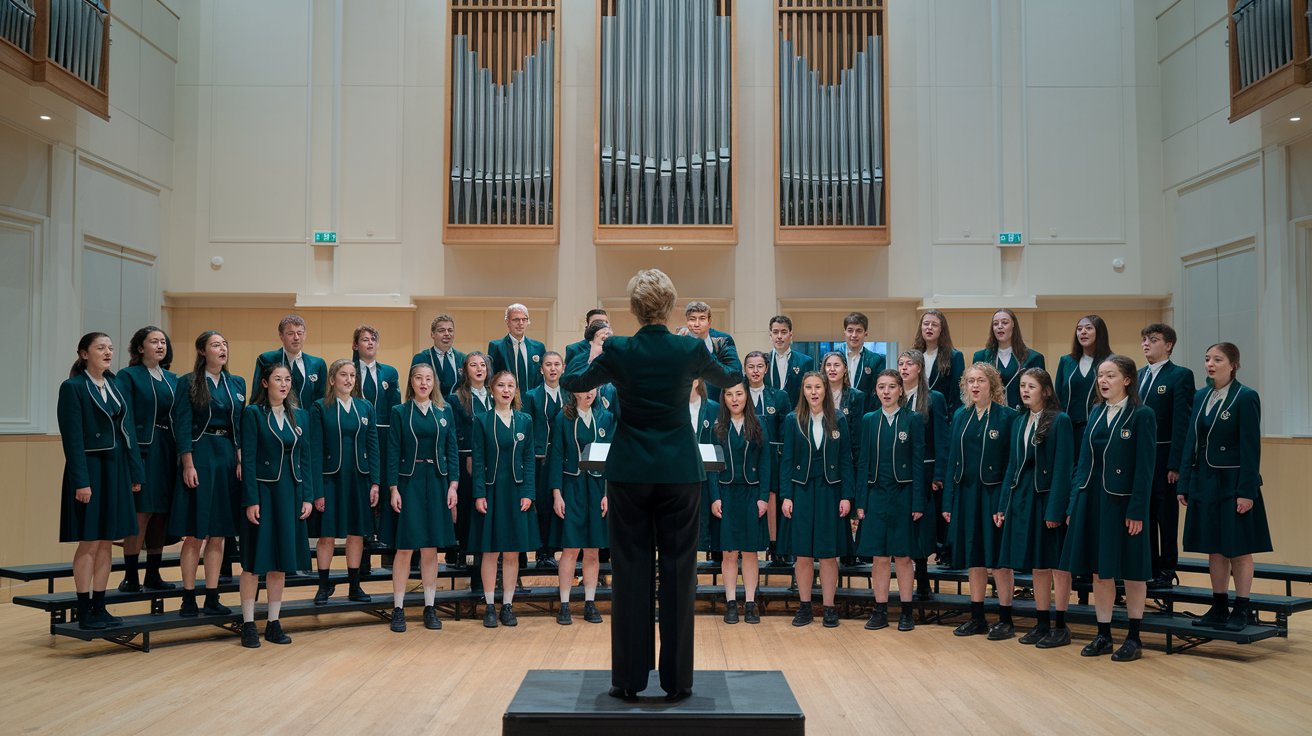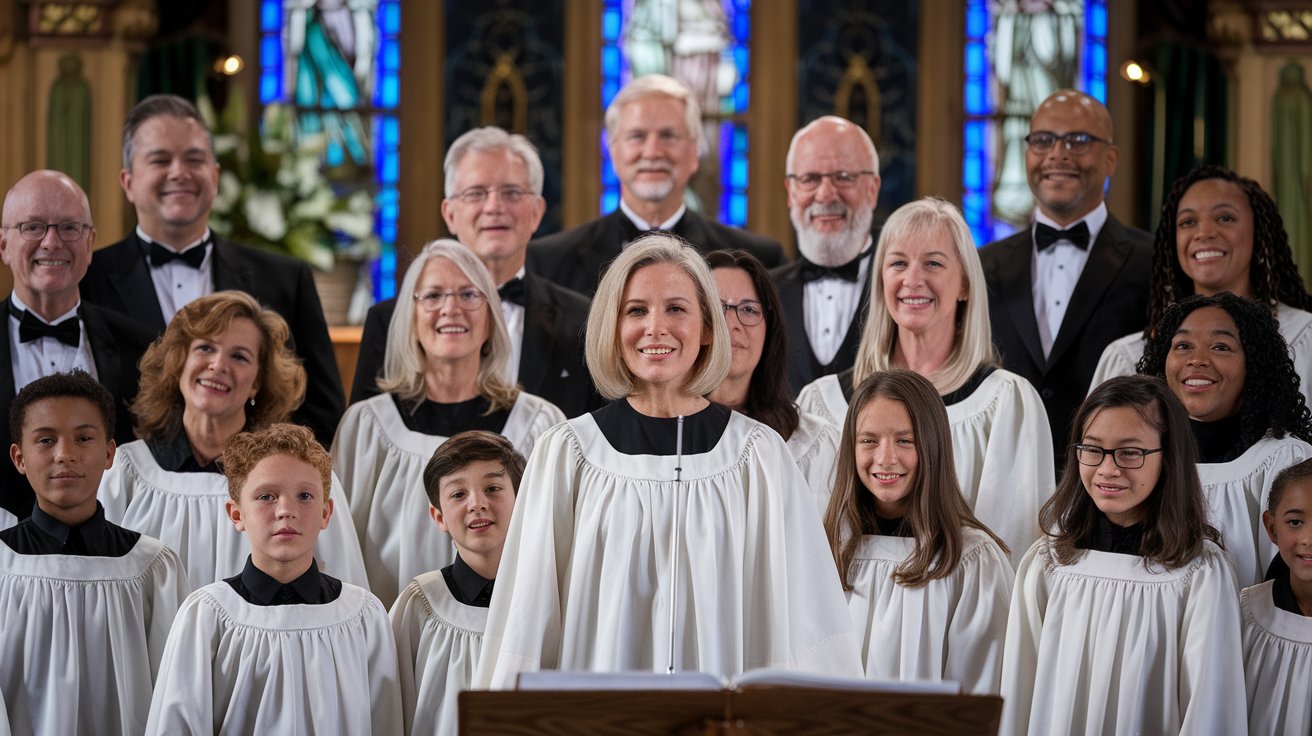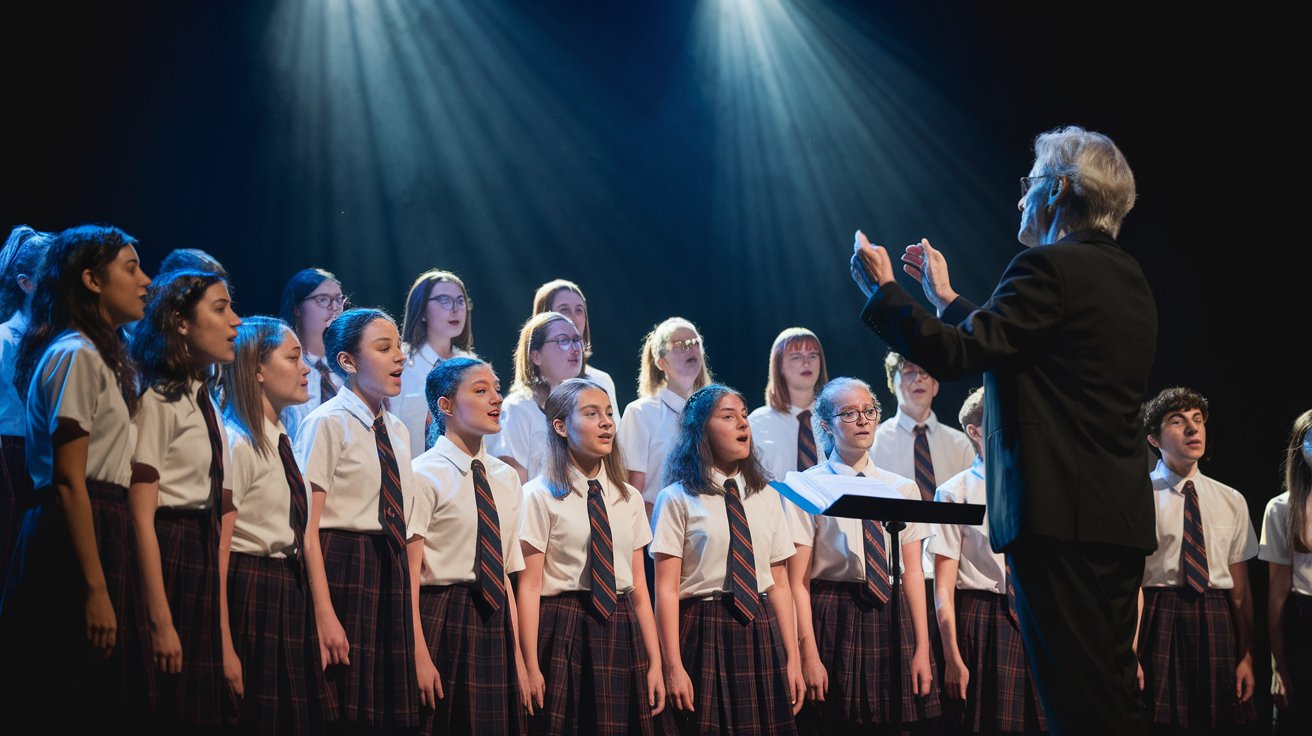
Selecting the best choir songs for school choirs can transform your ensemble’s performance and engage students in meaningful musical experiences. Whether you’re directing a middle school choir or preparing high school students for competition, the right repertoire balances vocal accessibility, student interest, and artistic growth. This comprehensive guide explores 35+ carefully curated choir songs spanning classical masterworks, contemporary pop arrangements, and powerful anthems proven successful in United States school programs throughout 2026.
Why Choosing the Right Choir Songs Matters for School Programs
The selection of appropriate choir repertoire directly impacts student engagement, vocal development, and program retention rates. According to 2026 data from the National Association for Music Education, school choirs with thoughtfully curated repertoire experience 43% higher student retention compared to programs using generic songbooks. Students in United States schools respond most enthusiastically to music that balances cultural relevance with technical challenge, creating opportunities for both skill development and personal connection.
Successful choir directors consider multiple factors when programming: vocal range appropriateness for developing voices, text suitability for educational environments, arrangement complexity matching ensemble skill levels, and student interest in contemporary styles. Research from the American Choral Directors Association in 2026 indicates that incorporating at least 30% modern repertoire alongside traditional pieces increases student participation in extracurricular choir activities by 38%. The strategic mix of classical foundations and popular music arrangements creates balanced programs that prepare students for diverse musical experiences while maintaining high engagement.
Timeless Classical Choir Songs Every School Ensemble Should Know
Classical repertoire provides the foundational techniques and musical literacy essential for comprehensive choral education. These pieces have remained staples in United States school choir programs because they develop sight-reading skills, blend refinement, and historical music appreciation while offering achievable challenges for developing voices.
Essential Renaissance and Baroque Pieces
Works by composers like Thomas Tallis, William Byrd, and Giovanni Pierluigi da Palestrina offer accessible entry points into polyphonic singing. Tallis’s “If Ye Love Me” remains particularly popular in 2026 school programs, with its moderate range (D4-D5) fitting most middle and high school voices comfortably. The piece’s clear four-part writing teaches students to maintain independent vocal lines while creating beautiful harmonic textures. Byrd’s “Ave Verum Corpus” provides similarly accessible Renaissance polyphony with manageable Latin text and memorable melodic lines that students quickly internalize.
For more advanced ensembles, Palestrina’s “Sicut Cervus” challenges students with flowing Renaissance counterpoint while maintaining singable ranges. The piece’s imitative entries help students develop listening skills across voice parts. Baroque selections like Handel’s “Hallelujah Chorus” from Messiah offer dramatic contrast with homophonic textures and powerful dynamic possibilities, though directors should consider appropriate transpositions for younger voices.
Romantic Period Masterworks for Developing Choirs
The Romantic era provides emotionally expressive repertoire that resonates with adolescent performers and audiences. Johannes Brahms’s “How Lovely Is Thy Dwelling Place” from A German Requiem consistently ranks among the most performed classical pieces in United States high school choirs during 2026. Its lyrical melodies and accessible German text create opportunities for expressive singing and dynamic contrast. Gabriel Fauré’s “Cantique de Jean Racine” offers lush harmonies and sustained legato passages that develop breath control and vowel unification.
For smaller or less experienced ensembles, Felix Mendelssohn’s “For the Beauty of the Earth” and John Rutter’s settings of traditional texts provide Romantic-style warmth with simplified vocal demands. These pieces maintain artistic integrity while accommodating the technical limitations of developing singers, making them ideal for middle school programs or early-year high school repertoire.
Modern Pop Songs Arranged for School Choirs
Contemporary popular music arrangements have become essential components of successful school choir programs in 2026. These pieces connect classroom learning to students’ personal musical experiences, dramatically increasing engagement and program appeal. Publishers like Hal Leonard, Alfred Music, and Shawnee Press now offer hundreds of professionally arranged pop songs specifically adapted for school choirs, with considerations for appropriate ranges, text modifications when necessary, and achievable accompaniment options.
Chart-Topping Hits Adapted for Student Voices
Adele’s “Rolling in the Deep” continues dominating school choir repertoire lists in 2026, with multiple arrangement versions available for different skill levels. The song’s powerful melodic hooks and driving rhythm energize rehearsals while teaching students about vocal intensity control and dramatic expression. Most arrangements transpose the original key to accommodate high school ranges (typically E-flat or D major), making the distinctive melody accessible without straining developing voices. The piece’s gospel-influenced chord progressions also introduce students to contemporary harmonic vocabulary beyond traditional classical training.
Coldplay’s “Yellow” offers contrast with its introspective mood and gentler dynamic approach. The arrangement typically features exposed vocal entrances that teach precision and confident tone production. Journey’s “Don’t Stop Believin'” remains perpetually popular, with its anthemic chorus providing opportunities for full ensemble power and unity. The verse sections allow for small group or solo features, making it versatile for concerts showcasing individual talents within the ensemble context.
Contemporary Ballads for Emotional Expression
Charlie Puth and Wiz Khalifa’s “See You Again” has become a staple graduation and memorial piece in United States schools since its release, with choral arrangements providing touching emotional moments. The song’s themes of friendship and remembrance resonate deeply with student performers and audiences. Arrangements typically feature rap sections adapted for spoken or rhythmic choral delivery, introducing students to contemporary vocal styles beyond traditional singing. The piece requires careful dynamic shaping and emotional maturity, making it ideal for more advanced high school ensembles.
Fun’s “Some Nights” brings theatrical energy with its dramatic dynamic contrasts and unconventional form. The arrangement challenges choirs with sudden tempo changes, falsetto sections, and powerful climaxes that develop ensemble precision and expressive range. Westlife’s “You Raise Me Up” continues inspiring students and audiences with its uplifting message and soaring melody, though directors should carefully consider key selection to avoid straining young voices on the climactic high notes.
Iconic Beatles Songs for School Choirs
The Beatles’ catalog offers timeless melodies with multigenerational appeal, bridging age gaps between student performers and adult audiences. “Let It Be” provides accessible four-part harmony with its gospel-influenced progression and memorable melodic hooks that students learn quickly. The arrangement’s piano accompaniment supports singers without overwhelming the vocal texture, making it manageable for choirs with limited accompanist resources. Directors appreciate how the song’s structure allows for creative staging and gradual dynamic building from intimate verses to powerful choruses.
“Yesterday” showcases beautiful close harmony writing in most choral arrangements, with its melancholic melody teaching students about expressive phrasing and emotional connection to text. The song’s relatively simple harmonic structure makes it accessible for developing music readers while maintaining artistic sophistication. Both pieces introduce students to 1960s popular music history and The Beatles’ lasting influence on contemporary songwriting, providing educational context beyond performance skills.
Powerful Choir Songs for School Competitions and Festivals
Competition repertoire requires technical sophistication combined with immediate audience impact. According to 2026 American Choral Directors Association guidelines, adjudicators evaluate school choirs on musical accuracy, expressive interpretation, vocal technique, and repertoire difficulty. Selecting pieces that showcase ensemble strengths while demonstrating comprehensive musicianship significantly influences competitive success and festival ratings.
Eric Whitacre’s compositions have dominated school choir festivals throughout the 2020s, with “Sleep” and “Lux Aurumque” remaining among the most frequently performed contemporary classical works. These pieces feature Whitacre’s signature cluster harmonies and sustained, floating textures that create ethereal soundscapes. The technical demands include precise intonation, independent part-holding, and controlled dynamics from pianissimo to forte, making them excellent demonstrations of advanced ensemble skill. Morten Lauridsen’s “O Magnum Mysterium” offers similar harmonic beauty with slightly more accessible vocal lines, frequently earning superior ratings at state and national festivals.
Best Choir Songs for Middle School Ensembles
Middle school repertoire requires special consideration for rapidly changing voices and varied musical experience levels. Students aged 11-14 navigate significant vocal development, with boys experiencing voice changes and all students developing greater range and control. Successful middle school choir songs balance accessibility with artistic merit, maintaining student interest while building foundational skills.
Age-Appropriate Pop Arrangements
Publishers now offer extensive catalogs of pop songs arranged specifically for middle school ranges, typically spanning D3 to D5 for mixed groups. Arrangements of songs like Katy Perry’s “Firework,” Rachel Platten’s “Fight Song,” and Sara Bareilles’s “Brave” provide empowering messages with accessible melodies that middle schoolers connect with personally. These pieces typically simplify harmonic complexity while maintaining recognizable melodic content, allowing students to experience performance success while developing reading and listening skills.
Ed Sheeran’s catalog translates particularly well to middle school voices, with songs like “Castle on the Hill” and “Perfect” offering relatable lyrics and moderate range demands. Arrangements often include optional solo or small group sections, allowing directors to feature developing voices without exposing less confident singers. The contemporary style maintains rehearsal engagement during the critical middle school years when student retention becomes challenging.
Folk Songs and Spirituals for Foundational Skills
Traditional folk songs and African American spirituals provide culturally rich repertoire with manageable technical demands. “Shenandoah,” “The Water Is Wide,” and “Danny Boy” teach legato singing and phrase shaping with their flowing melodies and memorable tunes. These songs’ limited ranges accommodate changing voices while developing musical expressiveness and historical awareness. Spirituals like “Wade in the Water,” “I Want Jesus to Walk with Me,” and “Swing Low, Sweet Chariot” introduce call-and-response structures, syncopated rhythms, and the rich heritage of American choral music.
Moses Hogan’s spiritual arrangements have become essential middle school repertoire, with pieces like “Elijah Rock” and “Soon Ah Will Be Done” offering rhythmic vitality and cultural significance. These arrangements challenge students with syncopation and altered harmonies while maintaining singable ranges. The energetic style creates enthusiastic rehearsal atmospheres that contrast effectively with slower classical or pop selections in concert programming.
Popular High School Choir Songs for Advanced Ensembles
Advanced high school choirs can tackle sophisticated repertoire approaching collegiate and professional difficulty levels. These ensembles benefit from challenging pieces that develop advanced musicianship while maintaining the engagement factor critical for extracurricular programs. In 2026, successful high school programs balance contemporary arrangements, classical masterworks, and commissioned pieces specifically written for young voices.
Contemporary a cappella arrangements have exploded in popularity following the success of groups like Pentatonix and television shows featuring vocal ensembles. Pieces like Pentatonix’s arrangement of “Daft Punk” challenge advanced choirs with complex vocal percussion, tight harmonies, and contemporary production elements adapted for live performance. These arrangements require exceptional rhythmic precision and blend while teaching students about current trends in commercial vocal music. Deke Sharon’s arrangements and those from contemporary a cappella publishers provide extensive options for pop, rock, and R&B songs adapted to advanced choir capabilities.
Seasonal Choir Songs Perfect for School Concerts
School concert calendars typically include winter, spring, and end-of-year performances requiring season-appropriate repertoire. Strategic seasonal programming maintains family and community engagement throughout the academic year while showcasing ensemble development and diverse musical styles.
Winter Concert and Holiday Repertoire
December concerts remain the highest-attended school choir events in most United States communities, requiring thoughtful programming that respects diverse traditions while celebrating the season. Secular winter pieces like “Winter Song” (arranged by various composers), “Infant Holy, Infant Lowly,” and “The Winter Song” by Sara Bareilles and Ingrid Michaelson provide seasonal atmosphere without specific religious content. These pieces work effectively in public school settings with religiously diverse populations.
For programs incorporating sacred music, arrangements of “O Holy Night,” “The First Noel,” and John Rutter’s “Candlelight Carol” offer traditional excellence with beautiful choral writing. Directors should balance sacred selections with secular pieces and potentially include winter songs from diverse cultural traditions, such as Hebrew or Kwanzaa songs, creating inclusive programming. Modern arrangements of holiday classics, like Mariah Carey’s “All I Want for Christmas Is You” or Pentatonix’s holiday catalog, add contemporary appeal that attracts broader audiences.
Spring and Graduation Concert Selections
Spring concerts provide opportunities for lighter, celebration-focused repertoire after intensive winter programming. Pieces celebrating renewal, growth, and achievement resonate with end-of-year themes. “Seasons of Love” from Rent has become a spring concert staple, with its memorable melody and themes of measuring life’s meaningful moments. The song’s contemporary musical theater style appeals to students while providing appropriate challenge for ensemble unity and dynamic expression.
Graduation-specific repertoire includes pieces like “For Good” from Wicked, “Go the Distance” from Disney’s Hercules, and “Climb Ev’ry Mountain” from The Sound of Music. These songs offer inspirational messages aligned with graduation themes while showcasing developed vocal skills after a year’s growth. Spring also provides excellent timing for multicultural programming, with pieces representing diverse traditions and languages demonstrating comprehensive music education outcomes.
How to Select Choir Songs That Match Your Ensemble’s Skill Level
Appropriate repertoire selection requires realistic assessment of ensemble capabilities balanced with growth-oriented challenge. Directors should consider vocal range distribution, sight-reading abilities, rehearsal time available, and prior musical experience when programming. The 2026 standards from the National Association for Music Education recommend selecting 70% of repertoire within the ensemble’s comfortable capability range and 30% as stretch pieces that require concentrated effort but remain achievable.
Vocal range represents the most critical technical consideration. Middle school mixed choirs typically function best with pieces spanning approximately D3 to D5, while high school ensembles can often handle D3 to F5 or G5. Directors should examine the tessitura (where voices spend most of their time) rather than just extreme notes, as prolonged singing in uncomfortable ranges causes fatigue and poor tone quality. Part independence varies significantly; beginning ensembles need largely homophonic textures with occasional divisi, while advanced groups handle complex polyphony with extended independent sections.
Text complexity affects learning speed and performance quality. Simple, repetitive texts allow students to focus on vocal technique and musical elements, while complex poetry or foreign language texts require additional rehearsal time for pronunciation and meaning. Accompaniment considerations include piano difficulty, availability of instrumental parts, or a cappella singing confidence. Directors should create balanced concert programs mixing familiar styles with new challenges, varied tempos and moods, and diverse cultural representations demonstrating comprehensive musical education.
Teaching Tips for Successful School Choir Performances
Effective rehearsal strategies transform good song selections into outstanding performances that showcase student growth. According to 2026 research from the American Choral Directors Association, directors who implement systematic rehearsal structures achieve 52% faster learning rates and higher performance quality compared to unstructured approaches. Successful strategies include beginning each piece with score study, identifying technical challenges before first sing-throughs, and creating specific practice plans for difficult sections.
Vocal warm-ups should target specific technical demands of rehearsed repertoire. If programming includes sustained legato pieces, warm-ups should emphasize breath management and phrase connection. Repertoire with challenging intervals benefits from warm-ups featuring similar melodic patterns, building muscle memory before tackling actual pieces. Recording rehearsals allows students to hear ensemble sound objectively, identifying blend issues, intonation problems, or dynamic imbalances that singers cannot perceive while performing.
Student engagement strategies include providing historical and cultural context for each piece, making personal connections between lyrics and student experiences, and occasionally allowing ensemble input on repertoire selection. Directors who incorporate student choice in at least one concert piece per year report 34% higher participation in optional performances and summer programs. Regular section rehearsals develop part confidence and allow targeted work on specific vocal challenges without requiring the full ensemble’s time.
Where to Find Quality Choir Arrangements for School Programs
Accessing high-quality, legally licensed choral arrangements requires knowing reputable publishers and resource platforms. Major publishers including Hal Leonard, Alfred Music, Shawnee Press, and Heritage Music Press offer extensive school choir catalogs with difficulty ratings, preview recordings, and educational resources. These publishers maintain proper copyright licensing, ensuring directors comply with intellectual property law while accessing professionally edited scores.
Digital platforms have revolutionized score access in 2026. J.W. Pepper’s website provides the largest catalog of choral music with searchable filters for voicing, difficulty, style, and occasion. The site includes audio previews and customer reviews helping directors make informed selections. MusicNotes.com offers digital sheet music with instant download capabilities, particularly useful for last-minute additions or replacement copies. The Choral Public Domain Library provides free access to thousands of public domain works, ideal for budget-conscious programs seeking classical repertoire.
Professional organizations like the American Choral Directors Association offer members access to repertoire lists, reading sessions, and colleague recommendations through state and national conferences. Social media groups and online forums provide platforms where directors share successful programming ideas and warn colleagues about problematic arrangements. Many publishers now offer subscription services providing unlimited digital access to catalogs for annual fees, significantly reducing per-piece costs for active programs.
Building a Diverse and Inclusive Choir Repertoire
Comprehensive music education requires repertoire representing diverse cultural traditions, languages, and historical periods. The National Association for Music Education’s 2026 standards emphasize multicultural programming as essential for preparing students to engage with global musical traditions. Effective diverse programming includes music from African American, Latin American, Asian, Indigenous, and other cultural traditions, taught with appropriate historical and cultural context.
African American spirituals and gospel music represent essential American contributions to choral literature. Beyond the traditional spirituals mentioned earlier, directors should explore contemporary gospel arrangements by composers like Rollo Dilworth and Stacey Gibbs, whose works maintain authentic style while accommodating school choir capabilities. Latin American repertoire includes folk songs like “De Colores,” contemporary pieces by Guatemalan composer Carlos Trejo, and arrangements of traditional villancicos. These pieces often feature characteristic rhythms and Spanish texts that expand students’ musical vocabulary.
Asian choral traditions include Japanese pieces like “Sakura” and “Hotaru Koi,” Chinese folk song arrangements, and contemporary works by composers like Ko Matsushita. Indigenous music requires particular sensitivity, with directors consulting tribal resources and seeking authentic arrangements approved by relevant communities. Programming LGBTQ+ composers and pieces addressing social justice themes demonstrates institutional values while exposing students to diverse perspectives. The goal is creating authentic, respectful representation rather than tokenistic inclusion, supported by research and contextual education.
Related video about best choir songs for school choirs
This video complements the article information with a practical visual demonstration.
Everything you need to know about best choir songs for school choirs
What is a good song for a school choir to perform at their first concert?
For a first concert, select pieces like “Shenandoah,” “Let It Be” by The Beatles, or “Count on Me” by Bruno Mars. These songs offer accessible ranges, memorable melodies, and moderate technical demands that allow developing choirs to sound polished without overwhelming challenges. The recognizable nature of these pieces also engages audiences and builds student confidence. Consider including one familiar pop arrangement, one folk or traditional piece, and one simple classical selection to demonstrate varied musical styles while maintaining achievable difficulty levels for beginning ensembles.
What are the most popular choir songs for high school students in 2026?
The most popular high school choir songs in 2026 include contemporary arrangements like Adele’s “Rolling in the Deep,” Pentatonix’s “Daft Punk” medley, and Billie Eilish’s “Happier Than Ever.” Classical favorites remain Eric Whitacre’s “Sleep” and “Lux Aurumque,” along with Morten Lauridsen’s “O Magnum Mysterium.” Musical theater pieces from Hamilton, Dear Evan Hansen, and The Greatest Showman maintain strong popularity. These pieces balance student interest in current music with technical challenges that develop advanced vocal skills, making them ideal for high school programs seeking engaging yet educationally valuable repertoire.
How do I choose appropriate choir songs for middle school voices?
Choose middle school choir songs with ranges between D3 and D5, avoiding extended periods in extreme registers. Select pieces with mostly homophonic textures and limited divisi, gradually introducing more part independence as skills develop. Prioritize songs with relatable texts and contemporary styles that connect with ages 11-14, such as “Fight Song,” “Count on Me,” or simplified classical pieces like “Ode to Joy.” Consider the rapid voice changes occurring during middle school years, programming flexible pieces that accommodate changing vocal abilities. Include diverse styles spanning folk songs, spirituals, pop arrangements, and accessible classical works to provide comprehensive musical education while maintaining engagement.
What are good audition songs to get into a school choir?
Effective audition songs include “Over the Rainbow,” “Edelweiss,” “Amazing Grace,” or age-appropriate Broadway selections like “Part of Your World” or “Where Is Love.” Choose pieces that showcase your vocal range, demonstrate musical expression, and fit your voice comfortably without excessive strain. Avoid overly complex contemporary songs with excessive melismas or extreme ranges. Directors evaluate tone quality, pitch accuracy, musicality, and potential rather than perfection, so select songs allowing you to demonstrate your best vocal qualities confidently. Prepare 16-32 measures showing contrasting dynamics and at least one sustained phrase demonstrating breath control and tone consistency.
Where can I find free choir sheet music for school programs?
The Choral Public Domain Library (CPDL) offers thousands of free classical and traditional choral scores whose copyrights have expired. IMSLP (International Music Score Library Project) provides additional public domain resources including major choral works by composers like Bach, Handel, and Mozart. However, most contemporary and popular music arrangements require purchase from licensed publishers like Hal Leonard, Alfred Music, or J.W. Pepper. Some publishers offer limited free promotional scores or reading session packets. Always verify copyright status before copying music, as illegal copying violates intellectual property law and undermines composers and arrangers who create school-appropriate repertoire.
How many songs should a school choir prepare for a concert?
Most school choir concerts include 8-12 pieces creating programs lasting 45-60 minutes. This typically breaks down into 2-3 pieces per musical style or theme, such as classical selections, pop arrangements, folk songs, and seasonal pieces. Beginning choirs may prepare fewer pieces (6-8) with greater rehearsal focus on each, while advanced ensembles handle larger repertoire loads. Consider audience attention spans, student stamina, and rehearsal time available when determining concert length. Include variety in tempo, mood, difficulty, and style to maintain audience engagement. Quality preparation of fewer pieces creates better performances than rushing through excessive repertoire with insufficient rehearsal time.
| Repertoire Category | Best Choices for 2026 | Primary Benefits |
|---|---|---|
| Classical Foundation | Tallis “If Ye Love Me,” Brahms “How Lovely,” Whitacre “Sleep” | Develops sight-reading, blend, historical knowledge, and advanced musicianship |
| Contemporary Pop | Adele “Rolling in the Deep,” Coldplay “Yellow,” Beatles arrangements | Increases student engagement, connects to personal music experiences, attracts audiences |
| Middle School Specific | “Fight Song,” “Count on Me,” folk songs, accessible spirituals | Accommodates changing voices, builds confidence, maintains age-appropriate challenge |
| Advanced High School | Pentatonix arrangements, Lauridsen works, complex musical theater | Challenges technical skills, prepares for collegiate music, showcases ensemble excellence |
| Multicultural Repertoire | Spirituals, Latin American folk songs, Asian traditional pieces | Provides comprehensive cultural education, respects diversity, expands musical vocabulary |
| Seasonal Programming | Secular winter songs, graduation pieces like “For Good,” spring celebrations | Maintains family engagement, celebrates milestones, provides performance variety throughout year |