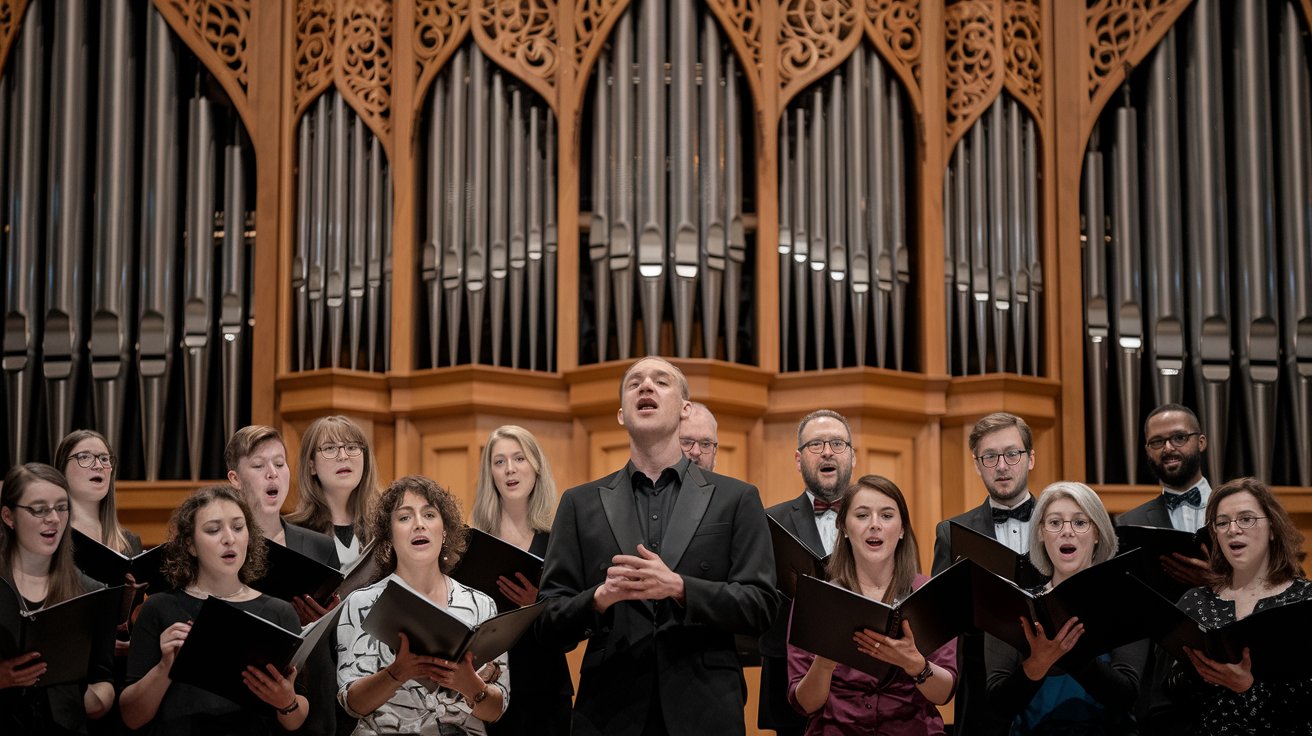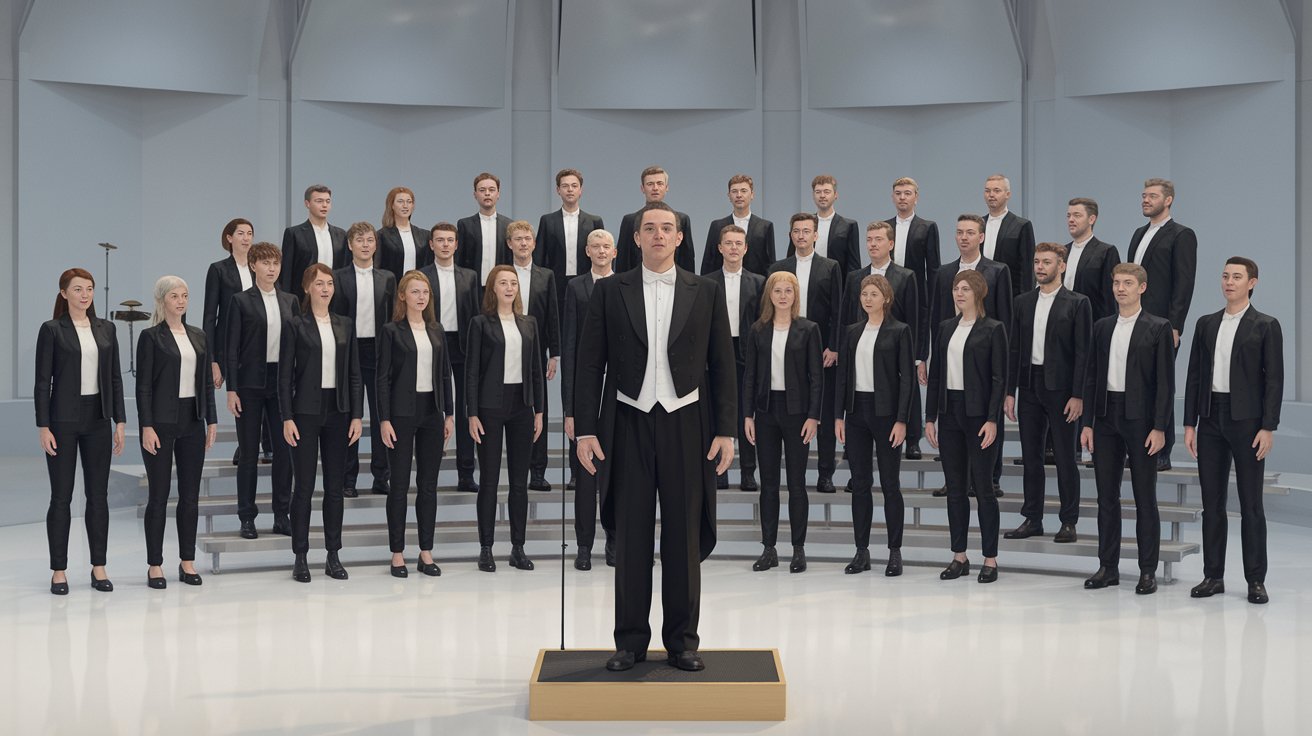
The terms choir and chorus are often used interchangeably, yet they represent distinct concepts in the musical world. Understanding the difference between chorus and choir is essential for musicians, educators, and music enthusiasts across the United States. While both involve groups of singers performing together, their contexts, structures, and applications differ significantly. This comprehensive guide clarifies these distinctions, exploring their roles in sacred music, theatrical performances, educational settings, and contemporary musical compositions in 2026.
What is a Choir? Understanding the Fundamentals
A choir is traditionally defined as an organized group of singers who perform together, typically in religious or classical music settings. The term originates from the Latin word chorus, but has evolved to represent specific musical contexts. In 2026, approximately 42.6 million Americans participate in choral singing, with church choirs representing nearly 65% of this population. Choirs are characterized by their structured approach to vocal performance, often featuring multiple voice parts including soprano, alto, tenor, and bass.
The fundamental purpose of a choir is to create harmonious vocal music through coordinated singing. Unlike solo performances, choir members blend their voices to produce a unified sound that no single vocalist could achieve alone. Most choirs rehearse regularly, typically weekly, and perform repertoire ranging from Renaissance polyphony to contemporary compositions. The organizational structure usually includes a conductor or choir director who guides musical interpretation, maintains tempo, and ensures vocal balance across all sections.
Understanding Chorus: Definition and Musical Context
A chorus serves multiple meanings in musical terminology, creating some confusion with the term choir. In theatrical and operatic contexts, a chorus refers to a group of performers who sing and sometimes dance as part of a larger production. Musical theater productions on Broadway and across United States regional theaters employ choruses that number between 12 to 40 performers, depending on the production scale. These performers often play multiple ensemble roles while providing vocal support for lead characters.
In popular music and contemporary songwriting, chorus refers to the repeated section of a song that contains the main message or hook. This usage differs entirely from the ensemble meaning, yet remains equally important in musical discourse. The chorus section typically features the most memorable melody and lyrics, designed for audience participation and commercial appeal. Additionally, in classical music composition, a chorus can indicate the portion of a work written specifically for choral performance, distinguishing it from solo or instrumental passages.
Different Types of Choirs in 2026
The landscape of choral music in the United States encompasses diverse choir types, each serving unique purposes and communities. Understanding these variations helps clarify when the term choir is appropriately applied versus other ensemble designations.
Chamber Choirs and Small Ensembles
Chamber choirs represent the elite tier of choral performance, typically comprising 12 to 40 highly skilled singers. These ensembles focus on complex repertoire requiring precision, advanced musicianship, and individual accountability. In 2026, over 3,200 professional and semi-professional chamber choirs operate throughout the United States, with notable concentrations in metropolitan areas. The intimate size allows for sophisticated vocal techniques, including Renaissance polyphony, contemporary avant-garde compositions, and intricate harmonic structures that larger groups cannot effectively execute.
Church Choirs and Sacred Music Traditions
Church choirs remain the most prevalent choir type in America, with approximately 270,000 active congregational choirs as of 2026. These ensembles serve liturgical functions, enhancing worship experiences through hymns, anthems, and sacred compositions. The difference between chorus and choir becomes particularly relevant in religious contexts, where choir specifically denotes the musical ensemble supporting worship services. Church choirs range from small volunteer groups of 8-12 members in rural congregations to professional ensembles exceeding 100 voices in large urban cathedrals. Their repertoire spans Gregorian chant, Bach cantatas, gospel music, and contemporary Christian compositions.
School Choirs and Educational Programs
Educational institutions across the United States maintain robust choir programs that serve approximately 7.8 million students in 2026. The term chorus vs choir in school settings often reflects program structure rather than fundamental differences. Middle and high schools typically use choir for their primary vocal ensemble, while some institutions designate advanced groups as select choir or chamber singers. Elementary programs more frequently employ the term chorus, though this convention varies regionally. School choirs provide foundational music education, teaching sight-reading, vocal technique, ensemble skills, and musical literacy while performing repertoire appropriate to student development levels.
Community Choirs and Amateur Ensembles
Community choirs have experienced remarkable growth, with membership increasing 34% between 2020 and 2026. These ensembles welcome singers regardless of audition requirements, providing accessible musical participation for adults. Approximately 18,500 community choirs operate nationwide, offering opportunities for social connection, artistic expression, and lifelong learning. Unlike professional choirs that require advanced skills, community ensembles accommodate varying ability levels while still producing quality performances. Their repertoire tends toward accessible arrangements of popular music, folk songs, world music, and simplified classical works that balance artistic merit with ensemble capabilities.
Chorus in Theatrical and Operatic Settings
The chorus in theatrical settings functions distinctly from traditional choirs, embodying both vocal and dramatic responsibilities. Opera choruses serve as the vocal foundation for productions, representing crowds, townspeople, soldiers, or other collective characters. Major opera companies like the Metropolitan Opera employ professional choruses of 80-100 singers who undergo rigorous auditions and maintain year-round contracts. These performers must possess excellent vocal technique, strong sight-reading abilities, acting skills, and the physical stamina for demanding rehearsal and performance schedules.
Musical theater choruses blend singing, acting, and dancing in integrated performances. Broadway productions in 2026 typically feature chorus members who are triple threats, equally skilled in all three disciplines. The difference between chorus and choir becomes evident here, as choir emphasizes pure vocal performance while chorus encompasses comprehensive theatrical artistry. Regional theaters, touring productions, and community theaters across America employ similar chorus structures, though with varying professional expectations. These ensembles learn complex choreography, execute quick costume changes, and maintain character consistency while delivering vocally demanding material.
Choir vs Chorus: Terminology and Usage Differences
The precise difference between chorus and choir extends beyond simple semantics into contextual application and historical usage. In American English, choir predominantly refers to groups performing sacred music or classical choral repertoire, while chorus appears more frequently in theatrical, operatic, and popular music contexts. However, regional variations and institutional preferences create exceptions to this general pattern.
Pronunciation also distinguishes these terms, with choir pronunciation sounding as kwire and chorus pronunciation as KOR-uhs. The term choir carries connotations of formal organization, regular rehearsals, and performances of substantial musical works. Meanwhile, chorus may suggest either theatrical ensemble work or the structural component of a song. In educational settings, the chorus vs choir in school debate often resolves institutionally, with some schools maintaining both designations for different ensemble levels or performance focuses. Professional music organizations typically employ choir when describing concert ensembles and chorus for opera or musical theater groups.
Vocal Arrangements and Ensemble Structure
Both choirs and choruses organize singers into distinct vocal sections based on range and timbre. The standard SATB arrangement divides ensembles into soprano, alto, tenor, and bass sections, though variations exist for specialized repertoire or group composition.
Mixed Choirs and Voice Distribution
Mixed choirs incorporate both male and female voices across all ranges, creating the fullest harmonic possibilities. The typical distribution in professional mixed choirs allocates approximately 30% sopranos, 25% altos, 25% tenors, and 20% basses, though these proportions adjust based on repertoire demands. In 2026, mixed choirs represent about 68% of all choral ensembles in the United States. This configuration enables performance of the broadest repertoire range, from Renaissance motets requiring six or eight voice parts to contemporary compositions exploring extended vocal techniques. The blend of male and female voices produces unique timbral combinations impossible in single-gender ensembles.
Specialized Voice Ensembles
Specialized ensembles focus on specific voice combinations for particular repertoire or sonic effects. Male choruses, also called men’s choirs, feature tenor and bass voices exclusively, performing literature written specifically for this configuration. A male chorus produces a distinctive sound characterized by power, depth, and homogeneous timbre, particularly effective in folk traditions, barbershop arrangements, and certain classical works. Women’s choirs, conversely, emphasize soprano and alto voices, excelling in repertoire requiring lighter, more ethereal qualities. Boys’ choirs represent another specialized category, featuring unchanged treble voices that create unique tonal purity. Approximately 2,400 specialized voice ensembles operate professionally or semi-professionally across America in 2026.
Performance Practices and Settings
The contexts in which choirs and choruses perform significantly influence their preparation, repertoire selection, and presentation style. Understanding these environmental factors clarifies the functional difference between chorus and choir applications in professional and amateur settings.
Formal Concert Settings for Choirs
Choir performance in formal concert settings demands meticulous preparation, precise execution, and professional presentation standards. Concert choirs typically perform in dedicated acoustical spaces designed to enhance vocal sound, including concert halls, cathedrals, and recital venues. Performances follow established classical music conventions, with audiences maintaining silence during pieces and applauding only at designated moments. The choir standing arrangement usually positions singers in rows or risers organized by voice part, optimizing blend and balance. Conductors employ subtle gestures to control dynamics, tempo, and expression while maintaining visual focus. Concert programs in 2026 increasingly incorporate multimedia elements, yet the core focus remains on vocal artistry and musical interpretation.
Theatrical Chorus Positioning and Movement
Chorus positioning in theatrical productions prioritizes visual storytelling alongside vocal performance. Unlike static choir formations, theatrical choruses continuously move, executing choreography that supports narrative development. Positioning considers sightlines, stage composition, and dramatic effect rather than purely acoustical optimization. Directors and choreographers collaborate to integrate chorus movement with scenic elements, lighting design, and principal character blocking. In opera productions, the chorus might position upstage during intimate solo moments, then surge forward for dramatic crowd scenes. Musical theater choruses navigate more complex staging, performing intricate dance numbers while maintaining vocal quality. Modern productions employ wireless microphones for chorus members, allowing greater movement freedom than traditional acoustic performance permits.
A Cappella Singing and Musical Independence
When a choir sings without music or instrumental accompaniment, the practice is called a cappella singing, from Italian meaning in the manner of the chapel. This technique requires exceptional musicianship, as singers must maintain pitch accuracy without external reference points. A cappella choirs have gained tremendous popularity in American culture, driven partly by collegiate groups and media representations. As of 2026, over 3,800 dedicated a cappella ensembles perform across the United States, with collegiate groups representing approximately 60% of this total.
The demands of a cappella performance extend beyond traditional choral skills. Singers develop heightened listening abilities to match pitch with ensemble members, maintain independent harmonic lines, and adjust intonation dynamically. Contemporary a cappella incorporates vocal percussion and beatboxing, where performers simulate instrumental sounds using only their voices. This style has evolved into a distinct genre, featuring complex arrangements of popular music, original compositions, and innovative vocal techniques. Professional a cappella groups like Pentatonix have achieved mainstream commercial success, demonstrating the artistic and market viability of purely vocal music in contemporary culture.
Chorale: Another Related Term Explained
The term chorale adds another dimension to choral terminology, often causing confusion alongside choir and chorus. A chorale specifically refers to a type of hymn tune associated with German Protestant tradition, particularly Lutheran church music. Composers like Johann Sebastian Bach created elaborate chorale harmonizations that remain central to sacred choral repertoire. In this context, chorale describes the musical composition rather than the performing ensemble.
However, some organizations use chorale as a synonym for choir, particularly in naming their ensembles. The Atlanta Symphony Orchestra Chorus was historically called the Atlanta Symphony Orchestra Chorale, demonstrating interchangeable usage. Educational institutions sometimes designate their top choir as chorale to distinguish it from other vocal ensembles. This naming convention appears more frequently in Western United States regions. The key distinction remains that chorale primarily denotes a musical form or style, while secondarily serving as an alternative ensemble designation. Understanding this triple usage clarifies discussions about the difference between chorus and choir and related terminology in American musical contexts.
The Role of Conductors and Musical Leadership
Both choirs and choruses rely on skilled musical leadership to achieve artistic excellence. The conductor or director serves as interpretive guide, technical instructor, and organizational manager. In professional settings, choral conductors typically hold advanced degrees in choral conducting, extensive performance experience, and specialized knowledge of vocal pedagogy. They select repertoire appropriate to ensemble capabilities, design rehearsal strategies that maximize learning efficiency, and shape interpretive decisions that define ensemble identity.
The conducting technique for choirs emphasizes clear beat patterns, expressive gestures indicating phrasing and dynamics, and facial expressions that communicate emotional content. Effective conductors develop rapport with singers, creating ensemble culture that balances artistic ambition with supportive collaboration. In educational settings, choir directors additionally teach music theory, vocal technique, and sight-singing skills that develop comprehensive musicianship. Theatrical chorus masters face unique challenges, coordinating with stage directors, choreographers, and musical directors to integrate vocal performance with dramatic action. As of 2026, approximately 47,000 professional choral conductors work in the United States across educational, religious, community, and professional performance sectors.
Repertoire Differences: Sacred vs Secular Music
The difference between chorus and choir often manifests in repertoire selection and performance context. Choirs traditionally emphasize sacred music, performing masses, motets, anthems, oratorios, and other religious compositions. This association stems from the historical development of choral singing within ecclesiastical settings, where trained singers enhanced liturgical services. Contemporary church choirs maintain this tradition while expanding into gospel, contemporary Christian music, and spirituals that reflect America’s diverse faith communities.
Secular choral music encompasses folk songs, art songs, contemporary compositions, and arrangements of popular music performed outside religious contexts. Choruses, particularly in theatrical settings, primarily perform secular repertoire integrated into dramatic narratives. Concert choirs increasingly program balanced concerts featuring both sacred and secular works, reflecting the artificial nature of strict categorization. In 2026, approximately 58% of choral concert programs include both sacred and secular selections, demonstrating the blurred boundaries between these categories. The repertoire choice ultimately reflects ensemble mission, audience expectations, performance venue, and conductor preference rather than inherent limitations in the terms choir or chorus.
Contemporary Trends in Choral Music (2026)
The American choral music landscape continues evolving in response to technological advances, demographic shifts, and changing cultural preferences. Virtual choir projects, accelerated during the 2020 pandemic, have become permanent features of choral life, with approximately 32% of ensembles incorporating hybrid rehearsal or performance formats in 2026. These technologies enable participation from geographically dispersed singers and create new compositional possibilities through multi-track recording and spatial audio techniques.
Diversity and inclusion initiatives have significantly impacted choir and chorus programming and organizational practices. Ensembles increasingly commission works from composers representing varied cultural backgrounds, gender identities, and musical traditions. Programming now regularly features music from African, Asian, Latin American, and Indigenous composers alongside traditional European repertoire. Additionally, many ensembles have eliminated gendered voice part terminology, adopting inclusive language that welcomes transgender and non-binary singers. These changes reflect broader cultural shifts while expanding the artistic palette available to choral musicians. Audience development strategies increasingly target younger demographics through crossover programming, incorporating beatboxing, loop pedals, and contemporary popular music arrangements that demonstrate choral music’s relevance to modern listeners.
Related video about difference between chorus and choir
This video complements the article information with a practical visual demonstration.
Key Questions and Answers
What’s the difference between a choir and a chorale?
A choir is an ensemble of singers who perform together, while a chorale primarily refers to a type of hymn tune associated with German Protestant church music, particularly Lutheran tradition. Johann Sebastian Bach famously composed elaborate chorale harmonizations. However, some organizations use chorale as an alternative name for their choir ensemble, particularly in educational and symphonic settings. The term can describe either the musical form or, less commonly, the performing group itself, making context essential for proper interpretation.
What is a male chorus called?
A male chorus is typically called a men’s choir or male choir, featuring exclusively tenor and bass voices. These ensembles perform repertoire written specifically for male voices, including barbershop arrangements, folk traditions, and classical compositions. Some organizations use terms like men’s glee club, particularly in collegiate settings. As of 2026, approximately 4,200 dedicated male choruses operate in the United States, ranging from professional ensembles to community and collegiate groups. The distinctive sound of male choruses emphasizes power, depth, and homogeneous timbre that differs significantly from mixed or women’s choirs.
What is it called when a choir sings without music?
When a choir sings without instrumental accompaniment, it’s called a cappella singing, from the Italian phrase meaning in the manner of the chapel. This technique requires exceptional musicianship as singers must maintain pitch accuracy without external reference. A cappella performance has become increasingly popular in American culture, with over 3,800 dedicated a cappella ensembles performing nationwide as of 2026. Contemporary a cappella often incorporates vocal percussion and beatboxing, where performers simulate instrumental sounds using only their voices, creating a complete musical experience without instruments.
What is the main difference between chorus and choir in music?
The main difference between chorus and choir lies in context and usage. Choir typically refers to organized vocal ensembles performing classical or sacred music in concert or religious settings, emphasizing pure vocal performance. Chorus commonly describes theatrical or operatic singing groups that combine vocal performance with acting and movement, or refers to the repeated refrain section of a popular song. In American usage, church and concert groups usually call themselves choirs, while opera companies and musical theater productions employ choruses. However, these terms overlap considerably, and many organizations use them interchangeably based on regional preference or institutional tradition.
How does choir differ from chorus in school settings?
In school settings, the terms choir and chorus are often used interchangeably, though some institutions maintain distinctions. Many middle and high schools use choir for their primary vocal ensemble, designating advanced groups as select choir or chamber choir. Elementary programs more frequently employ the term chorus, though this varies regionally. Some schools use choir for groups emphasizing classical repertoire and formal concerts, while chorus might indicate groups performing popular music or participating in musical theater. As of 2026, approximately 7.8 million students participate in school vocal programs across the United States, with terminology reflecting local tradition rather than standardized national practice.
Can chorus and choir perform the same type of music?
Yes, both chorus and choir can perform the same types of music, as the terms describe performing groups rather than musical genres. However, practical differences exist in typical repertoire choices. Choirs traditionally emphasize classical choral literature, sacred music, and art songs, while choruses in theatrical settings perform music integrated into dramatic productions. Concert choirs and opera choruses both perform classical music, though presentation contexts differ significantly. In 2026, many ensembles blur these categorical boundaries, with church choirs performing contemporary Christian music, community choruses tackling classical masterworks, and professional choirs incorporating popular music arrangements. The ensemble’s mission, conductor preferences, and audience expectations influence repertoire selection more than the choir versus chorus designation.
| Aspect | Choir | Chorus |
|---|---|---|
| Primary Context | Sacred music, classical concerts, educational settings | Opera, musical theater, song structure terminology |
| Performance Focus | Pure vocal artistry and musical interpretation | Integrated singing, acting, and movement |
| Typical Repertoire | Masses, motets, anthems, oratorios, art songs | Opera choruses, musical theater numbers, ensemble pieces |
| Formation Style | Static rows or risers organized by voice part | Dynamic staging with choreography and movement |
| US Participation (2026) | Approximately 42.6 million in various choir types | Professional and community theater choruses nationwide |
| Common Settings | Churches, concert halls, schools, community centers | Opera houses, theaters, performance venues |