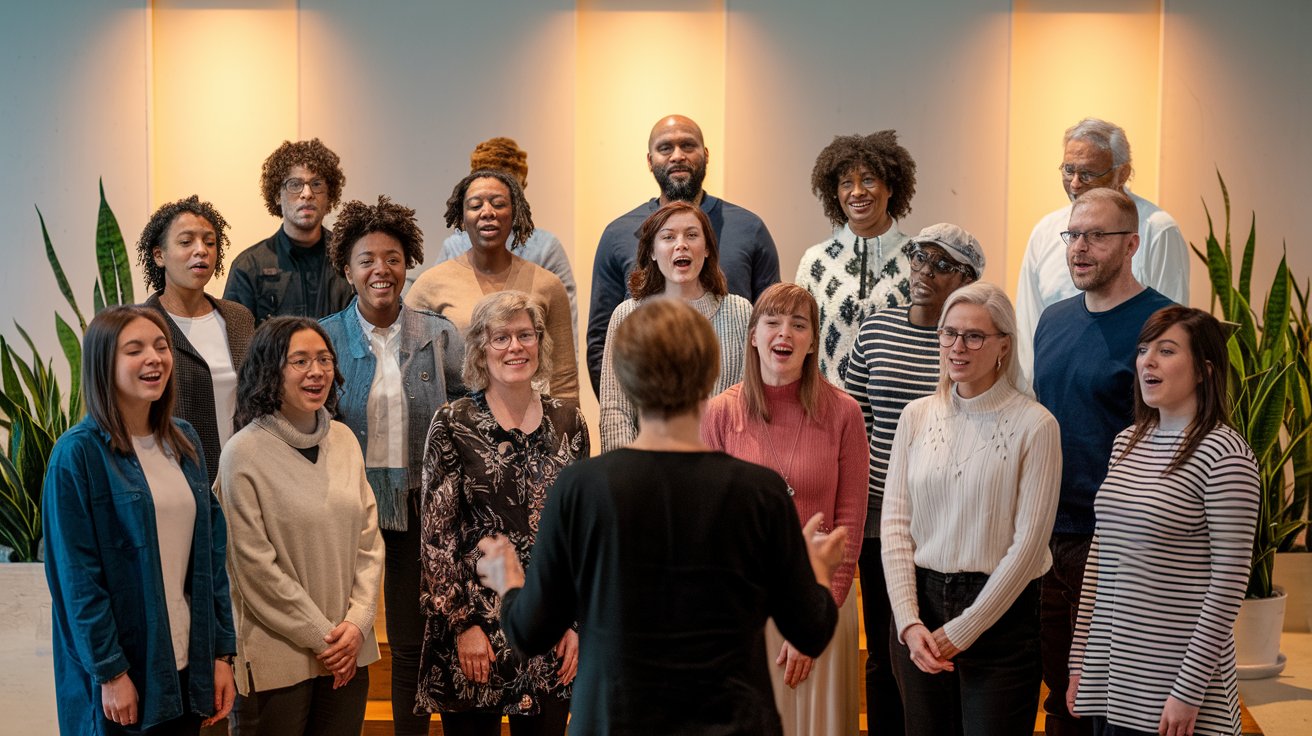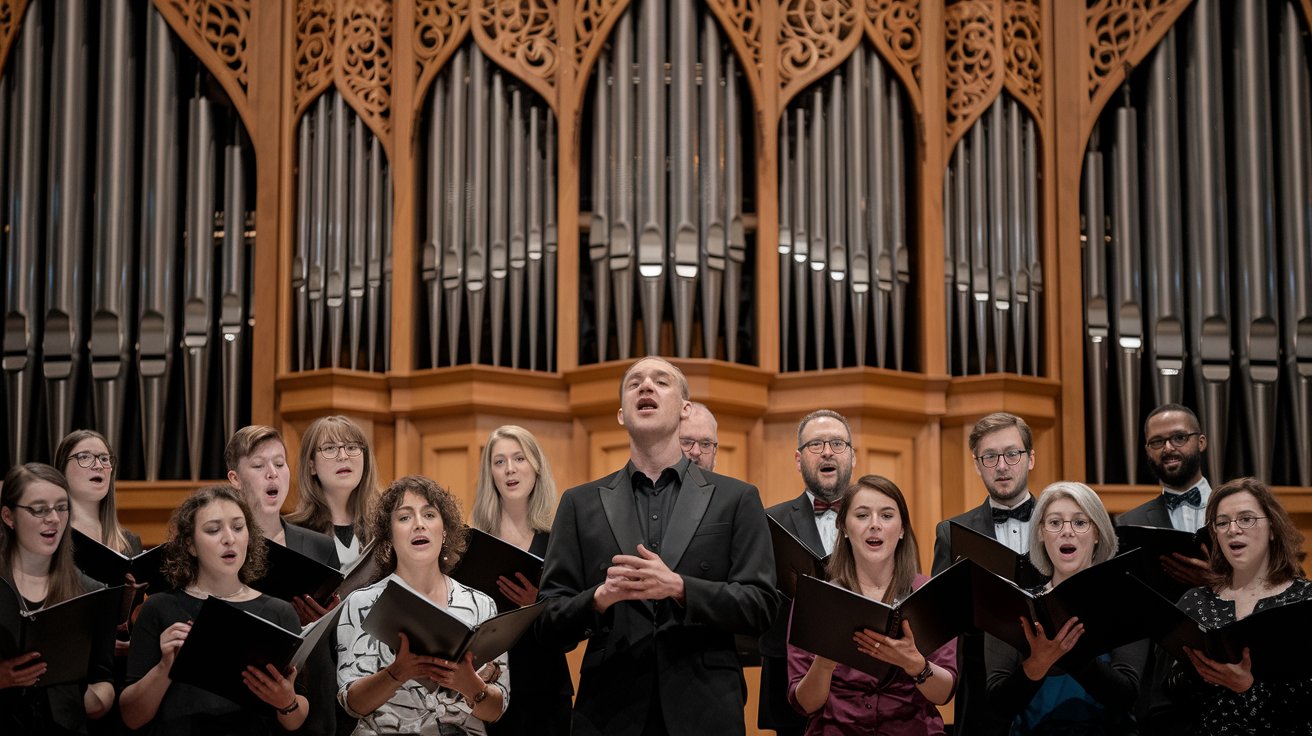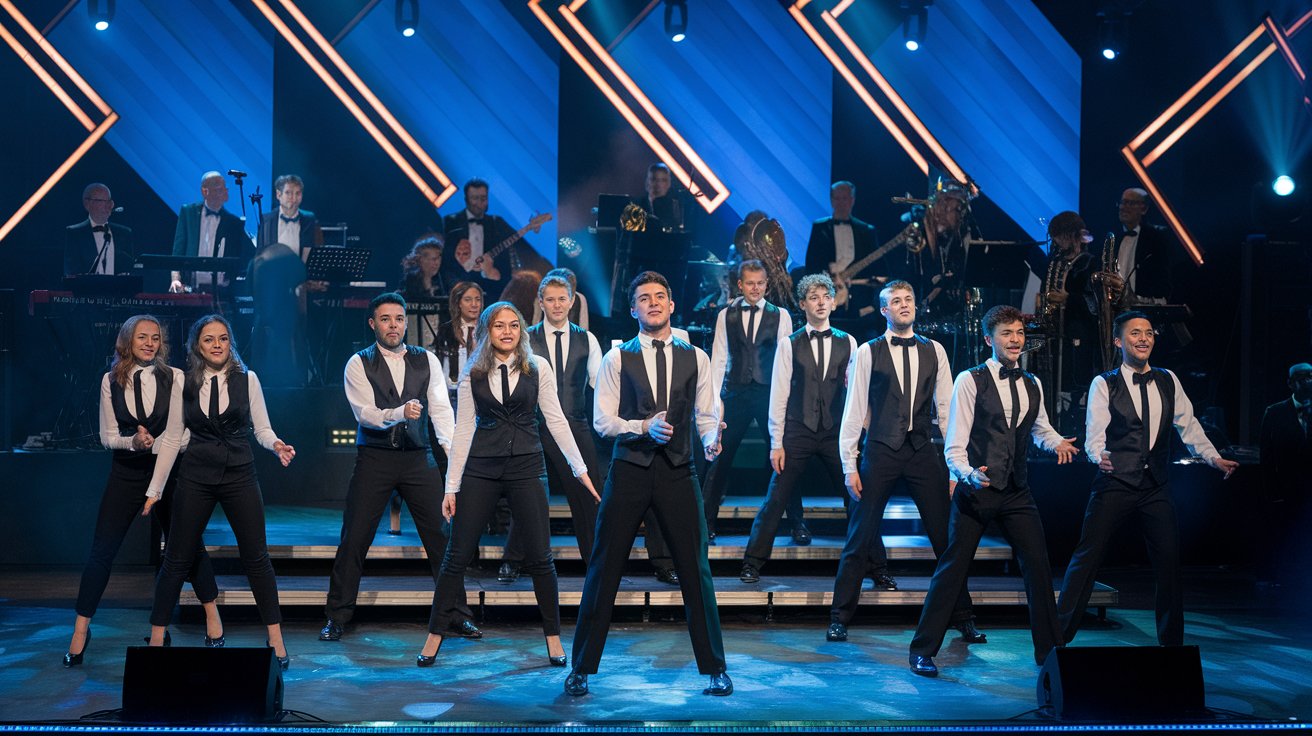
Show choir is a dynamic performance ensemble that combines choral singing with choreographed dance movements and theatrical elements to create entertaining musical productions. Unlike traditional choirs that stand still while singing, show choir groups perform synchronized dance routines while maintaining vocal excellence, creating a high-energy spectacle that has captivated audiences across the United States since the 1970s. This unique art form has experienced remarkable growth in 2026, with over 3,800 active show choir programs nationwide serving approximately 175,000 students annually.
Understanding the Meaning and Definition of Show Choir
Show choir represents a specialized performance ensemble where vocalists execute complex choreography while singing multi-part harmonies. The meaning of show choir extends beyond simple entertainment—it encompasses artistic expression, athletic performance, and musical excellence simultaneously. These groups typically consist of 20 to 60 members who rehearse extensively to perfect both vocal and dance elements, creating seamless integration between movement and music.
The core components that define show choir include synchronized choreography performed by all singers, the use of pop, rock, and Broadway-style repertoire rather than classical music, incorporation of elaborate costumes and staging, and competitive performances judged on vocals, choreography, and overall effect. In 2026, approximately 68% of show choir programs in the United States are based in high schools, with middle school and community programs comprising the remainder. The art form has evolved to include increasingly sophisticated production values, with many groups utilizing live bands, complex lighting designs, and theatrical props.
The History and Evolution of Show Choir in America
Show choir originated in the United States during the late 1960s and early 1970s, emerging from traditional glee clubs that began incorporating movement into their performances. The first recognized show choir competition took place in 1974 in Southern California, establishing a framework that would define the competitive circuit. Throughout the 1980s and 1990s, the activity expanded rapidly across the Midwest, particularly in states like Iowa, Indiana, and Ohio, where it became deeply embedded in school culture.
By 2026, the landscape has transformed dramatically. The number of competitions nationwide has grown to over 240 annual events, with major invitationals attracting 30-40 groups each. Technology integration has revolutionized rehearsal methods, with groups using motion-capture analysis, vocal editing software, and virtual reality staging tools. The repertoire has expanded beyond traditional show tunes to include contemporary pop hits, cinematic arrangements, and original compositions specifically written for show choir performance. Prize packages at premier competitions now exceed $50,000 in scholarships and equipment, reflecting the professionalization of the activity.
Is Show Choir Like Glee? Separating Fiction from Reality
The question “is show choir like Glee?” remains one of the most common inquiries about the activity, even in 2026. The popular television series, which aired from 2009 to 2015, brought show choir into mainstream consciousness but presented a dramatized version that differs significantly from actual programs. While Glee successfully showcased the emotional connections and performance excitement inherent to show choir, it took creative liberties that don’t reflect typical experiences.
Real show choir programs require substantially more rehearsal time than depicted on television—most competitive groups practice 8-15 hours weekly during competition season, compared to the casual rehearsals shown in Glee. The competitive structure is more extensive, with groups typically attending 4-8 competitions per season rather than the occasional competitions featured in the show. Actual show choir repertoire undergoes months of refinement, with professional choreographers often hired at costs ranging from $3,000 to $15,000 per season. Despite these differences, Glee’s cultural impact positively influenced show choir enrollment, with many programs reporting 20-35% membership increases during and immediately following the show’s run, effects that have sustained through thoughtful program development into 2026.
Is Show Choir Still a Thing in 2026?
Absolutely—show choir is still a thing and thriving more vigorously than ever in 2026. Far from being a passing trend, the activity has demonstrated remarkable resilience and growth, particularly following the challenges posed by the 2020-2022 pandemic years. Current participation statistics reveal that show choir membership has reached all-time highs, with approximately 175,000 active participants nationwide, representing a 23% increase from 2019 levels.
Several factors contribute to the continued vitality of show choir in 2026. The rise of social media platforms has enabled groups to share performances instantly, with viral videos regularly accumulating millions of views and attracting new participants. Streaming coverage of major competitions now reaches global audiences, with the FAME National Championship broadcast attracting over 2.3 million viewers in 2025. Universities have expanded scholarship opportunities for show choir participants, with over 140 colleges now offering specific awards for experienced performers. The activity has also diversified geographically, with emerging programs in previously underrepresented regions including the Pacific Northwest, Mountain West, and Deep South, creating a truly national footprint.
Show Choir Components: Vocals, Choreography, and Production
Successful show choir performance demands mastery across multiple artistic disciplines simultaneously. The vocal component forms the foundation, requiring singers to maintain proper breath support, pitch accuracy, and blend while executing physically demanding choreography. In 2026, competitive groups typically feature 4-8 part harmonies, with arrangements becoming increasingly complex to showcase technical prowess. Many programs now employ vocal coaches separately from choreographers, investing $5,000-$12,000 annually in specialized instruction.
The choreography element has evolved to incorporate diverse dance styles including jazz, contemporary, hip-hop, and ballroom techniques. Modern show choir choreography requires cardiovascular endurance equivalent to competitive athletics, with performers covering an average of 1.2 miles of movement during a typical 15-minute competition set. Production values have escalated significantly, with top-tier groups utilizing custom-designed costumes costing $250-$500 per member, professional lighting rigs valued at $30,000-$80,000, and multimedia elements including projection mapping and LED technology. The integration of live bands has become standard at the highest competitive levels, adding 8-12 additional performers and requiring sophisticated sound engineering to balance amplified vocals with instrumental accompaniment.
Is Show Choir Considered Theater? The Artistic Classification
The question “is show choir considered theater?” highlights the interdisciplinary nature of this performance art. Show choir occupies a unique space that blends elements of musical theater, concert choir, and competitive dance, making simple classification challenging. While it incorporates theatrical storytelling, character development, and dramatic staging similar to musical theater productions, it maintains distinct characteristics that set it apart.
From an academic and competitive perspective, show choir is classified as a distinct performing arts discipline rather than a subset of theater. Educational standards in 2026 recognize it within fine arts curricula, with 42 states now including show choir in their performing arts graduation requirements. The activity receives separate adjudication criteria at competitions, evaluated on vocal technique (typically 40% of total score), visual performance including choreography and staging (35%), and overall effect encompassing theme development and entertainment value (25%). Many universities now offer dedicated show choir courses within their music education programs, with 67 institutions providing specialized training for future directors. The National Association for Music Education officially recognizes show choir as a legitimate musical ensemble category, distinct from but complementary to traditional theater programs.
Show Choir Competition Structure and Circuit
The competitive landscape of show choir in 2026 operates through a well-established circuit of regional and national events. Competitions typically occur on Saturdays from January through April, with groups traveling extensively to participate in prestigious invitationals. The structure includes preliminary rounds where all groups perform, followed by finals featuring the top 5-10 ensembles based on preliminary scores. Show choir competitions employ panels of 5-9 judges who evaluate performances using standardized rubrics, with scores compiled electronically in real-time.
Major competition circuits include FAME (Show Choir Camps and Competitions), which hosts 22 regional events and the National Championship; Heart of America, operating primarily in the Midwest with 18 annual competitions; and ShowChoir Camps of America, featuring 15 events across multiple states. Entry fees for competitive show choir groups range from $350 to $850 per competition, with top programs budgeting $40,000-$85,000 annually for travel, fees, and associated costs. The competitive season culminates in national championship events held in major cities, with the FAME National Championship in Chicago attracting 40-45 finalist groups and awarding over $100,000 in scholarships and prizes. Division structures separate groups by school size and competitive experience, ensuring equitable competition across varying program resources.
Benefits and Skills Developed Through Show Choir Participation
Participation in show choir develops an exceptional range of transferable skills valued in both academic and professional contexts. Research conducted by the National Association for Music Education in 2025 demonstrated that show choir participants scored an average of 127 points higher on SAT exams compared to non-participating peers, attributed to enhanced discipline, time management, and cognitive processing abilities developed through the demanding rehearsal schedule.
The physical benefits of show choir participation rival those of traditional athletics. Members typically burn 400-600 calories per hour during rehearsals, improving cardiovascular health, muscular endurance, and flexibility. The activity reduces stress and anxiety, with 78% of participants reporting improved mental health outcomes in a 2025 survey conducted across 200 programs nationwide. Beyond physical wellness, show choir cultivates essential soft skills including collaboration, leadership, public speaking confidence, and creative problem-solving. Members develop resilience through performance pressure, learning to manage pre-performance anxiety and recover from mistakes in real-time. The social bonds formed within show choir create supportive peer networks, with 84% of alumni reporting that friendships formed during their participation remained significant five years post-graduation.
Starting and Running a Show Choir Program
Establishing a successful show choir program requires strategic planning, adequate funding, and dedicated leadership. In 2026, startup costs for new programs typically range from $15,000 to $35,000, covering initial choreography fees, basic costumes, sound equipment, and competition entry fees. Directors must possess or develop expertise across multiple domains including vocal pedagogy, choreography, show design, and business management, with many pursuing specialized certification through organizations like the National Show Choir Association.
Sustainable show choir programs implement diverse fundraising strategies to offset operational costs. Successful groups in 2026 utilize corporate sponsorships ($5,000-$20,000 annually), community performances at private events ($1,500-$5,000 per appearance), annual showcases generating ticket revenue ($8,000-$25,000), and merchandise sales including performance recordings and apparel. Parent booster organizations play crucial roles, managing finances, coordinating travel logistics, and providing volunteer support for competitions and performances. Directors allocate 6-12 hours weekly to administrative tasks beyond rehearsal time, including music arrangement selection, budget management, student recruitment, and family communication. The most successful programs establish clear mission statements, maintain transparent financial practices, and create inclusive environments that prioritize student development over competitive outcomes while still pursuing excellence.
Show Choir Repertoire and Music Selection Trends
The show choir repertoire in 2026 reflects diverse musical influences while maintaining the energy and entertainment value essential to the art form. Contemporary competitive sets typically run 13-18 minutes and include 5-8 songs arranged around a cohesive theme or narrative arc. Popular themes include decades tributes (1980s, 1990s nostalgia), social commentary addressing current events, celebration of cultural diversity, and cinematic storytelling with movie soundtrack collections. Custom arrangements cost $400-$1,200 per song, with professional arrangers adapting popular music to suit specific group vocal ranges and competitive strategy.
Current musical trends favor genre-blending arrangements that transition seamlessly between contrasting styles, creating dynamic impact. The integration of original vocal percussion and beatboxing has become standard, with many groups featuring dedicated vocal percussionists who provide rhythmic foundation without instrumental accompaniment. Contemporary pop artists frequently represented in 2026 show choir sets include Sabrina Carpenter, Olivia Rodrigo, and The Weeknd, alongside enduring Broadway classics from Hamilton, Dear Evan Hansen, and contemporary productions. Approximately 35% of competitive groups now commission at least one entirely original composition per season, created specifically for their ensemble by professional composers. The rise of streaming platforms has accelerated repertoire turnover, with groups able to access and arrange trending songs within weeks of their release, keeping programs culturally relevant to student performers and audiences.
Show Choir Costumes and Visual Design Elements
Visual presentation forms a critical component of successful show choir performance, with costume design directly impacting audience engagement and competitive scores. In 2026, competitive groups typically invest $12,000-$30,000 in costumes per season, with top-tier programs budgeting up to $50,000 for multiple outfit changes and specialized designs. Professional costume designers command fees of $2,500-$8,000 for creating cohesive visual concepts that complement thematic elements while allowing full range of motion for choreography.
Modern show choir costumes incorporate technical fabrics that wick moisture, maintain appearance under stage lighting, and endure repeated washing—essential given that performers may wear costumes for 12-15 hours during all-day competitions. Quick-change capabilities have become standard, with groups executing complete costume transformations in 30-90 seconds between songs using strategically designed garments with magnetic closures, break-away panels, and layered construction. Color psychology influences design choices, with directors selecting palettes that evoke specific emotional responses—energetic reds and oranges for upbeat numbers, sophisticated blacks and metallics for contemporary pieces, and vibrant multi-color schemes for celebratory themes. The incorporation of LED technology into costumes has emerged as a cutting-edge trend, with some groups featuring light-up accessories, illuminated props, and even electroluminescent wire integrated into garment construction, creating stunning visual effects in blackout staging moments.
The Future of Show Choir: Trends and Innovations Through 2030
The trajectory of show choir heading toward 2030 points toward continued technological integration, expanded accessibility, and elevated artistic standards. Virtual and augmented reality technologies are beginning to revolutionize rehearsal methods, with groups using VR headsets to practice formations and spacing in virtual environments before accessing physical rehearsal space. Artificial intelligence is assisting with choreography development, analyzing movement efficiency and suggesting optimizations based on biomechanical data, though human creativity remains central to artistic vision.
Accessibility initiatives are expanding show choir participation to underserved communities through scholarship programs, equipment lending libraries, and partnership models connecting established programs with emerging groups. Organizations like the National Show Choir Foundation have awarded over $2.3 million in grants since 2024, specifically targeting schools in economically disadvantaged areas. The artistic standards continue rising, with competitive groups now expected to demonstrate mastery across increasingly diverse skill sets including advanced partnering, aerial elements, and instrumental performance incorporated directly into choreography. Environmental sustainability has become a priority, with programs adopting reusable costume systems, carbon-offset travel programs, and digital programs replacing printed materials at competitions. The globalization of show choir is accelerating, with active programs now operating in Canada, Australia, and the United Kingdom, creating opportunities for international exchange and competition that will further enrich the art form’s development throughout the coming decade.
Related video about what is show choir
This video complements the article information with a practical visual demonstration.
Essential Q&A about what is show choir
What is the meaning of show choir and how is it different from regular choir?
The meaning of show choir refers to a performance ensemble that combines choral singing with choreographed dance movements and theatrical elements. Unlike regular choir where singers stand relatively still and focus solely on vocal performance, show choir members execute synchronized dance routines while singing complex harmonies. Traditional choirs typically perform classical or sacred music, while show choir repertoire features pop, rock, and Broadway-style arrangements. Show choir also emphasizes visual entertainment through costumes, staging, and often competitive performance, whereas regular choirs focus primarily on vocal technique and musical interpretation. In 2026, approximately 175,000 students participate in show choir programs across the United States, making it one of the fastest-growing performing arts activities.
Is show choir still a thing in schools today?
Yes, show choir is still a thing and experiencing significant growth in 2026. Current data shows over 3,800 active programs nationwide, representing a 23% increase from pre-pandemic levels in 2019. The activity has expanded beyond its traditional Midwest stronghold into all regions of the United States, with emerging programs in the Pacific Northwest, Mountain West, and Deep South. Over 240 competitions occur annually, and social media has amplified visibility, with performance videos regularly reaching millions of viewers. Universities now offer over $3.5 million in annual scholarships specifically for experienced show choir participants, and 140 colleges provide dedicated awards. The activity’s combination of music, dance, and athletic performance continues attracting students seeking comprehensive performing arts experiences, ensuring its vitality for the foreseeable future.
Is show choir considered theater or is it a separate performing art?
While show choir incorporates theatrical elements like storytelling, character development, and dramatic staging, it is classified as a distinct performing arts discipline rather than a subset of theater. Educational standards recognize show choir within fine arts curricula as a unique ensemble category that blends elements of musical theater, concert choir, and competitive dance. Competition judging criteria evaluate vocal technique (typically 40% of scores), visual performance including choreography (35%), and overall effect (25%), using standards different from theater adjudication. The National Association for Music Education officially recognizes show choir as a legitimate musical ensemble category, and 67 universities now offer dedicated courses in show choir pedagogy and direction. In 2026, 42 states include show choir in their performing arts graduation requirements as a standalone category, confirming its status as an independent art form.
Is show choir like Glee or does the TV show accurately represent the activity?
The question “is show choir like Glee?” reveals significant differences between the television portrayal and actual programs. While Glee successfully captured the emotional connections and performance excitement of show choir, it dramatized many aspects that don’t reflect typical experiences. Real competitive groups rehearse 8-15 hours weekly during competition season, far more than depicted in the show. Actual programs attend 4-8 competitions per season with extensive travel, compared to Glee’s occasional competitions. Professional choreographers typically cost $3,000-$15,000 per season, and repertoire undergoes months of refinement rather than the quick turnarounds shown on television. Despite these differences, Glee positively impacted show choir enrollment, with many programs reporting 20-35% membership increases during the show’s run. The series succeeded in showcasing the transformative personal experiences participants enjoy, even if competition logistics and rehearsal intensity were simplified for entertainment purposes.
How much does it cost to participate in show choir?
The cost of show choir participation varies significantly based on program competitiveness and travel scope. In 2026, typical annual costs range from $800 to $3,500 per student, covering competition fees ($350-$850 per event), costumes ($250-$500), travel expenses for 4-8 competitions, and fundraising requirements. Top-tier competitive programs may require $4,000-$6,000 annually when including optional choreography camps, private voice lessons, and extensive travel to national competitions. Many programs offer payment plans, scholarship assistance, and fundraising opportunities to offset costs, with successful groups raising $30,000-$60,000 annually through corporate sponsorships, community performances, and merchandise sales. Approximately 65% of programs in 2026 provide need-based financial assistance to ensure accessibility regardless of family economic circumstances. Initial investments for new participants typically include performance shoes ($40-$80) and basic rehearsal attire, with most other expenses managed collectively through the program budget.
What skills do you develop by participating in show choir?
Participation in show choir develops an exceptional range of transferable skills valued in academic and professional contexts. Physically, members improve cardiovascular endurance, flexibility, and coordination through choreography that burns 400-600 calories per hour during rehearsals. Vocally, participants develop proper breathing technique, pitch accuracy, and the ability to blend harmonies while maintaining individual vocal health. Research from the National Association for Music Education in 2025 showed show choir participants scored an average of 127 points higher on SAT exams compared to non-participating peers. Critical soft skills include time management, collaboration, leadership, public speaking confidence, and creative problem-solving. The activity builds resilience through performance pressure, teaching students to manage anxiety and recover from mistakes in real-time. Social-emotional benefits include reduced stress and anxiety, with 78% of participants reporting improved mental health outcomes in 2025 surveys, and lasting friendships that 84% of alumni report remaining significant five years after graduation.
| Show Choir Aspect | Key Details (2026 Data) | Primary Benefits |
|---|---|---|
| Participation Scale | 175,000 active members in 3,800 programs across all 50 states | Widespread accessibility and diverse community connections |
| Performance Components | Synchronized choreography, 4-8 part vocal harmonies, theatrical staging | Comprehensive artistic development across multiple disciplines |
| Competitive Structure | 240+ annual competitions with judging on vocals (40%), visuals (35%), effect (25%) | Objective skill assessment and scholarship opportunities exceeding $3.5M annually |
| Annual Costs | $800-$3,500 per student including competitions, costumes, travel | Financial assistance available in 65% of programs ensuring accessibility |
| Time Commitment | 8-15 hours weekly rehearsal during competition season (January-April) | Enhanced time management skills and academic performance (127-point average SAT advantage) |
| Physical Demands | 400-600 calories burned per rehearsal hour, 1.2 miles of movement per 15-minute set | Improved cardiovascular health, endurance, and 78% report better mental health |
| Career Pathways | 140 colleges offer dedicated scholarships, 67 universities provide show choir courses | Direct educational opportunities and professional development in performing arts |