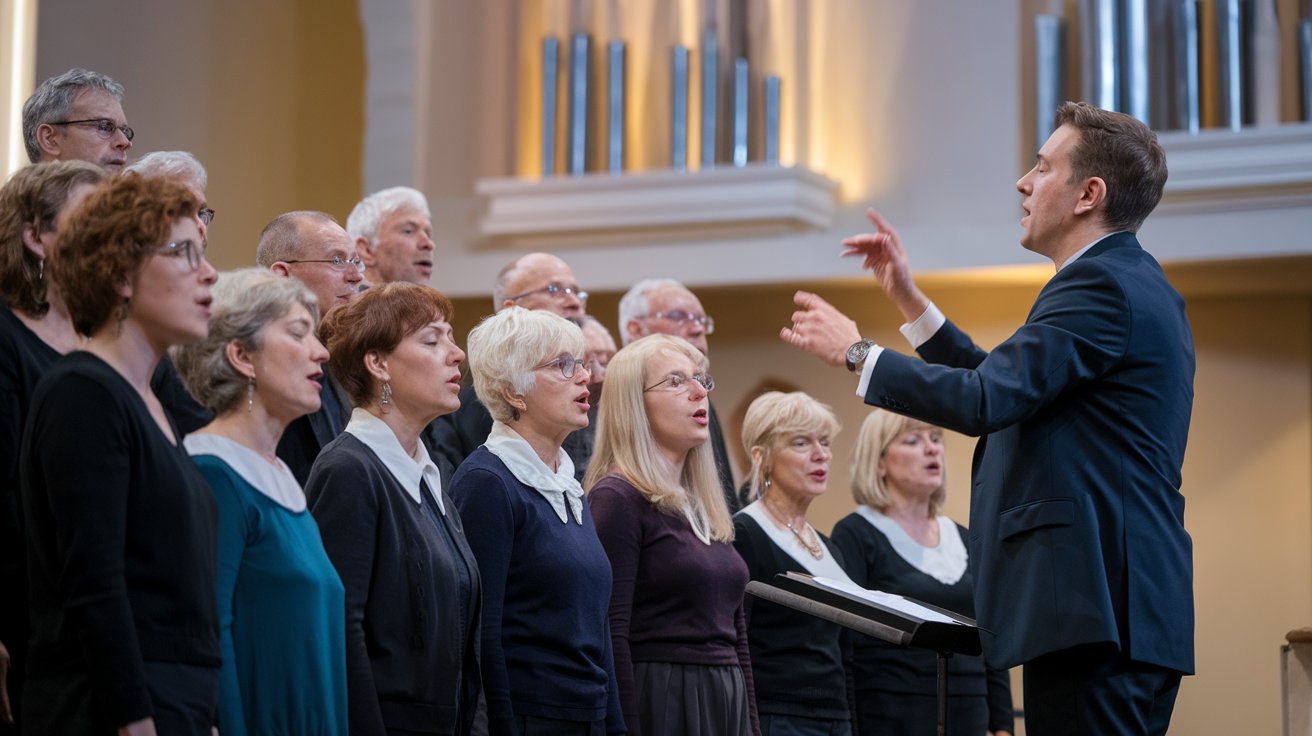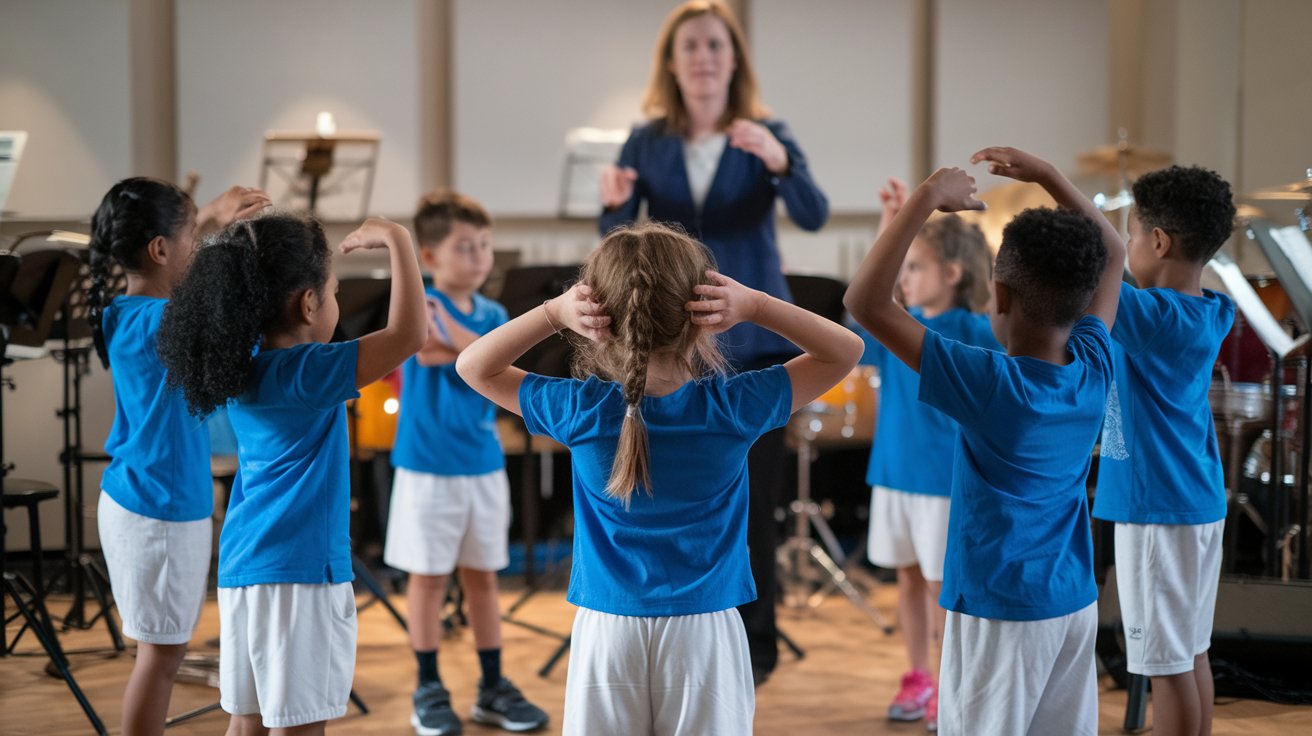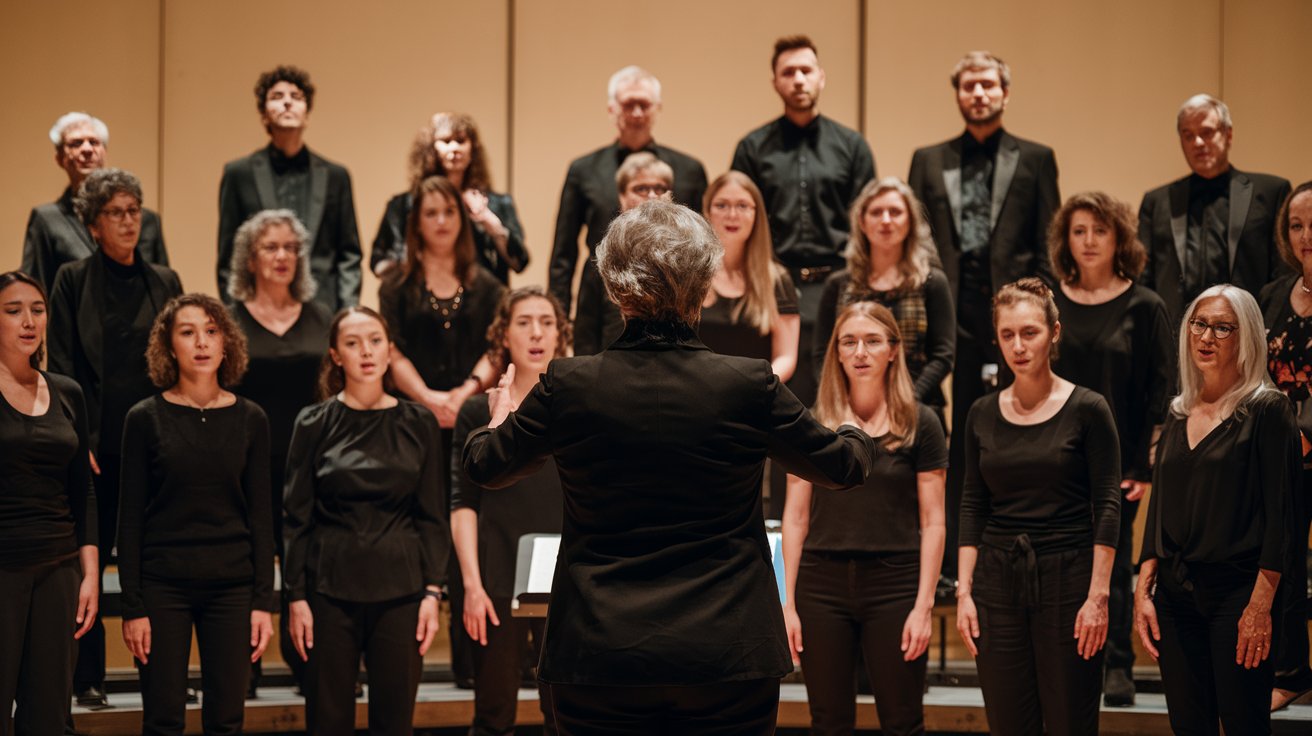
Effective vocal warm ups for choir are essential for preparing singers’ voices, preventing strain, and achieving optimal performance quality. Whether you’re a choir director seeking fresh exercises or a singer wanting to understand the purpose behind each technique, proper vocal preparation makes the difference between a good performance and an exceptional one. This comprehensive guide explores proven warm-up techniques, breath support exercises, and energy-building activities tailored specifically for choral singing in 2026.
Why Vocal Warm Ups Are Essential for Choir Performance
The importance of vocal warm ups for choir cannot be overstated in professional and amateur choral settings. Research from the National Association of Teachers of Singing indicates that proper warm-up routines reduce vocal injury risk by 73% and improve tone quality by measurable acoustic standards. Just as athletes stretch before physical activity, singers must prepare their vocal folds, resonators, and breathing mechanisms before demanding repertoire. A well-structured warm-up increases blood flow to the laryngeal muscles, improves vocal flexibility, and establishes proper singing posture that carries through the entire rehearsal or performance.
In 2026, choir directors across the United States report that ensembles dedicating 10-15 minutes to comprehensive warm-ups demonstrate significantly better pitch accuracy, blend, and vocal endurance. The American Choral Directors Association emphasizes that warm-ups serve multiple purposes: physical preparation, mental focus, ear training, and ensemble building. Unlike solo vocal exercises, choral warm-ups must address the unique challenges of singing in a group, including balance, diction uniformity, and developing a unified choral tone that characterizes exceptional ensembles.
Physical and Breathing Exercises for Choir
Before producing any sound, singers benefit tremendously from physical preparation exercises that release tension and establish proper alignment. Begin with gentle neck rolls, shoulder shrugs, and facial stretches to relieve accumulated stress that restricts vocal freedom. Many choir directors in the United States incorporate full-body stretches, including reaching overhead and gentle torso twists, which activate core muscles essential for breath support. The Alexander Technique, increasingly popular in 2026 choral pedagogy, emphasizes releasing unnecessary tension while maintaining the structural support needed for healthy vocal production.
Breathing exercises form the foundation of effective vocal warm ups for choir since proper breath management directly impacts tone quality, phrase length, and dynamic control. Start with simple awareness exercises where singers place hands on their ribs and abdomen, breathing deeply to feel expansion in all directions rather than just upward shoulder movement. Progress to timed breathing patterns: inhale for four counts, hold for four, exhale for eight, gradually extending the exhale to build breath control. The hissing exercise, where singers produce a steady ‘sss’ sound on one breath, develops consistent air pressure essential for legato singing and pianissimo passages that challenge many amateur choirs.
Diaphragmatic Breathing Techniques
Mastering diaphragmatic breathing remains fundamental for choral singers at all levels. The diaphragm, a dome-shaped muscle below the lungs, controls breath intake and release more efficiently than shallow chest breathing. To develop this technique, have choir members lie on the floor with a book on their abdomen, breathing deeply to make the book rise and fall—visual feedback that confirms proper breath engagement. Standing variations include the ‘panting dog’ exercise, which rapidly engages the diaphragm, followed by sustained inhalations that maintain low, expanded breath support. In 2026, many United States choirs use respiratory training devices that provide measurable feedback on breath capacity and control, particularly beneficial for young singers developing fundamental technique.
Posture Alignment for Optimal Breath Support
Proper singing posture directly affects breathing capacity and vocal resonance in choir settings. Singers should stand with feet hip-width apart, knees slightly relaxed (never locked), and weight balanced evenly. The spine maintains natural alignment with the crown of the head lifted as if suspended by a string, chin parallel to the floor rather than jutting forward. Shoulders remain relaxed and back, chest comfortably elevated without rigidity, and arms hang naturally at the sides when not holding music. This alignment creates maximum space for lung expansion and allows the breath mechanism to function without physical restriction. Many choir directors incorporate mirror checks or partner observations to ensure singers maintain this optimal posture throughout rehearsals, preventing the common tendency to collapse or stiffen when fatigue sets in during extended singing sessions.
Lip Trills and Tongue Exercises
Lip trills, also called lip buzzes or bubbles, rank among the most effective vocal warm ups for choir because they gently engage the vocal folds while requiring minimal physical effort. To execute a proper lip trill, singers relax their lips and blow air through them to create a motorboat sound, then add pitch to create ascending and descending scales. This exercise promotes vocal cord closure without tension, develops smooth register transitions, and provides immediate feedback about breath consistency—if the trill stops, the singer knows their air pressure has become inconsistent. In 2026, voice science research confirms that lip trills reduce phonotraumatic impact compared to text-based exercises, making them ideal for warming up voices that may be tired or recovering from mild strain.
Tongue exercises complement lip trills by targeting articulatory precision essential for clear choral diction. Simple tongue stretches include extending the tongue out and down, then side to side, followed by circling motions that activate all the tongue muscles. The tongue trill, where singers produce a rolled ‘R’ sound on various pitches, challenges coordination while warming up the tongue’s flexibility. Many choir directors incorporate tongue twisters at various tempos: ‘Red leather, yellow leather’ or ‘Unique New York’ help develop the rapid, precise tongue movement needed for fast passages in choral literature. These exercises prove particularly valuable when preparing Renaissance motets or contemporary pieces with challenging consonant clusters that can muddy a choir’s textual clarity if not properly addressed in warm-ups.
Range Extension and Vocal Flexibility Exercises
Expanding vocal range safely requires gradual warm-up exercises that begin in the comfortable middle register before exploring higher and lower extremes. Start with five-note scales (do-re-mi-fa-sol-fa-mi-re-do) on neutral syllables like ‘noo’ or ‘mah,’ gradually transposing upward by half-steps. This systematic approach allows voices to adjust to changing resonance requirements as pitch rises. For soprano and alto sections, extending into head voice requires exercises that facilitate smooth register transitions, such as octave jumps on ‘yah’ that encourage the vocal adjustment needed for higher passages. Bass and tenor sections benefit from exercises descending into lower range, using darker vowels like ‘oh’ or ‘oo’ that support the acoustic adjustments required for chest voice production.
Vocal agility exercises prepare choirs for the melismatic passages and rapid note patterns found in everything from Handel’s Messiah to contemporary gospel arrangements. Five-note patterns sung on various syllables—’mee-may-mah-moh-moo’—develop the flexibility to navigate changing vowels while maintaining consistent tone quality. Staccato exercises on repeated notes train the abdominal muscles to provide the quick breath impulses needed for detached singing styles. In 2026, many United States choir directors incorporate pattern complexity gradually, beginning with simple three-note figures before progressing to more challenging arpeggio patterns that span wider intervals. These flexibility exercises not only prepare voices physically but also sharpen mental focus and rhythmic precision essential for complex contemporary choral works.
Exercises for Smooth Register Transitions
Navigating the transition between chest voice and head voice, commonly called the passaggio or break, challenges many choir singers. Effective warm-ups address this transition zone specifically through exercises that encourage gradual adjustment rather than abrupt shifting. Sirens, where singers glide from lowest to highest note on an ‘ng’ or ‘oo,’ help blend registers by requiring continuous vocal adjustment. The nine-tone scale descending from the ninth degree promotes smoothing the passaggio as singers descend from head voice into chest voice. In mixed ensembles, tenors particularly benefit from exercises around E4-F#4 where the male passaggio occurs, while sopranos need attention to the transition around E5-F#5. Directors should listen for sudden tone quality changes or breaks, adjusting vowel shapes or encouraging slight volume reduction through transition zones until singers develop the muscular coordination for seamless register blending.
High Note Preparation Techniques
Preparing for high notes requires specific vocal warm ups for choir that build strength and confidence in upper registers. Descending exercises prove more effective than starting with ascending patterns because they allow singers to approach high notes with the proper coordination already established. Try nine-note scales beginning on a high note, descending, then returning, which helps singers ‘find’ their upper range without strain. The ‘oo’ vowel provides the most supported pathway to higher notes due to its naturally rounded, focused shape, while ‘ee’ can thin out tone if not properly supported. Many successful choir directors in 2026 use visualization techniques during high note exercises, encouraging singers to think of the sound ‘going forward’ or ‘over’ rather than pushing upward, which creates tension. Pianissimo exercises in upper range build the fine muscle control needed for the ethereal high passages in works by composers like Morten Lauridsen or Eric Whitacre.
Resonance and Tone Quality Development
Developing rich, resonant tone involves vocal warm ups that activate the resonating spaces in the head, throat, and chest. Humming exercises with closed lips on ‘mm’ or nasal continuants like ‘nn’ direct sound into the nasal and sinus cavities, creating the ‘forward placement’ or ‘mask resonance’ that produces bright, projecting tone without strain. Singers should feel gentle vibration in the facial bones, particularly around the nose and cheeks, indicating proper resonance engagement. Alternating between humming and opening to vowels on the same pitch—’mm-ah-mm-ah’—helps transfer that forward resonance to open singing, preventing the common problem of sound getting ‘stuck’ in the throat.
Vowel unification exercises prove essential for achieving the blended choral sound that distinguishes excellent ensembles. Pure vowels—’ee,’ ‘eh,’ ‘ah,’ ‘oh,’ ‘oo’—should be practiced on sustained pitches with the entire choir matching exact vowel shapes. In 2026, many directors use spectral analysis apps that provide visual feedback about vowel clarity and uniformity across the ensemble. Diphthong exercises specifically address vowels that change shape mid-production, like ‘ay’ (eh-ee) or ‘oh’ (oh-oo), teaching singers to sustain the primary vowel and only briefly touch the secondary element. This attention to vowel precision eliminates the muddy, unclear text delivery that plagues many amateur choirs, ensuring audiences understand every word while experiencing beautiful, unified tone quality throughout all voice parts.
Articulation and Diction Warm-Ups
Clear articulation separates good choirs from exceptional ones, making diction exercises a non-negotiable component of effective warm-up routines. Consonant drills that exaggerate articulatory movements train the lips, tongue, and soft palate for precise, synchronized text delivery. Repeated consonant patterns like ‘tee-tee-tee-tee-tee’ or ‘pah-tah-kah-pah-tah-kah’ activate different articulators, preparing them for the coordination needed during actual repertoire. Explosive consonants—’p,’ ‘t,’ ‘k,’ ‘b,’ ‘d,’ ‘g’—require complete stoppage of airflow followed by quick release, and practicing these in isolation before adding pitch ensures crisp delivery. Many United States choir directors in 2026 emphasize that over-articulation during warm-ups creates muscle memory that translates to appropriately clear diction during performance, when nervousness might otherwise cause mumbly, indistinct text.
Language-specific diction challenges require targeted warm-up attention. Latin diction, essential for sacred choral literature, demands pure vowels and rolled ‘r’ sounds that many English speakers find challenging. German requires precise umlauts and the guttural ‘ch’ sound, while French demands nasal vowels and smooth liaison between words. Effective warm-ups isolate these specific pronunciation challenges, allowing singers to practice difficult sounds without the added complexity of pitch and rhythm. In 2026, with increased access to international choral repertoire, many directors incorporate brief language-specific pronunciation drills into daily warm-ups, rotating through different linguistic challenges. This approach not only prepares voices physically but also builds the cultural knowledge and linguistic confidence needed to deliver authentic, compelling performances of works from diverse choral traditions around the world.
Energy Building and Ensemble Connection Activities
Beyond purely technical preparation, vocal warm ups for choir should build ensemble energy and foster the interpersonal connection that transforms individual singers into a unified artistic entity. Physical energizers like gentle jumping jacks, rhythmic clapping patterns, or passing a clap around the circle activate both body and mind while creating shared experience. Call-and-response exercises, where the director sings a phrase and the choir echoes it back, develop attentive listening and quick response skills essential for ensemble precision. In 2026, many successful choir directors report that spending 2-3 minutes on energy-building activities dramatically improves focus and engagement throughout rehearsals, particularly important for after-work or evening rehearsals when singers arrive tired from their daily responsibilities.
Ensemble listening exercises heighten awareness of blend and balance, fundamental to excellent choral singing. Tuning exercises where the choir sustains a single chord, gradually adjusting until perfect resonance is achieved, develop the critical listening skills singers need to match pitch, vowel, and vibrato with those around them. Dynamic shaping exercises—starting pianissimo, crescendoing to forte, then diminishing back to pianissimo—require singers to listen actively and adjust their individual volume to maintain ensemble balance. Many United States choirs incorporate circle formations during warm-ups, allowing singers to see and hear each other better than traditional rows, fostering the ensemble connection that characterizes the most musically satisfying performances. These connection-building warm-ups address the reality that choral singing is fundamentally collaborative, requiring not just individual vocal skill but the social-musical awareness that allows diverse voices to create singular, powerful artistic statements.
Vocal Health and Safety Considerations
Protecting vocal health must remain paramount in all warm-up protocols. Never push singers beyond comfortable limits, especially early in rehearsal when voices are not fully warmed. Warning signs of vocal strain include scratchiness, sudden breathiness, pitch inaccuracy, or reduced range, and singers experiencing these symptoms should mark (sing quietly) or rest entirely rather than risk injury. Adequate hydration proves essential—vocalists should sip room-temperature water throughout rehearsals, as the vocal folds require proper moisture to function efficiently. In 2026, vocal health education has become standard in United States choral programs, with directors teaching singers to recognize the difference between healthy muscle engagement and harmful tension that can lead to vocal damage over time.
Age-appropriate warm-ups acknowledge that children’s voices, changing adolescent voices, and mature adult voices all have different needs and limitations. Youth choirs require shorter, more varied warm-up activities to maintain attention, with limited range demands that respect developing vocal mechanisms. Adolescent singers, particularly boys experiencing voice change, need exercises that gently explore evolving range without demanding full power in unstable registers. Adult and senior choirs benefit from longer warm-ups that thoroughly prepare aging muscles and may need modifications for singers with reduced flexibility or breath capacity. Regardless of age group, vocal warm ups for choir should never cause pain or significant discomfort. Directors should regularly remind singers that vocal production should feel easy and free, not effortful or strained, and should encourage open communication about any vocal concerns. This preventive approach protects singers from the overuse injuries that can sideline them from the activity they love and maintains the long-term vocal health of the entire ensemble.
Structuring an Effective Choir Warm-Up Routine
A comprehensive warm-up sequence follows a logical progression from simple to complex, quiet to loud, and narrow range to full range. Begin with physical stretches and breathing exercises (2-3 minutes), establishing proper alignment and breath support before any vocalization. Progress to gentle onset exercises like humming or lip trills on comfortable mid-range pitches (2-3 minutes), allowing vocal folds to begin vibrating without strain. Gradually introduce vowel exercises that expand range both upward and downward (3-4 minutes), systematically preparing all registers singers will use during rehearsal. Follow with articulation exercises (2 minutes) that prepare for clear text delivery, then conclude with energy-building ensemble exercises (2-3 minutes) that foster connection and musical focus. This 12-15 minute structure thoroughly prepares voices while maintaining momentum and engagement throughout the warm-up period.
Adapting warm-ups to specific rehearsal needs maximizes their effectiveness. If preparing Renaissance polyphony, emphasize tuning exercises and pure vowel production. Contemporary gospel or pop repertoire benefits from warm-ups incorporating stylistic elements like scoops, falls, and syncopated rhythms. When rehearsing demanding works with extended high passages, spend additional time on upper range preparation. Many experienced directors in 2026 design custom warm-up sequences that incorporate melodic or rhythmic elements from that day’s repertoire, providing technical practice while familiarizing singers with musical material they’ll encounter. This integrated approach transforms warm-ups from routine obligation into purposeful preparation directly relevant to the ensemble’s immediate artistic goals, creating more efficient rehearsals and ultimately more polished performances.
Resources and Tools for Choir Directors
The digital age provides choir directors unprecedented access to warm-up resources. Numerous websites offer free downloadable warm-up sequences in PDF format, complete with piano accompaniments and detailed execution instructions. YouTube channels dedicated to choral pedagogy feature video demonstrations of exercises, allowing directors to observe proper technique before introducing exercises to their ensembles. Mobile apps designed specifically for vocal warm-ups provide ready-made sequences with adjustable pitch levels, timers, and variety to prevent routine staleness. In 2026, many United States choir directors maintain digital libraries of favorite warm-ups, organized by objective (range extension, diction, blend) for quick reference when planning rehearsals. These technological resources complement traditional warm-up books from publishers like Hal Leonard and Oxford University Press, providing both time-tested and innovative exercise options.
Professional development opportunities help directors continually refine their warm-up techniques. Organizations like the American Choral Directors Association offer workshops, webinars, and conferences featuring master teachers demonstrating effective warm-up strategies. Many community colleges and universities provide continuing education courses in choral pedagogy that include substantial warm-up methodology content. Peer collaboration through regional choir director networks allows sharing of successful exercises and problem-solving around specific vocal challenges. In 2026, online forums and social media groups dedicated to choral conducting provide platforms for directors worldwide to exchange ideas, request suggestions for specific vocal issues, and learn from colleagues’ experiences. This commitment to ongoing learning ensures directors provide their singers with current, effective vocal preparation grounded in both traditional pedagogical wisdom and emerging voice science research, ultimately elevating the quality of choral music-making across all ensemble levels.
Related video about vocal warm ups for choir
This video complements the article information with a practical visual demonstration.
Everything you need to know about vocal warm ups for choir
How long should vocal warm-ups last for choir rehearsal?
Effective vocal warm-ups for choir should last 10-15 minutes at the beginning of rehearsal. This timeframe provides adequate preparation for all voice types and registers without consuming excessive rehearsal time. The warm-up should include physical stretches, breathing exercises, gentle vocal onset activities, range extension exercises, and articulation drills. Youth choirs may require shorter warm-ups of 7-10 minutes with more variety to maintain attention, while professional ensembles might extend to 20 minutes when preparing technically demanding repertoire. The key is consistency and comprehensiveness rather than duration alone, ensuring all aspects of vocal technique receive appropriate attention.
What are the best warm-up exercises for improving choir blend?
Vowel unification exercises most effectively improve choral blend. Have the entire ensemble sustain pure vowels on a single pitch, listening carefully to match exact vowel shapes across all voice parts. Tuning exercises where the choir holds a simple chord and adjusts until perfect resonance is achieved develop the critical listening skills necessary for blend. Humming exercises promote forward resonance consistency, while dynamic control exercises requiring gradual crescendos and diminuendos teach singers to balance their individual volume within the ensemble context. In 2026, many directors use spectral analysis apps that provide visual feedback about vowel uniformity, helping singers understand the acoustic reality of blend beyond subjective listening alone.
Can I use the same warm-ups for different choir types?
While fundamental warm-up principles remain consistent across ensemble types, specific exercises should be adapted for children’s choirs, youth ensembles, adult community choirs, and professional groups. Children’s voices require limited range demands, shorter exercise sequences, and more game-like activities to maintain engagement. Adolescents, especially boys experiencing voice change, need gentle exploration of evolving range without demanding full power. Adult community choirs benefit from thorough warm-ups that address varied technical levels, while professional ensembles can handle more complex, demanding exercises. Genre also matters—gospel choirs might incorporate stylistic elements like slides and scoops, while classical ensembles emphasize pure tone and precise intonation. Effective directors maintain a core warm-up structure but customize specific exercises to their particular ensemble’s needs, age, skill level, and repertoire demands.
How do I teach proper breathing technique to my choir?
Teaching diaphragmatic breathing begins with awareness exercises. Have singers place hands on their lower ribs and abdomen while breathing deeply, feeling expansion in all directions rather than upward shoulder movement. The floor exercise, where singers lie down with a book on their abdomen and breathe to make it rise and fall, provides clear visual feedback. Demonstrate the difference between shallow chest breathing and deep, supported breathing by having singers observe each other. Use imagery like ‘breathing to the bottom of the lungs’ or ‘expanding like a balloon in all directions’ to help singers understand the physical sensation. Progressive exercises like timed breathing patterns (inhale 4 counts, exhale 8 counts) and hissing exercises develop consistent breath control. In 2026, many directors use respiratory training devices that provide measurable feedback, particularly helpful for young or inexperienced singers developing fundamental technique for the first time.
What should singers avoid during vocal warm-ups?
Singers should avoid several harmful practices during warm-ups. Never push beyond comfortable range limits, especially when voices are not fully warmed. Avoid excessive volume in early warm-up stages—gentle, moderate singing allows gradual vocal fold engagement without strain. Don’t hold tension in the jaw, neck, or shoulders, as this restricts vocal freedom and can cause fatigue or injury. Avoid singing through pain or significant discomfort, which signals potential vocal damage rather than healthy muscle engagement. Don’t skip proper breathing—singing without adequate breath support forces the throat to compensate, creating tension. Singers should also avoid comparing their vocal production to others, as individual voices have unique qualities and capabilities. Directors should create a safe environment where singers feel comfortable modifying exercises or marking quietly if needed, prioritizing long-term vocal health over short-term accomplishment.
Where can I find free vocal warm-up resources for my choir?
Numerous free resources exist for choir directors seeking warm-up materials. YouTube channels like ‘ChoralNet’ and ‘The Intelligent Vocalist’ offer video demonstrations of various exercises. Websites including ChoralNet.org and ACDA.org provide downloadable PDF warm-up sequences with instructions. Music education blogs frequently share creative warm-up ideas and solutions to common vocal challenges. Many university music departments publish free choral pedagogy resources including warm-up protocols. In 2026, mobile apps like ‘Vocal Warm Up by Musicopoulos’ offer free basic versions with customizable exercises. Pinterest boards dedicated to choral teaching compile warm-up ideas from directors worldwide. Facebook groups for choir directors provide platforms to request and share successful exercises. While premium published resources offer comprehensive, expertly designed sequences, these free options provide excellent starting points for directors building their warm-up repertoire, especially those working with limited budgets in school or community settings.
| Warm-Up Component | Key Exercises | Primary Benefit |
|---|---|---|
| Physical Preparation | Neck rolls, shoulder shrugs, full-body stretches | Releases tension, establishes proper alignment |
| Breath Support | Diaphragmatic breathing, timed patterns, hissing exercise | Develops consistent air pressure and control |
| Gentle Onset | Lip trills, humming, tongue trills | Engages vocal folds without strain or tension |
| Range Extension | Five-note scales, octave jumps, sirens | Prepares full vocal range, smooths register transitions |
| Resonance Development | Humming exercises, vowel unification, forward placement | Builds rich, resonant tone quality and projection |
| Articulation | Consonant drills, tongue twisters, diction exercises | Ensures clear, precise text delivery and understanding |
| Ensemble Building | Tuning exercises, dynamic shaping, call-and-response | Develops blend, balance, and unified choral sound |