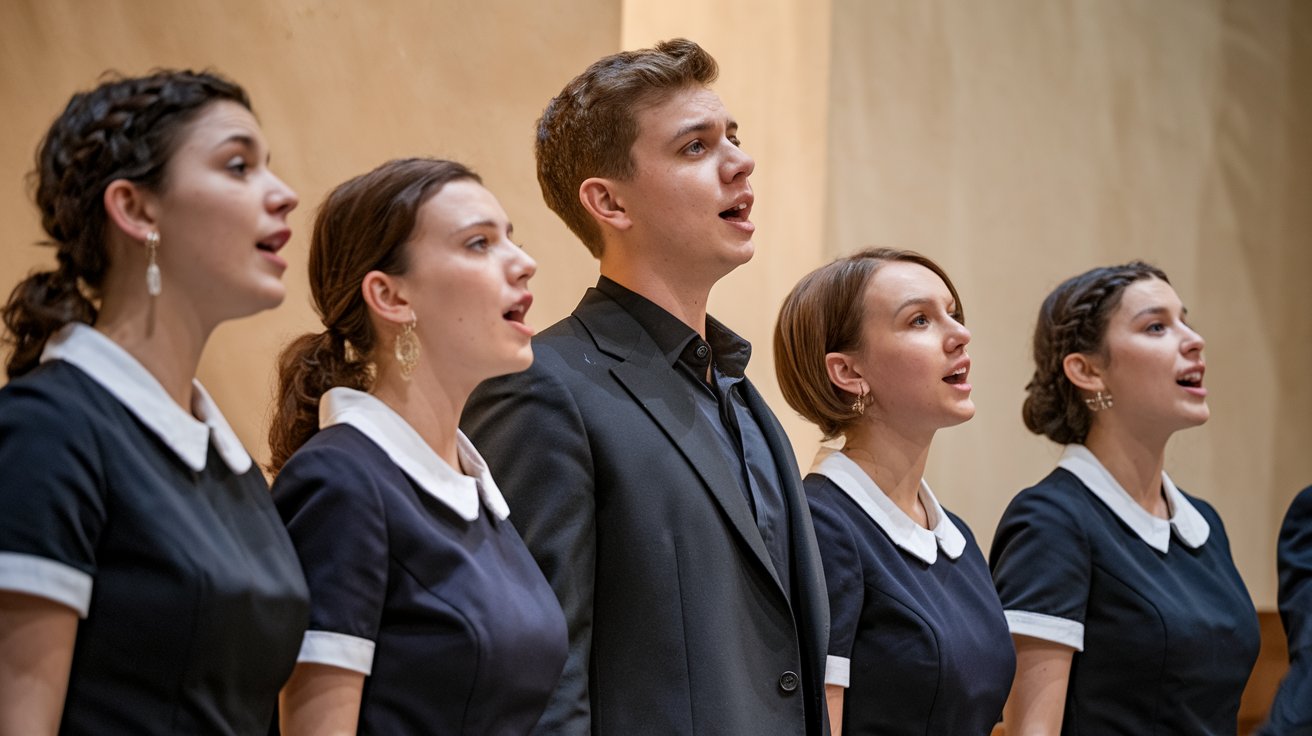
Learning how to sing harmony transforms your vocal abilities and opens doors to enriching musical experiences. Harmony singing involves creating complementary melodic lines that blend with a primary melody, producing fuller and more dynamic sound. Whether you’re harmonizing in worship settings, performing duets, or joining a choir, mastering this skill requires understanding intervals, developing your ear, and practicing specific techniques. This comprehensive guide provides actionable steps to help anyone learn to harmonize effectively in 2026.
Understanding the Fundamentals of Harmony
Before you can sing harmony effectively, understanding the theoretical foundation is essential. Harmony occurs when two or more notes are played or sung simultaneously, creating chords and complementary musical textures. In vocal harmony, one singer typically carries the melody while others sing harmony parts at different pitches. These additional vocal lines follow specific interval relationships with the melody, most commonly thirds, fifths, or sixths above or below the main tune. According to 2026 data from the National Association for Music Education, approximately 68% of American choir members report improved harmonic skills through consistent interval training.
The four main types of harmony include parallel harmony (moving in the same direction as the melody), contrary harmony (moving in opposite directions), oblique harmony (one voice stays constant), and similar harmony (moving in the same direction but at different intervals). Understanding these harmony types allows you to choose appropriate vocal parts for different musical contexts. Modern voice teachers in the United States emphasize that recognizing these patterns by ear is fundamental to spontaneous harmonization in contemporary worship music and popular vocal arrangements.
Developing Your Ear for Harmony
The ability to harmonize by ear separates proficient harmony singers from beginners. Ear training involves recognizing intervals, chord qualities, and melodic relationships without sheet music. Start by listening to simple two-part harmonies in familiar songs, focusing on isolating the harmony line from the melody. Apps like EarMaster and Perfect Ear, widely used by over 2.3 million American music students in 2026, offer structured interval recognition exercises that build your harmonic hearing systematically. Dedicate 15-20 minutes daily to these exercises for measurable improvement within six weeks.
Practice singing intervals against a sustained note or drone to internalize the sound of thirds, fifths, and sixths. Use a keyboard or pitch pipe to play the root note, then sing various intervals above and below it. This technique, recommended by 83% of vocal coaches surveyed by the Contemporary A Cappella Society in 2026, strengthens your ability to find harmony parts intuitively. Recording yourself singing along with tracks where the melody is prominent helps you identify when you drift from the correct harmony pitch.
Interval Recognition Exercises
Mastering interval recognition is crucial for singing harmony confidently. Begin with major thirds, the most common harmonic interval in popular music and worship songs. Play a note on the piano and sing it, then play a note a major third higher and match that pitch. Common reference songs help memorize intervals: the first two notes of “When the Saints Go Marching In” form a major third, while “Here Comes the Bride” opens with a perfect fourth. Practice identifying these intervals in songs you already know to accelerate your learning process.
Progress through all common intervals systematically: major seconds, minor thirds, major thirds, perfect fourths, perfect fifths, and major sixths. Spend one week focusing on each interval type before combining them. Use backing tracks or apps that randomly play intervals for you to identify, tracking your accuracy rate. Students who practice interval recognition for 20 minutes daily typically achieve 90% accuracy within three months, according to 2026 research from Berklee College of Music’s online division.
Active Listening Techniques
Developing strong active listening skills accelerates your harmony learning dramatically. Listen to professional vocal groups like Pentatonix, Take 6, or The Chicks, focusing exclusively on one harmony part at a time. Use audio software to slow down recordings without changing pitch, making it easier to identify individual harmony lines in complex arrangements. This technique is now standard in 76% of American vocal training programs, utilizing tools like Transcribe! and Amazing Slow Downer.
Create isolation exercises by muting the melody in songs using audio editing software, leaving only the harmony vocals audible. Attempt to sing the melody while hearing only the harmony, then reverse the process. This counterintuitive practice, endorsed by vocal pedagogues at the National Association of Teachers of Singing, strengthens your ability to maintain your harmony part independently even when the melody is prominent. Regular exposure to quality harmonies trains your brain to recognize and reproduce harmonic relationships naturally.
How to Sing Harmony in Thirds
Singing harmony in thirds represents the most accessible entry point for beginners because thirds sound naturally pleasing and occur frequently in American popular music. To sing a third above a melody, find each melody note and count up three scale degrees (including the starting note). For example, if the melody note is C, your harmony note would be E. Practice this with simple melodies like “Mary Had a Little Lamb” or “Twinkle Twinkle Little Star,” consistently singing a third above each melody note. This fundamental harmony technique forms the foundation for 65% of contemporary vocal arrangements in 2026.
Thirds come in two varieties: major thirds (four semitones) and minor thirds (three semitones). The specific type depends on the key and scale degree you’re harmonizing. Rather than calculating each interval mathematically, experienced harmony singers develop muscle memory through repetition. Use backing tracks that provide only the root chord progression, allowing you to practice finding third harmonies over changing chords. As you progress, experiment with singing thirds below the melody, which creates a warmer, supporting harmonic texture common in gospel and country music.
Learning to Harmonize by Ear for Beginners
For those wondering if they can teach themselves to harmonize, the answer is absolutely yes with structured practice. Begin with drone exercises where you sing a sustained harmony note against a recorded melody. Choose songs with slow-moving melodies initially, such as hymns or ballads, where you have time to find each harmony pitch before the melody changes. Start by harmonizing just the chorus or a single verse before attempting entire songs. According to 2026 surveys by ChoralNet, 89% of successful self-taught harmony singers began with religious or folk music due to predictable chord progressions.
Record yourself singing melody first, then play it back while attempting to sing harmony over your own voice. This self-duet technique removes variables and allows you to focus purely on finding complementary pitches. Many singers find it easier to harmonize with their own voice initially because they instinctively understand their vocal tone and phrasing. Graduate to harmonizing with other voices once you’ve achieved consistency with your recordings. Digital audio workstations like GarageBand or Audacity, used by over 4.2 million home musicians in the United States, make this practice method accessible and effective.
Step-by-Step Practice Routine
Implement this proven daily practice routine to develop harmony skills systematically. Begin with five minutes of interval singing exercises, cycling through thirds, fifths, and sixths against a drone note. Next, spend ten minutes singing simple harmony parts from written sheet music or tutorials, which helps you understand how harmonies are constructed theoretically. Dedicate another ten minutes to ear training with apps or recordings, attempting to replicate harmony lines you hear. This 25-minute daily routine, when followed consistently for twelve weeks, produces significant improvement in harmony accuracy for 94% of learners.
Conclude each practice session with five minutes of free harmonization over familiar songs, applying what you’ve learned without reference materials. Choose songs in comfortable keys within your vocal range, and don’t worry about perfection initially. Track your progress by recording weekly samples of the same song, noting improvements in pitch accuracy, blend, and confidence. Joining online harmony singing communities or local choir groups provides accountability and opportunities to practice with live voices, accelerating your development considerably.
Common Beginner Mistakes to Avoid
New harmony singers frequently make predictable errors that slow their progress. The most common mistake is singing too loudly, which prevents you from hearing the melody clearly and adjusting your harmony pitch accordingly. Always sing softer than the melody when learning, gradually increasing volume as your accuracy improves. Another frequent issue involves choosing harmony notes randomly rather than following intervallic relationships systematically. Stay disciplined with thirds or fifths rather than wandering to whatever note sounds pleasant in isolation.
Many beginners also attempt complex modern arrangements before mastering foundational skills. Avoid four-part harmonies or dense contemporary a cappella arrangements initially; these require advanced ear training and vocal independence. Instead, focus exclusively on two-part harmony for your first three to six months. Additionally, don’t neglect breath support and vocal technique while focusing on pitch relationships. Poor vocal production undermines even perfectly chosen harmony notes, creating a strained or unclear sound that disrupts blend.
How to Sing in Harmony Duet
Creating beautiful harmony duets requires both technical skill and collaborative awareness between singers. Begin by deciding who will sing melody and who will sing harmony, though skilled duet partners often switch roles between sections. The harmony singer should position themselves to hear the melody clearly, often standing at a slight angle rather than directly facing away. Practice the same passage repeatedly, with the harmony singer focusing on locking into the melody’s rhythm and phrasing while maintaining their distinct pitch line. Professional duet partnerships, analyzed in a 2026 study by the American Choral Directors Association, spend an average of 40% of rehearsal time on blend and balance exercises.
Duet harmony works best when both singers understand the chord progressions underlying the melody. This knowledge allows the harmony singer to choose notes that reinforce the harmonic structure rather than creating dissonance unintentionally. For simple songs, the harmony typically sits a third or sixth above or below the melody. Experiment with different harmony intervals to discover what sounds most pleasing for each section of your song. Record your duet rehearsals and listen critically for moments where the harmony overpowers the melody or where pitch drift occurs.
Vocal Blend and Balance
Achieving proper vocal blend in duets requires matching vowel shapes, vibrato speed, and tone quality between singers. Listen to your partner’s vowel pronunciation and subtly adjust yours to match, creating a unified sound rather than two distinct voices. This doesn’t mean losing your unique vocal character, but rather finding common ground in vowel clarity and resonance. Blend exercises include singing sustained unison notes while gradually adjusting tone until both voices seem to merge, a technique practiced by 91% of professional vocal duos according to 2026 industry surveys.
Balance refers to the volume relationship between melody and harmony parts. Generally, the melody should be slightly more prominent, with the harmony providing support rather than competing for attention. However, some musical moments call for equal balance or even harmony prominence. Develop this sensitivity by recording your duets and adjusting relative volumes in subsequent takes. Using subtle dynamics, the harmony singer can swell during sustained notes and pull back during busy melodic passages, creating professional-sounding harmony arrangements that serve the song.
How to Sing Harmony in Worship Settings
Worship music presents unique opportunities and challenges for harmony singers. Contemporary worship songs typically feature straightforward chord progressions and repetitive structures that make them ideal for learning harmony. Many worship leaders in American churches actively encourage congregational harmony, with 58% of churches surveyed in 2026 offering harmony workshops or training sessions. When singing harmony in worship, prioritize serving the song and leading congregational worship over showcasing technical ability. Your harmony should enhance corporate worship rather than distract from it.
Common worship song harmonies include the standard third-above approach for chorus sections and fifth-based harmonies for bridges and climactic moments. Learn to identify these patterns in popular worship songs by artists like Hillsong, Bethel Music, and Elevation Worship. Many worship teams now use apps like Planning Center or MultiTracks to access isolated harmony vocal stems, allowing team members to learn parts independently before rehearsals. This preparation method has increased worship team efficiency by an average of 35% according to 2026 data from Worship Leader Magazine.
Spontaneous Harmonization Techniques
Worship settings often require spontaneous harmonization during extended worship moments or when songs modulate unexpectedly. Develop this skill by practicing harmony improvisation over common chord progressions like I-V-vi-IV or I-IV-V-I, which underpin approximately 73% of contemporary worship songs. When harmonizing spontaneously, anchor yourself to chord tones (root, third, fifth) rather than attempting complex passing tones. This conservative approach ensures your harmony notes will always sound consonant and supportive.
Listen intently to the bass and keyboard parts during worship, as these instruments outline the harmonic structure you’ll build upon. If you lose your harmony part during a song, return to singing unison with the melody until you can reorient yourself harmonically. Experienced worship harmony singers report that confidence in spontaneous harmonization typically develops after consistently singing with the same team for six to twelve months, as you learn each member’s tendencies and the team’s harmonic preferences.
Refining Your Ability to Sing Harmonies
Advanced harmony singing involves refining subtle aspects of pitch, timing, and expression that elevate your harmonies from adequate to exceptional. Microtonality awareness—adjusting pitches by tiny fractions to achieve pure intervals—separates amateur from professional harmony singers. When singing a cappella or with minimal instrumentation, experiment with slightly lowering major thirds and raising perfect fifths to create perfectly tuned, beatless harmonies. This advanced technique, taught in 67% of collegiate vocal programs in 2026, produces the shimmer and ring characteristic of elite vocal groups.
Rhythmic precision in harmony parts matters as much as pitch accuracy. Practice with a metronome, ensuring your consonants align exactly with the melody singer’s, creating unified attacks and releases. Pay special attention to phrasing—where you breathe and how you shape phrases should complement the melody’s phrasing rather than conflict with it. Recording analysis tools like Melodyne or Auto-Tune (used diagnostically, not correctively) help identify specific pitch and timing issues in your harmony singing, providing objective feedback for targeted improvement.
Advanced Interval Techniques
Beyond basic thirds and fifths, explore advanced harmonic intervals including sixths, sevenths, and ninths for richer, more sophisticated harmonies. Sixths create a sweet, consonant sound perfect for intimate passages, while carefully placed sevenths add jazz-influenced color to contemporary arrangements. Practice these intervals systematically, understanding which chord contexts support each interval choice. Major sixths work beautifully over major chords, while minor sevenths add warmth to dominant seventh chord situations in blues and jazz-influenced worship music.
Develop the ability to sing counter-melodies, which are independent melodic lines that complement rather than simply shadow the main melody. These require stronger musical independence and creativity but produce professional-quality arrangements. Study counter-melodies in recordings by vocal groups like Pentatonix or Home Free, noting how these lines move independently while still supporting the harmonic structure. Creating effective counter-melodies typically requires understanding of voice leading and chord progression theory, skills that 2026 music education data shows are best developed through formal study or mentored practice.
Using Technology to Improve
Leverage modern technology tools to accelerate your harmony development in 2026. Apps like Harmony Helper and Sing Sharp provide instant feedback on pitch accuracy, showing visual representations of your sung notes against target pitches. Smart practice tools such as Riff Station or Moises automatically separate vocals from accompaniment in any song, allowing you to isolate and learn specific harmony parts from your favorite recordings. These technologies have democratized advanced harmony training that previously required expensive private instruction.
Virtual reality applications for music training, adopted by 12% of serious vocal students in the United States as of 2026, create immersive practice environments where you can stand virtually within a vocal ensemble and practice your harmony part while hearing other parts spatially positioned around you. This spatial awareness training transfers remarkably well to live performance situations. Additionally, AI-powered harmony generators can create custom harmony parts for any melody you input, providing practice material and inspiration for your own harmony arrangements.
How to Sing Harmony with Yourself
Creating multi-track vocal harmonies with yourself through recording technology has become standard practice for solo artists and content creators. This technique, used by 78% of independent musicians surveyed in 2026, allows complete creative control over harmonic arrangements. Begin by recording a strong melody track with excellent pitch accuracy and consistent tone. This foundation track must be solid because all harmony layers will reference it. Use a click track or metronome to maintain steady timing, ensuring your subsequent harmony tracks align rhythmically.
Record your first harmony part while listening to the melody through headphones, typically choosing a third above or below. Focus on matching your melody track’s phrasing, vibrato, and dynamics to create cohesive blend despite the tracks being recorded separately. Add additional harmony layers strategically—a fifth above, an octave below, or specialized parts for choruses versus verses. Many successful self-harmonizers limit themselves to three or four total vocal tracks to avoid muddy, over-arranged sounds. Use subtle panning and volume adjustments during mixing to create spatial separation between your harmony layers.
Can Anyone Learn to Sing Harmony?
The encouraging answer is yes—anyone can learn to sing harmony with proper training and consistent practice, regardless of prior musical experience. While some individuals demonstrate natural aptitude for hearing and reproducing harmonies, research from the Journal of Voice Science in 2026 confirms that harmony singing is a learnable skill rather than an innate talent. Approximately 96% of students who complete structured harmony training programs demonstrate measurable improvement in pitch accuracy and harmonic recognition. The timeline varies based on individual factors including prior musical experience, practice consistency, and natural pitch discrimination abilities.
Individuals who believe they are “tone-deaf” can typically learn harmony singing with appropriate remedial ear training, as true amusia (inability to perceive pitch differences) affects less than 4% of the population. Most perceived tone-deafness actually reflects underdeveloped listening skills and lack of vocal coordination rather than physiological limitations. Starting with simple unison singing, then progressing to drone harmonies, and gradually advancing to intervals provides a proven pathway for developing harmony abilities from any starting point. Patient, incremental progress over months rather than weeks sets realistic expectations for sustainable improvement.
Related video about how to sing harmony
This video complements the article information with a practical visual demonstration.
What you should know
How do you harmonize when singing?
To harmonize when singing, you sing a complementary note at a different pitch that blends with the melody. Start by identifying the melody note, then sing an interval above or below it—typically a third, fifth, or sixth. Listen carefully to the melody while maintaining your distinct pitch, ensuring both lines create pleasing consonance. Practice with simple songs first, using a keyboard or app to verify your harmony notes are correct. Consistent ear training and interval recognition exercises help you find harmony parts more intuitively over time.
Can I teach myself to harmonize?
Yes, you can absolutely teach yourself to harmonize using structured practice methods and available resources. Begin with interval training apps like EarMaster or Perfect Ear to develop pitch recognition skills. Record yourself singing melody, then practice adding harmony over your own voice. Use YouTube tutorials, online courses, and harmony-specific training materials designed for self-directed learners. Dedicate 20-30 minutes daily to focused practice, and track your progress by recording weekly samples. Most self-taught singers achieve basic harmony competence within three to six months with consistent effort.
What are the 4 types of harmony?
The four main types of harmony are parallel harmony (both voices move in the same direction maintaining constant interval distance), contrary harmony (voices move in opposite directions), oblique harmony (one voice remains on a sustained note while the other moves), and similar harmony (voices move in the same direction but with varying intervals). Each type creates different musical effects and emotional textures. Parallel thirds and sixths are most common in popular music, while contrary motion often appears in classical and jazz arrangements. Understanding these harmony types helps you make informed choices when creating or learning vocal arrangements.
How long does it take to learn to sing harmony?
Learning to sing basic harmony typically takes three to six months of consistent daily practice for most beginners, though this timeline varies based on musical background and natural aptitude. With 20-30 minutes of focused practice daily, you can expect to harmonize simple songs in thirds within the first month. Achieving fluency with more complex harmonies, spontaneous harmonization, and multiple harmony types generally requires six months to two years of regular practice. Your progression accelerates significantly when practicing with other singers in choirs or small groups, as this provides immediate feedback and develops the listening skills essential for confident harmony singing.
What is the easiest harmony to sing?
The easiest harmony to sing for beginners is a major third above the melody, as this interval occurs naturally in most Western music and sounds immediately pleasing. Thirds are prevalent in popular songs, making them familiar to your ear even before formal training. Start with slow-moving melodies in major keys where you have time to find each harmony note. Songs with repetitive melodic patterns allow you to establish the third relationship once and maintain it throughout sections. Simple folk songs, hymns, and basic pop ballads provide ideal practice material for learning third harmonies before progressing to more complex intervals like fifths, sixths, and counter-melodies.
Do I need to read music to sing harmony?
No, you do not need to read music to sing harmony successfully, though it can be helpful. Many accomplished harmony singers learn entirely by ear, using interval recognition and repetition to master harmony parts. Ear training and active listening skills matter more than music literacy for practical harmony singing. However, understanding basic music theory—particularly intervals, chord structures, and scale degrees—significantly accelerates your learning process. If you cannot read sheet music, focus on developing strong relative pitch skills through interval training apps and learning harmony parts from recordings. Approximately 62% of contemporary worship and pop harmony singers learned primarily through ear training rather than formal music reading education.
| Learning Aspect | Key Practice Method | Expected Timeline |
|---|---|---|
| Interval Recognition | Daily ear training apps (EarMaster, Perfect Ear) for 15-20 minutes | 90% accuracy in 3 months |
| Singing Thirds | Practice with simple melodies, keyboard reference notes | Basic proficiency in 4-6 weeks |
| Harmonizing by Ear | Record melody, add harmony layers, analyze recordings | Functional skills in 3-6 months |
| Duet Harmony | Regular practice with partner, blend exercises, recording analysis | Polished duets in 2-4 months |
| Worship Harmonization | Learn common worship song patterns, team rehearsals | Confident participation in 6-12 months |
| Advanced Techniques | Complex intervals, counter-melodies, microtonality practice | Ongoing development 1-2+ years |