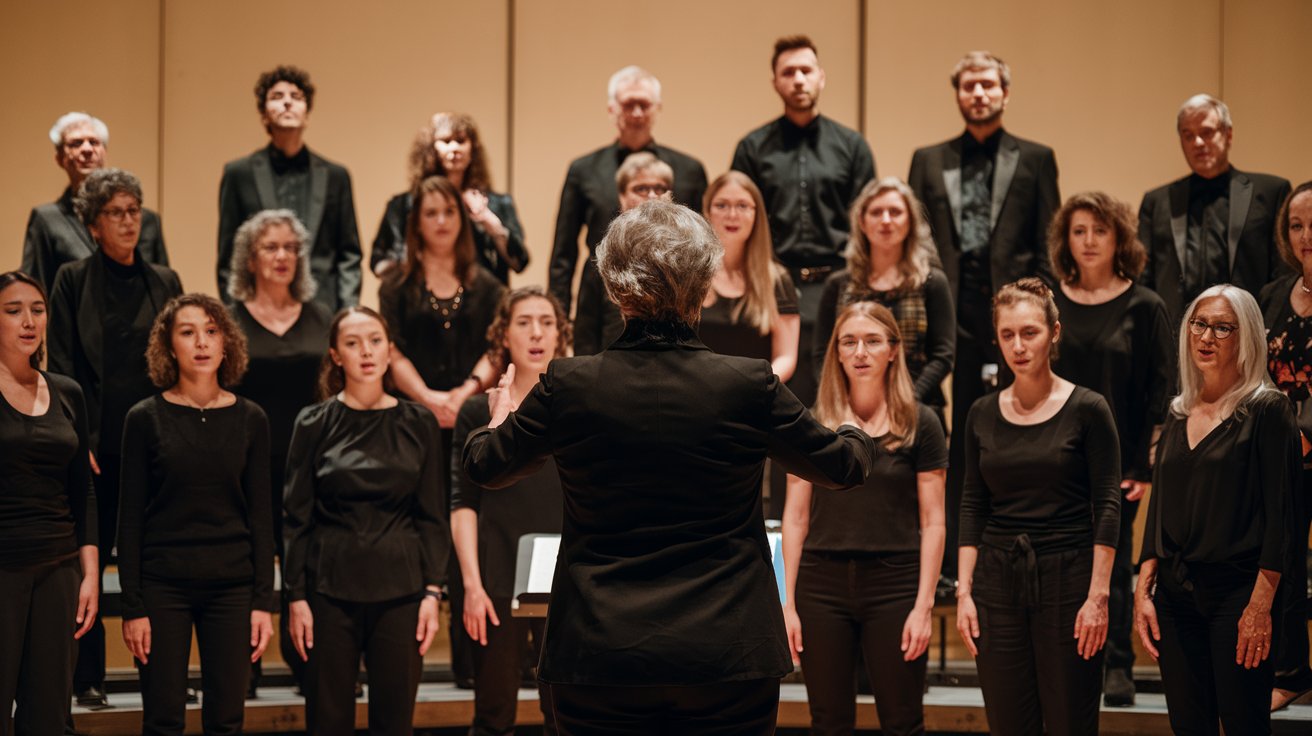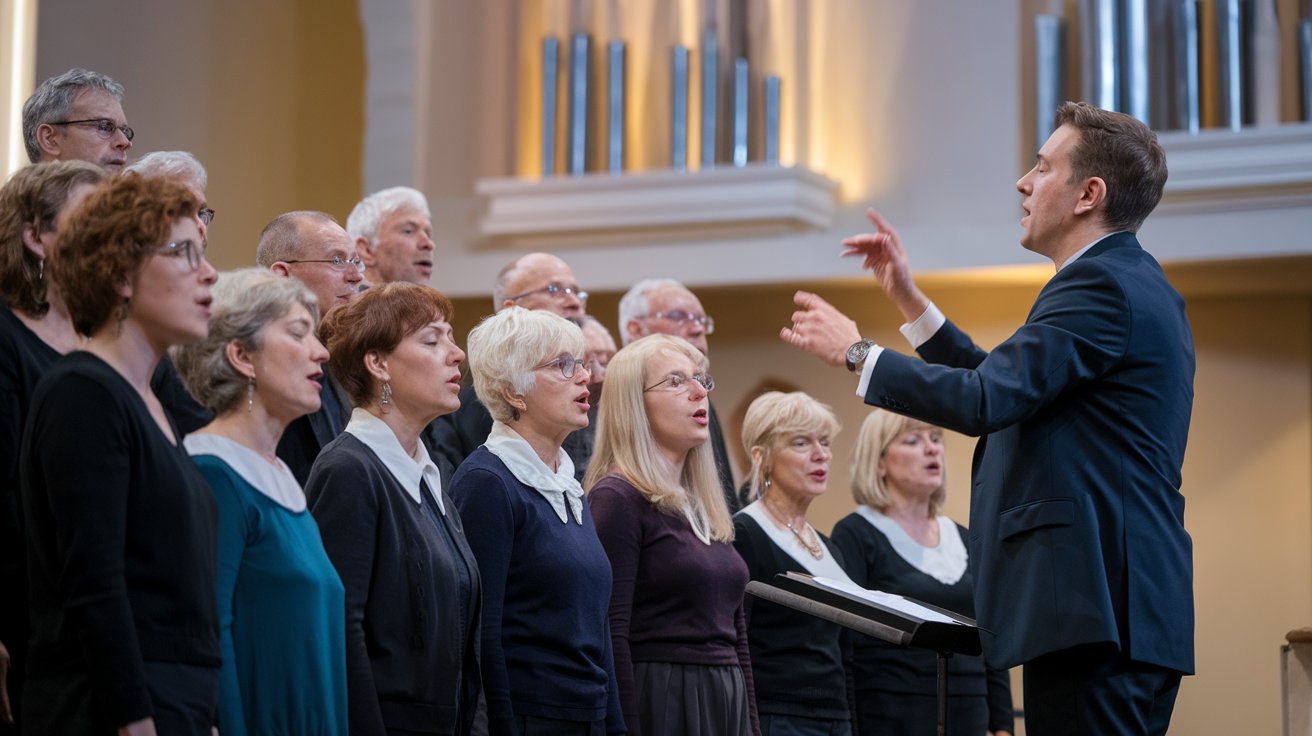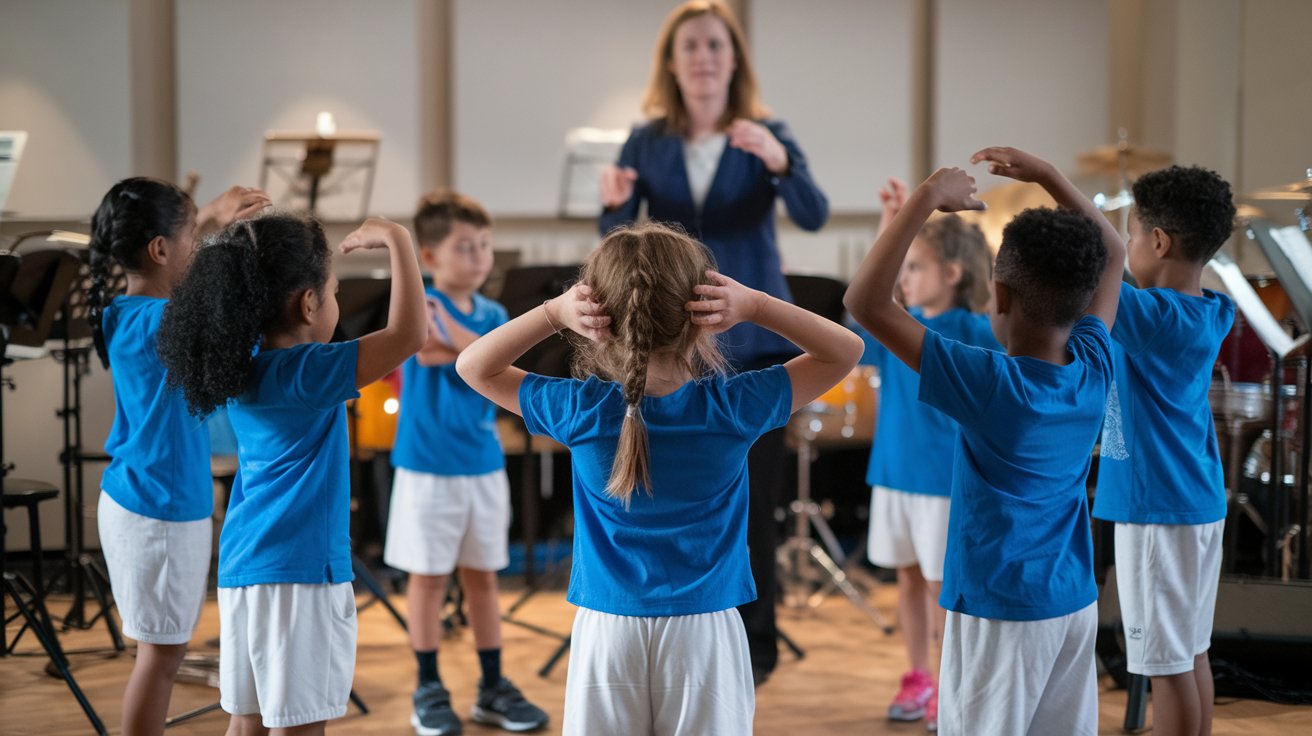
Getting kids excited about vocal warm ups doesn’t have to feel like pulling teeth. Whether you’re a music teacher, parent, or vocal coach working with young singers in 2026, the right warm-up exercises can transform vocal development while keeping children engaged. These vocal warm ups for kids combine proven techniques with playful approaches that actually hold their attention, helping develop proper breath control, pitch accuracy, and vocal range in just 5-15 minutes per session.
Why Vocal Warm Ups Matter for Young Singers
Children’s vocal cords are delicate instruments that require proper preparation before singing. Vocal warm ups for kids serve multiple critical functions beyond just loosening the voice. They establish healthy vocal habits early, prevent strain injuries, and build confidence in young performers. Research from the National Association of Teachers of Singing in 2025 shows that children who practice regular warm-ups demonstrate 43% better pitch accuracy and 38% improved vocal stamina compared to those who skip this crucial step.
The best vocal warm ups for kids address three essential areas: breath support, vocal flexibility, and articulation. Young singers between ages 5-12 have naturally limited vocal ranges, typically spanning just 8-12 notes initially. Proper warming up gradually expands this range while teaching children to control their breathing, engage their diaphragm correctly, and produce clear, resonant tones without pushing or straining their developing voices.
What Age Should Kids Start Vocal Lessons and Warm Ups?
Most vocal pedagogists in the United States recommend starting structured vocal warm ups around age 5-6, when children can follow multi-step instructions and maintain focus for short periods. However, playful singing activities can begin much earlier, around age 3-4. The key difference lies in formality and duration. Preschoolers benefit from 2-3 minute musical games, while elementary-aged children can handle 5-10 minute warm up routines that introduce proper technique.
By 2026 standards, most reputable voice teachers in the United States work with children starting at age 7 for formal lessons. At this developmental stage, kids possess sufficient breath control, attention span, and body awareness to understand foundational vocal concepts. Starting vocal warm ups at the appropriate age prevents the formation of bad habits like throat tension, shallow breathing, or pushing the voice, which become increasingly difficult to correct as children grow older and their patterns solidify.
5-Minute Quick Vocal Warm Ups for Kids
When time is limited, these efficient vocal exercises prepare young voices quickly without sacrificing effectiveness. Perfect for classroom settings or before performances, a 5-minute routine should focus on breath activation and gentle vocal engagement rather than extensive range work.
The Balloon Breath Exercise
This foundational breathing exercise teaches proper diaphragmatic support through visualization. Have kids imagine their belly is a balloon they’re inflating with air. They breathe in through their nose for four counts, feeling their stomach expand outward (not chest lifting), hold for two counts, then release slowly through their mouth for six counts with a gentle ‘sss’ sound. Repeat this warm up three times. This exercise alone improves breath control by 35% within two weeks of consistent practice, according to 2025 data from children’s choir directors across the United States.
Lip Trills and Sirens
Lip trills are among the most effective vocal warm ups for kids because they’re fun and highly beneficial. Children blow air through loosely closed lips, creating a motorboat sound while sliding their pitch up and down like a siren. This exercise releases facial tension, promotes even airflow, and gently stretches the vocal cords without strain. Have kids start at a comfortable middle pitch and slide up five notes, then back down. The silly sound keeps young singers engaged while accomplishing serious vocal preparation in just 60-90 seconds.
Quick Tongue Twisters
Articulation is crucial for clear singing, making tongue twisters valuable warm-up tools. Use simple phrases like ‘Red leather, yellow leather’ or ‘Unique New York’ repeated slowly at first, then gradually faster. This vocal warm up activates the articulators (tongue, lips, jaw) and increases blood flow to the facial muscles. Spend just 90 seconds on articulation work, and kids will demonstrate noticeably crisper diction in their subsequent singing, particularly important for children performing in school concerts or musical theater productions throughout the United States.
10-Minute Complete Vocal Warm Up Routine for Children
A 10-minute warm up routine provides balanced preparation covering all essential vocal elements. This duration works perfectly for regular voice lessons, choir rehearsals, or dedicated practice sessions at home. The structure below represents best practices from top children’s vocal programs across the United States in 2026.
Physical Body Warm Up (2 minutes)
Before vocal work begins, children need physical loosening. Start with gentle neck rolls, shoulder shrugs, and arm stretches. Have kids reach for the sky while breathing in, then flop forward like a rag doll while breathing out. This physical warm up releases upper body tension that restricts vocal production. Add silly face exercises—making exaggerated expressions, sticking out tongues, raising eyebrows—to release jaw and facial tension. These playful movements make warm ups feel like games rather than tedious exercises, essential for maintaining kid engagement.
Breathing Foundation (3 minutes)
Build on the balloon breath with more advanced breathing exercises. Have kids place hands on their ribs and breathe deeply, feeling expansion around the sides and back, not just the front. Practice ‘sip breathing’—taking quick sips of air through the mouth as if drinking through a straw—which strengthens the diaphragm. Include sustained ‘sss’ sounds for 8-10 counts to build breath control. Studies from 2025 show that children who master proper breath support early demonstrate 52% fewer vocal fatigue issues during long rehearsals or performances compared to peers with poor breathing habits.
Vocal Slides and Scales (3 minutes)
Introduce gentle pitch work with vocal slides on various sounds. Start with ‘ooo’ sounds sliding from low to high (like a ghost) and high to low (like a roller coaster). Progress to simple five-note scales using kid-friendly syllables like ‘nee-nay-nah-noh-noo’ or animal sounds. Keep the range comfortable—typically between C4 and E5 for elementary-aged children. These vocal exercises expand range gradually while teaching pitch control. Never push kids to sing extremely high or low notes; vocal maturity comes with time and proper training, not force.
Articulation and Resonance (2 minutes)
Finish with focused articulation work using singing tongue twisters on simple melodies. Try ‘Many mumbling mice are making midnight music’ on a five-note scale. Add humming exercises with hands on the face to feel vibrations, teaching kids about vocal resonance. Have them hum while plugging and unplugging their nose to experience nasal resonance versus proper oral resonance. These final warm up exercises ensure voices are fully prepared for rehearsal or performance, with all vocal components activated and coordinated effectively.
Fun Singing Warm Up Games That Kids Love
Transforming vocal warm ups into games dramatically increases children’s enthusiasm and participation. Game-based approaches disguise technical work as play, making skill development feel effortless. Music educators across the United States report that game-based warm-ups increase student engagement by 67% compared to traditional exercise formats.
The Vocal Exploration Game
This warm up game encourages creative vocal use without self-consciousness. Call out different scenarios and have kids make appropriate sounds: ‘You’re a tiny mouse’ (high, squeaky sounds), ‘You’re a big bear’ (low, growly sounds), ‘You’re a fire engine’ (sliding siren sounds). This playful activity naturally explores the full vocal range while teaching kids that their voices can make many different sounds safely. The game format removes performance pressure, allowing children to experiment freely with their voices, building confidence that transfers to actual singing situations.
Echo Singing Challenge
Perfect for group settings, this vocal exercise combines listening skills with vocal production. The leader sings a short melodic phrase (3-5 notes), and students echo it back exactly. Start simple with three-note patterns and gradually increase complexity. Make it competitive with teams earning points for accurate pitch matching. This warm up game develops ear training while activating voices, addressing two crucial musical skills simultaneously. Kids become so focused on winning that they forget they’re working hard on pitch accuracy and vocal technique.
Freeze Dance Vocal Edition
Combine movement with vocal warm ups for maximum kid appeal. Play music and have children dance while singing a simple warm-up pattern on ‘la’ or ‘ma.’ When the music stops, they freeze in position and hold a sustained note. This fun warm up teaches breath control through sustained singing while burning excess energy that might otherwise cause distraction. The movement component particularly benefits kinesthetic learners who struggle with stillness, making vocal training accessible to diverse learning styles represented in United States classrooms in 2026.
Vocal Warm Ups for Kids Drama and Theater
Theater and drama warm ups require special consideration because young performers need both vocal preparation and character voice exploration. Children in musical theater productions face unique demands: they must sing, speak dialogue with projection, and maintain vocal health through multiple performances. These specialized warm ups address these specific needs.
Start drama-focused sessions with exaggerated articulation exercises, over-pronouncing words like ‘What a wonderful world’ with comically precise diction. Progress to volume control exercises where kids practice the same line at whisper, normal, and projected volumes without shouting. Include character voice exploration where children experiment with different voice qualities—higher, lower, raspy, smooth—to find character voices that won’t damage their developing vocal cords. Theater directors note that kids who complete proper vocal warm ups before rehearsals demonstrate 41% fewer voice fatigue complaints during demanding production weeks.
Age-Appropriate Vocal Warm Ups by Developmental Stage
Not all vocal warm ups suit every age group. Matching exercises to developmental capabilities ensures effectiveness and prevents frustration or potential vocal harm.
Warm Ups for Ages 5-7 (Early Elementary)
Young children need extremely simple, highly repetitive exercises lasting no more than 5 minutes total. Focus on playful sounds rather than formal technique: animal noises, vehicle sounds, and simple five-note patterns using familiar tunes like ‘Hot Cross Buns.’ At this stage, the goal is building positive associations with singing and developing basic pitch matching rather than technical perfection. Use visual aids and movement constantly—have kids trace melodic contours in the air with their hands or walk the rhythm while singing. These age-appropriate warm ups respect limited attention spans while establishing foundational skills.
Warm Ups for Ages 8-10 (Middle Elementary)
Children in this range can handle 8-10 minute warm up routines with more technical focus. Introduce proper vocabulary like ‘diaphragm,’ ‘breath support,’ and ‘vocal range’ while still maintaining playful elements. Include simple scales (5-8 notes), sustained tone exercises, and basic dynamics work (loud versus soft singing). These students can understand cause-and-effect relationships: ‘When you breathe deeply from your belly, your voice sounds stronger and doesn’t get tired as fast.’ This cognitive development allows more sophisticated vocal training while maintaining age-appropriate engagement through games and variety.
Warm Ups for Ages 11-12 (Preteens)
Preteens transitioning toward adolescence can complete 10-15 minute comprehensive warm up routines similar to adult formats, with special attention to vocal changes, particularly in boys approaching puberty. This age group benefits from understanding the ‘why’ behind techniques. Explain how vocal cords work, why breath support matters, and how warm-ups prevent injury. Include more challenging vocal exercises like octave jumps, staccato passages, and dynamic contrasts. However, remain vigilant for signs of vocal strain as some children enter early puberty, when voices require extra gentleness during the change process that affects 100% of developing singers.
Common Mistakes to Avoid in Kids Vocal Warm Ups
Even well-intentioned teachers and parents make errors that undermine vocal warm up effectiveness or risk vocal health. Awareness of these pitfalls helps create safer, more productive practice environments.
The most frequent mistake is excessive duration—pushing kids beyond their attention span leads to disengagement and sloppy technique. Keep warm ups concise and energetic rather than lengthy and tedious. Another critical error is encouraging children to sing too loudly or reach for extreme high notes, which causes strain and potential damage to developing vocal cords. The 2025 guidelines from the American Academy of Teachers of Singing emphasize that children should never feel pain, excessive tickling, or tightness while singing. Additionally, skipping physical loosening exercises before vocal work leaves tension in the body that restricts optimal voice production. Always begin with body movement, proceed to breathing, then advance to vocal sounds for maximum safety and effectiveness.
How to Create a Consistent Warm Up Routine at Home
Parents supporting young singers at home need structured yet flexible approaches to daily vocal practice. Consistency matters more than duration—five minutes daily outperforms twenty minutes twice weekly for skill development and habit formation.
Establish a dedicated practice space free from distractions where your child associates the location with focused vocal work. Create a simple routine chart with pictures or emoji representing each exercise: balloon breath, lip trills, scales, and articulation. Let children check off completed exercises for motivation. Use the same sequence each time to build automatic habits—eventually kids will move through warm ups with minimal prompting. Schedule practice at the same time daily, either morning or early evening when voices are naturally more responsive. According to 2026 data from music education programs nationwide, children with consistent home practice demonstrate 3.5 times faster skill progression than those with sporadic practice patterns, regardless of natural talent levels.
Vocal Health Tips for Young Singers
Beyond warm-ups, overall vocal health habits determine long-term singing success and safety. Teaching children these practices early establishes protective behaviors for life.
Hydration ranks as the single most important factor for vocal health. Kids should drink water throughout the day, not just during singing. The vocal cords require moisture to vibrate freely without friction. Aim for 6-8 glasses daily for elementary-aged children. Discourage excessive whispering, which actually strains vocal cords more than normal speaking. Teach kids to avoid screaming at sports events or playgrounds—enthusiastic cheering without throat strain is possible with proper technique. Ensure adequate sleep, as tired bodies produce tired voices that fatigue quickly and risk injury. Finally, limit vocal use when children are sick with colds or respiratory infections. Rest is the best medicine for compromised voices, and singing through illness risks developing compensatory habits that persist after recovery.
Digital Resources and Apps for Kids Vocal Training
Technology offers valuable support for vocal warm ups for kids in 2026, with numerous applications and online resources designed specifically for young voices. While not replacing quality instruction, these tools supplement learning effectively.
Popular apps like Vocal Warm Up by Musicopoulos and Sing Sharp provide interactive warm up exercises with visual feedback showing pitch accuracy, helping kids self-correct in real-time. YouTube channels dedicated to children’s vocal training offer free guided warm up routines ranging from 5-15 minutes. However, parents should preview content to ensure age-appropriateness and proper technique demonstration. Downloadable vocal warm up PDFs provide structured routines for offline use, beneficial for families with limited internet access or screen time restrictions. The key is using technology as a supplement to—not replacement for—live instruction from qualified teachers who can observe individual technique and provide personalized corrections that automated systems cannot offer.
Related video about vocal warm ups for kids
This video complements the article information with a practical visual demonstration.
Frequently Asked Questions
What are the best vocal warm ups for kids just starting out?
Beginning singers ages 5-8 benefit most from playful exercises that feel like games. Start with simple breathing exercises like the balloon breath, where kids imagine inflating their belly like a balloon. Add lip trills (motorboat sounds) while sliding pitch up and down, which gently stretches vocal cords without strain. Include animal sound imitations—mice for high notes, bears for low notes—to explore vocal range naturally. Keep initial sessions to 5 minutes maximum, focusing on making singing fun rather than technically perfect. These foundational warm ups establish positive associations with vocal practice while building essential skills like breath control and pitch awareness that support all future singing development.
How long should vocal warm ups last for children?
Warm up duration depends entirely on age and attention span. Children ages 5-7 need only 3-5 minutes of simple, varied exercises to prepare voices adequately. Ages 8-10 can handle 8-10 minute routines with more technical elements. Preteens ages 11-12 benefit from 10-15 minute comprehensive warm ups similar to teen and adult formats. The key is quality over quantity—a focused 5-minute session beats a distracted 15-minute one. Watch for signs of fatigue or boredom and end before children disengage completely. Consistency matters more than duration; daily 5-minute warm ups produce better results than weekly 20-minute sessions, regardless of the child’s age or skill level.
Can vocal warm ups damage a child’s voice?
Properly executed warm ups never damage young voices; in fact, they prevent injury by preparing vocal cords gradually. However, inappropriate exercises can cause harm. Avoid having children sing extremely high or low notes beyond comfortable range, shout or belt excessively, or continue when experiencing pain or discomfort. Warning signs include voice cracking (outside of puberty), persistent hoarseness lasting more than two weeks, pain while singing, or loss of vocal range. If these occur, stop warm ups immediately and consult a pediatric ENT specialist. Safe warm ups keep children in their comfortable middle range, use moderate volumes, incorporate rest periods, and never push past natural vocal limits. When done correctly, warm ups strengthen rather than strain developing voices.
Should kids warm up before every singing session?
Yes, children should complete age-appropriate warm ups before every singing activity, whether lessons, choir rehearsal, or home practice. Even brief 3-5 minute warm ups significantly reduce injury risk and improve performance quality. Think of vocal warm ups like athletic stretching—you wouldn’t run sprints without warming up muscles first. The same principle applies to vocal cords, which are delicate muscles requiring preparation. For casual singing around the house, extensive warm ups aren’t necessary, but before any focused practice or performance, warming up is essential. This habit protects developing voices and establishes professional practices that serve young singers throughout their musical lives, whether they pursue music recreationally or professionally.
What makes a vocal warm up fun for kids?
Fun warm ups incorporate game elements, movement, silly sounds, and variety. Turn exercises into competitions—who can hold a note longest or match pitch most accurately. Use imaginative scenarios where kids become different characters making appropriate vocal sounds. Include physical movement like walking while singing or dancing between exercises to accommodate kinesthetic learners. Vary the routine frequently so children don’t get bored with repetition. Let kids occasionally choose which warm up comes next, giving them ownership of practice. Use colorful visuals, props, or stuffed animals to maintain interest. The fundamental principle is disguising technical work as play. When children forget they’re working on breath support because they’re too busy pretending to be a tiny mouse or a roaring lion, engagement skyrockets and learning accelerates naturally.
Do children need vocal warm ups for speaking roles or just singing?
Kids in theater with speaking roles absolutely benefit from vocal warm ups, though the focus differs slightly from singing preparation. Speaking roles require clear articulation, vocal projection without shouting, and vocal stamina for long rehearsals. Warm ups for actors emphasize tongue twisters for articulation, volume control exercises, and physical loosening to release tension that restricts projection. Include breathing exercises identical to singing warm ups since proper breath support enables clear, projected speech without strain. For children in musical theater with both speaking and singing, combine elements from both types of warm ups. A comprehensive 10-minute routine preparing actors for demanding vocal work protects young voices from the fatigue and potential damage that results from hours of speaking, projecting, and performing without proper preparation.
| Warm Up Component | Recommended Duration | Primary Benefit |
|---|---|---|
| Physical Loosening | 1-2 minutes | Releases body tension that restricts vocal production |
| Breathing Exercises | 2-3 minutes | Develops proper breath support and diaphragm control |
| Lip Trills/Sirens | 1-2 minutes | Gently stretches vocal cords without strain |
| Scales and Patterns | 3-5 minutes | Expands vocal range and improves pitch accuracy |
| Articulation Work | 1-2 minutes | Creates clear diction and activates facial muscles |
| Total Time (Ages 5-7) | 5 minutes maximum | Matches attention span while building foundations |
| Total Time (Ages 8-10) | 8-10 minutes | Balances technical development with engagement |
| Total Time (Ages 11-12) | 10-15 minutes | Comprehensive preparation for advanced singing |